

Many pasta lovers enjoy the firm bite of “al dente” noodles. But when it comes to Gigli pasta—those charming, flower-shaped curls—many wonder if it’s possible to cook them al dente, or if their unique shape demands a softer finish. If you’ve ever tasted Gigli and found it mushy or overcooked, you’re not alone. Getting the right texture is a challenge, but not impossible. This article explains everything you need to know about cooking Gigli pasta al dente, from the science behind its texture to practical cooking tips, comparisons, and common mistakes. Whether you’re a home cook or just curious about pasta perfection, you’ll find answers and confidence to achieve the ideal bite.
What Is Gigli Pasta?
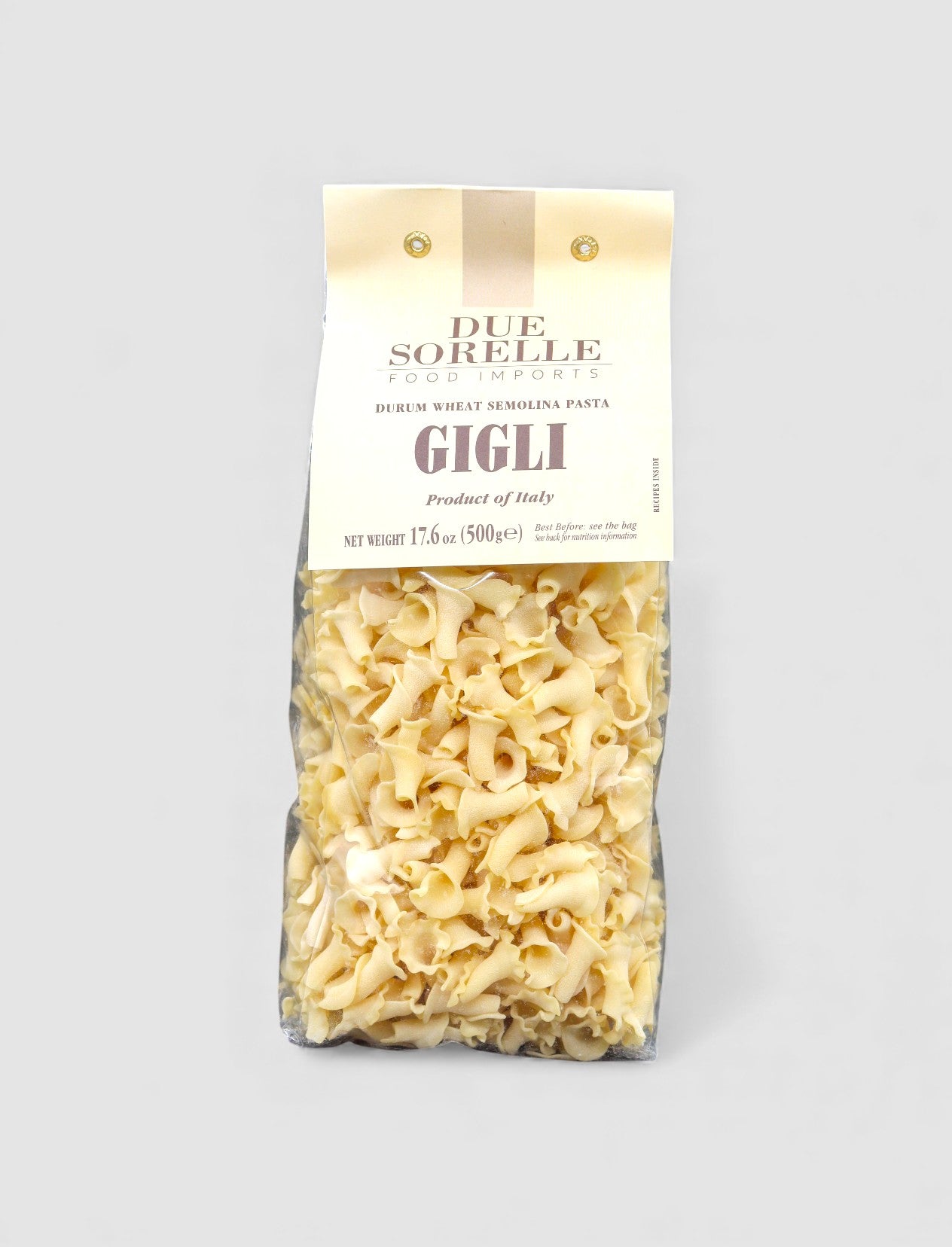
Gigli pasta—also called “campanelle” (Italian for “little bells”)—is a type of short pasta with a fluted, ruffled edge and a hollow center. It looks like a small flower or bell, making it visually appealing and great for holding sauce. Gigli is often used in hearty dishes because its shape traps chunks of vegetables, meat, or thick sauces.
Gigli is made from semolina flour, like most traditional Italian pasta. Its shape is not just for show—it affects how it cooks and how it interacts with sauce. Gigli is popular in Tuscany and other parts of Italy, and you’ll find it in recipes ranging from creamy Alfredo to chunky tomato sauces.
The Meaning Of “al Dente”
The term al dente means “to the tooth” in Italian. Pasta cooked al dente is firm to bite, not hard or raw, but definitely not soft or mushy. Italians prefer this texture because:
- It feels pleasant in the mouth.
- It digests more slowly, keeping you fuller.
- It holds up better in sauce and doesn’t fall apart.
Most pasta types can be cooked al dente, but the cooking time and technique depend on the shape, thickness, and flour used.
Can Gigli Pasta Be Cooked Al Dente?
The Science Behind Gigli’s Texture
The answer is yes—Gigli pasta can be cooked al dente. However, its unique shape makes it trickier than straight or flat pasta. Gigli’s thick base and thin ruffled edges cook at different speeds. The base may stay firm while the edges soften faster. This uneven cooking means it’s easy to overcook the edges while the center is still firm.
Gigli is usually made from semolina, which is good for achieving al dente texture because it holds structure when boiled. However, some brands use blends or softer wheat, which can affect firmness.
Comparing Cooking Times
Here’s a quick comparison of average cooking times for popular pasta shapes (al dente):
| Pasta Shape | Al Dente Cooking Time (minutes) | Texture Complexity |
|---|---|---|
| Spaghetti | 8–10 | Even |
| Penne | 10–12 | Moderate |
| Gigli | 7–9 | High (varied thickness) |
| Farfalle | 9–11 | High (thick center, thin edges) |
As shown, Gigli cooks slightly faster than farfalle and penne, but its ruffled edges require attention.
Step-by-step: Cooking Gigli Pasta Al Dente
1. Use Plenty Of Water
Gigli needs room to move. Use at least 4 quarts (16 cups) of water for every pound of pasta. This prevents sticking and lets the pasta cook evenly.
2. Salt The Water Generously
Add 1–2 tablespoons of salt per gallon. Salt enhances flavor and slightly strengthens the pasta surface, helping it stay firm.
3. Bring Water To A Rolling Boil
Don’t add pasta until the water is fully boiling. This ensures the pasta starts cooking immediately.
4. Stir Frequently
Gigli’s shape can trap air, causing some pieces to float. Stir at least every 1–2 minutes for the first half of cooking.
5. Check Early And Often
Most packages suggest 8–10 minutes for Gigli. For al dente, start testing at 7 minutes. Take out a piece, bite the thick base, then the edge. The base should be firm, not crunchy; the edge should be soft but not mushy.
6. Drain And Finish
As soon as Gigli is al dente, drain it. Do not let it sit in hot water. If using it in a hot sauce, add it immediately; residual heat will finish the cooking.
7. Avoid Overcooking
If you wait for all edges to be fully soft, the base will be overdone. Accept a slight softness at the edge as long as the base is firm.
Practical Tips
- Use a timer, but trust your senses more.
- For big batches, remove Gigli with a slotted spoon to reduce carryover cooking.
- If you’re making baked pasta, undercook Gigli by 2 minutes to keep it al dente after baking.
Why Gigli Pasta Is Tricky To Cook Al Dente
Shape And Thickness
Gigli’s ruffled edges are thinner than the base. The hollow center allows water inside, speeding up cooking for the edges. This unevenness can lead to:
- Edges overcooked
- Base undercooked
- Some pieces sticking together
Sauce Compatibility
Thick sauces can mask overcooking, but with light sauces or salads, texture is more obvious. Al dente Gigli gives contrast and holds up better in the dish.
Comparing Gigli With Other Shaped Pastas
Here’s a side-by-side look at how Gigli stacks up against similar pasta shapes for al dente texture:
| Pasta | Shape Features | Al Dente Challenge |
|---|---|---|
| Gigli | Ruffled edges, hollow center | Edges cook faster than base |
| Farfalle | Bow-tie, thick center, thin wings | Wings overcook before center |
| Conchiglie | Shell shape, thick rim | Inside cooks faster than rim |
| Rotini | Twisted, uniform thickness | Easy to get al dente |
Gigli’s challenge is similar to farfalle and conchiglie. Uniform shapes like rotini are easier.
Common Mistakes When Cooking Gigli Pasta
- Not enough water: Gigli needs space to move. Crowded pots lead to uneven cooking.
- Not stirring: Pieces stick together, especially in the first few minutes.
- Relying only on package directions: These are guidelines. Check texture yourself.
- Overcooking for baked dishes: Always undercook for casseroles.
- Leaving pasta in hot water after draining: Residual heat continues cooking.
- Using low-quality pasta: Cheaper brands may soften too quickly due to lower semolina content.

How To Tell If Gigli Is Al Dente
Al dente Gigli feels firm at the base but not hard. The ruffled edge should be soft, but still have a slight resistance. If you cut it open, you may see a tiny, lighter spot in the center of the base. This is a classic sign of al dente.
Another tip: When you bite, the pasta should “snap” slightly, not squish. If you’re using Gigli in cold salads, cook it one minute less than usual to keep the texture after chilling.
Gigli Pasta In Different Recipes
Gigli is versatile:
- In creamy sauces, al dente Gigli holds up and doesn’t collapse.
- With chunky tomato sauce, the hollow center traps flavor.
- For pasta salads, al dente Gigli stays firm, even after refrigeration.
If you’re baking Gigli, use this trick: boil for only 6 minutes, then bake. The pasta absorbs sauce and finishes cooking in the oven.
Example Recipe: Al Dente Gigli With Tomato Basil Sauce
Ingredients:
- 12 oz Gigli pasta
- 2 quarts water
- 1 tablespoon salt
- 2 cups tomato basil sauce
- 1/4 cup grated Parmesan
- 1/4 cup chopped fresh basil
Instructions:
- Boil water and add salt.
- Add Gigli pasta, stir well.
- Cook for 7–8 minutes, testing texture at 7 minutes.
- Drain immediately.
- Toss with tomato basil sauce, top with Parmesan and basil.
- Serve hot.
Approximate cooking time: 7–8 minutes. Serves 4.

Data: Gigli Pasta And Nutritional Benefits
Gigli pasta is similar to other semolina pasta in nutrition. Here’s a quick breakdown per 2-ounce (56g) serving:
| Nutrient | Amount | Compared to Spaghetti |
|---|---|---|
| Calories | 200 | Same |
| Protein | 7g | Similar |
| Fiber | 2g | Similar |
| Iron | 1mg | Similar |
For more nutrition details, see USDA FoodData Central.
Non-obvious Insights About Cooking Gigli Al Dente
- Water temperature matters: If you start with water that isn’t fully boiling, the pasta will cook unevenly. Always wait for a rolling boil.
- Quality of pasta impacts texture: Gigli made with high-protein semolina stays al dente longer. If you buy imported Italian brands, you’ll notice better results.
- Rest time is risky: Letting Gigli sit after draining, even for a minute, can make the edges mushy. Serve immediately or rinse with cool water if using in salad.
Frequently Asked Questions
How Long Does Gigli Pasta Take To Cook Al Dente?
Gigli pasta usually takes 7–9 minutes to reach al dente, but start checking at 7 minutes. The exact time depends on brand and water temperature.
Can I Cook Gigli Pasta In Advance For Salads?
Yes, but cook it one minute less than al dente. Drain and rinse with cold water to stop cooking. Toss with a little oil to prevent sticking.
Why Does Gigli Pasta Sometimes Turn Mushy?
Overcooking, not enough water, or low-quality pasta can cause mushiness. Always use plenty of water, stir well, and check texture early.
Is Gigli Pasta Gluten-free?
Traditional Gigli pasta is not gluten-free. Some brands offer gluten-free versions made from rice or corn, but the texture is softer and less al dente.
What Sauces Work Best With Al Dente Gigli?
Thick, chunky sauces (like meat or tomato) work best. Creamy sauces also cling well. Gigli’s shape makes it ideal for recipes where sauce coverage matters.
Final Thoughts
Cooking Gigli pasta al dente is possible, but it takes attention and good technique. Its beautiful shape brings both challenges and rewards. For the best results, use plenty of water, check texture early, and accept a softer edge as long as the base is firm. Gigli shines in recipes where texture matters, and the right bite can turn a simple meal into something special. With practice, you’ll master the art of al dente Gigli—bringing authentic Italian flavor and texture to your table every time.

