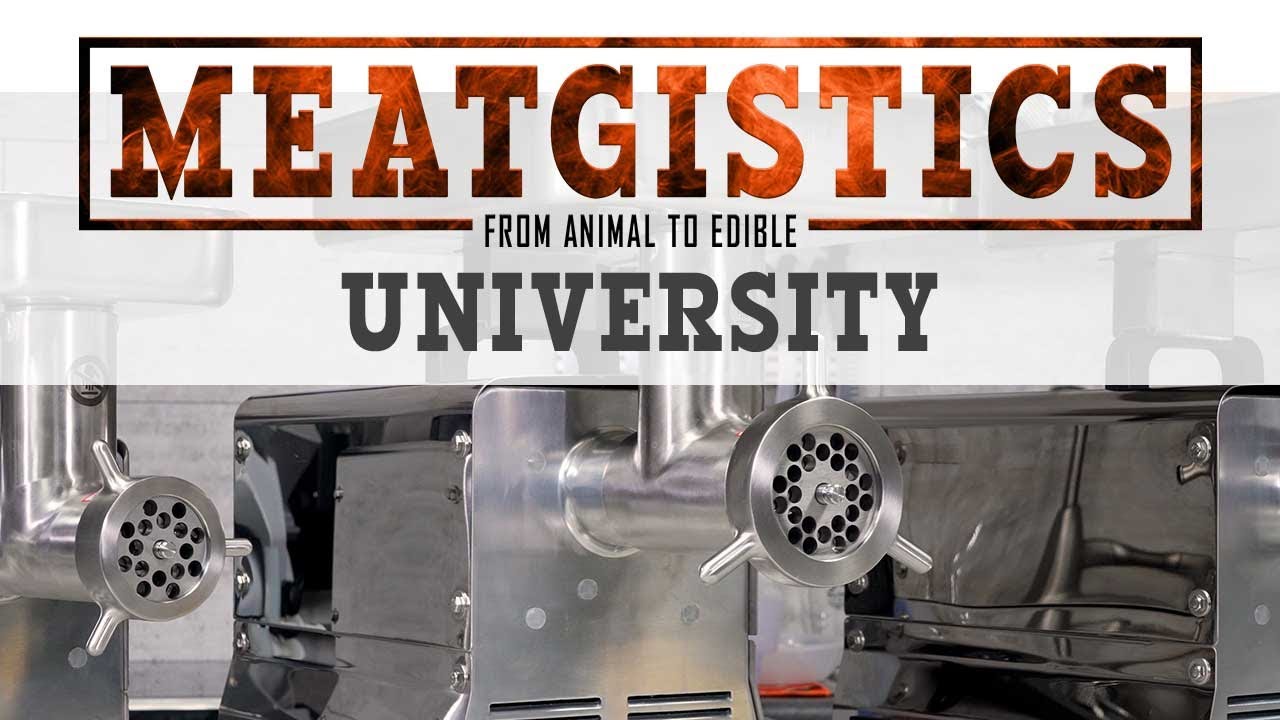
Choosing the right meat grinder size can be confusing, especially if you’re new to grinding meat at home or for business. The size you pick affects how fast you can grind, what types of meat you can process, and even how safe and easy your grinder is to use.
Some people buy a grinder that’s too small and struggle with slow grinding or jammed meat. Others buy a huge, expensive model they never use fully. So, how do you know what size meat grinder you really need? This guide will help you understand the main factors, compare sizes, and pick the best option for your needs—without wasting money or time.
Understanding Meat Grinder Sizes
Most meat grinders are identified by a number size—like #5, #8, #12, #22, or #32. These numbers refer to the diameter of the grinder’s feeding tube and plates, not the motor power or overall size. A larger number means a bigger grinder.
For example:
- #5 grinder plate is 2 1/8 inches
- #8 grinder plate is 2 1/2 inches
- #12 grinder plate is 2 3/4 inches
- #22 grinder plate is 3 1/4 inches
- #32 grinder plate is 3 7/8 inches
The size affects:
- How much meat you can feed at once
- The speed of grinding
- The types of meat and bones the grinder can handle
Non-obvious insight: The grinder number doesn’t mean the grinder is twice as powerful as the next lower size. It’s about the plate diameter, which affects throughput and ease of use.
Why Grinder Size Matters
Picking the right size is more than just matching numbers. If you get a grinder that’s too small, you might spend hours grinding meat, especially for big batches or tougher cuts. A grinder that’s too big can be harder to clean and store, and may cost much more.
Consider these factors:
- Batch size: How much meat you grind at one time
- Type of meat: Beef, pork, poultry, wild game, or even fish
- Grinding frequency: Occasional, monthly, weekly, or daily
- Bone grinding: Some sizes handle bones better for pet food or sausage making
- Kitchen space: Large grinders need more room
Example: If you only grind 5 pounds of beef once a month, a #5 or #8 is usually enough. If you process 50 pounds of venison after hunting season, you’ll want a #12 or bigger.

Comparing Meat Grinder Sizes
To help you decide, here’s a comparison of the most common sizes:
| Size | Plate Diameter | Batch Capacity | Typical Use |
|---|---|---|---|
| #5 | 2 1/8″ | Up to 10 lbs | Small home use |
| #8 | 2 1/2″ | 10-20 lbs | Home, small batches |
| #12 | 2 3/4″ | 20-50 lbs | Large home, small business |
| #22 | 3 1/4″ | 50-100 lbs | Small business, frequent use |
| #32 | 3 7/8″ | 100+ lbs | Commercial, heavy-duty |
Non-obvious insight: Many beginners overlook that a bigger grinder can handle sinew and gristle more easily. Smaller grinders often jam when processing tougher meat.
What Size Meat Grinder Do I Need For Home Use?
If you only grind meat occasionally, you probably don’t need a large commercial grinder. Here’s how to choose:
- Small batches (1-10 lbs): A #5 or #8 grinder is enough. These are easy to store and clean.
- Medium batches (10-20 lbs): Look for a #8 or #12. #12 can handle slightly larger pieces and won’t jam as often.
- Large batches (20-50 lbs): If you process meat for family or parties, a #12 or #22 is ideal.
- Grinding bones: For pet food, you need at least a #12 or #22, and only some models allow bone grinding.
Example Scenario
Let’s say you hunt deer and process your own meat. One deer can yield 30-60 lbs of meat. A #12 grinder will handle this without overheating. Trying this with a #5 would take much longer and risk jamming.
Kitchen Space
Small grinders like #5 and #8 fit easily in most kitchens. Larger grinders may need dedicated counter space or storage. If you have limited space, measure carefully before buying.
What Size Meat Grinder For Commercial Use?
If you run a butcher shop, catering business, or restaurant, you’ll need a bigger grinder:
- Frequent, large batches (50-100 lbs): Choose a #22 grinder. It’s fast, reliable, and built for heavy use.
- Heavy-duty, nonstop grinding (100+ lbs per day): Go for a #32. These grinders rarely jam and can run for hours.
Commercial Example
A small butcher may grind 200 lbs of meat daily. A #32 grinder can process this in about 2-3 hours. If you use a #12, it could take double the time and require more breaks for cooling.
Cleaning And Maintenance
Larger grinders are more complicated to clean. They have bigger parts and may need more time for cleaning and assembly. But they are built to last, with stronger motors and tougher materials.
Motor Power And Grinder Size
The size of the grinder plate is important, but so is the motor power. A big plate with a weak motor will struggle. A strong motor with a small plate can overheat.
Here’s a comparison of typical motor power for each size:
| Grinder Size | Typical Motor Power (Watts) | Grinding Speed (lbs/min) |
|---|---|---|
| #5 | 300-500 | 1-2 |
| #8 | 500-800 | 2-3 |
| #12 | 800-1000 | 3-5 |
| #22 | 1000-1200 | 5-8 |
| #32 | 1200-2000+ | 8-12 |
Non-obvious insight: Many people buy a large grinder but forget to check motor power. Always make sure the motor matches the plate size for smooth grinding.
Types Of Meat Grinders And Their Sizes
There are three main types: manual, electric, and commercial. Each comes in different sizes.
Manual Grinders
- Usually #5 or #8
- Good for small batches and soft meats
- Slow, but don’t need electricity
Electric Grinders
- Range from #5 to #22
- Faster, easier to use
- Most home grinders are electric
Commercial Grinders
- Usually #22 or #32
- Built for heavy, nonstop grinding
- Expensive, but reliable
Which Type Should You Choose?
If you grind less than 10 lbs at a time, a manual or small electric grinder is fine. For larger batches, electric is easier and faster. Commercial grinders are only needed for heavy use.
Key Features To Consider Beyond Size
Size is crucial, but other features matter too. Here’s what to look for:
- Reverse function: Helps clear jams quickly
- Multiple plate sizes: Allows for fine or coarse grinding
- Stainless steel parts: Easier to clean and lasts longer
- Safety features: Non-slip feet, overload protection
- Accessories: Sausage stuffing tubes, kibbeh attachments
Example: Some #12 grinders include both fine and coarse plates. Others only offer one. Always check what’s included.
Mistakes To Avoid When Choosing Grinder Size
Many people make errors when buying their first meat grinder. Here are common mistakes:
- Buying too small: You’ll waste time and risk jamming.
- Ignoring motor power: A big grinder with a weak motor is useless.
- Not considering cleaning: Large grinders are harder to clean.
- Ignoring accessories: Some grinders don’t include extra plates or attachments.
- Overestimating needs: Don’t buy a #32 if you only grind a few pounds a month.
Tip: Estimate your biggest batch size, then choose a grinder that can handle it comfortably.
How To Measure Your Needs
To find the right size, answer these questions:
- How much meat do you grind at one time?
- What types of meat do you process?
- Do you need to grind bones?
- How often do you grind meat?
- How much space do you have?
Add up your answers. If you grind small batches monthly, a #8 or #12 is best. For big batches or frequent use, #22 or #32 will save time.
Real-life Examples
Home cook: Sarah grinds 5 lbs of beef monthly. Her #8 grinder finishes the job in 15 minutes. Cleaning takes 10 minutes. She doesn’t need anything bigger.
Hunter: Mike processes two deer each season—about 80 lbs of meat. He uses a #12 grinder, which handles the load quickly. He spends less time grinding and more time packaging.
Pet food maker: Anna grinds chicken bones for dog food. She tried a #8 grinder but jammed often. She switched to a #22 grinder, which works smoothly.
Maintenance And Cleaning Tips
Regardless of size, proper cleaning is vital. Here’s how to keep your grinder in good shape:
- Disassemble and wash all parts after use
- Use warm, soapy water and a brush for small crevices
- Dry parts completely to prevent rust
- Oil metal parts lightly if storing for a long time
- Sharpen blades and plates regularly
Pro tip: Stainless steel grinders are easier to clean and don’t rust as fast. Plastic parts can stain and crack.
Price Range By Grinder Size
Larger grinders cost more, but price also depends on motor power and build quality.
| Size | Manual | Electric (Home) | Commercial |
|---|---|---|---|
| #5 | $30-$60 | $60-$120 | N/A |
| #8 | $40-$80 | $120-$200 | N/A |
| #12 | $80-$150 | $200-$350 | $400-$600 |
| #22 | N/A | $350-$500 | $600-$900 |
| #32 | N/A | N/A | $900-$1500+ |
Observation: Sometimes, spending a bit more for a bigger grinder saves you money in the long run. You won’t need to upgrade as soon.
Upgrading Or Downsizing Your Grinder
If you outgrow your current grinder, consider upgrading. But don’t rush—many people jump to a bigger size and regret it because of storage or cleaning issues. If you use your grinder less, downsizing can save space and effort.
Best practice: Try borrowing a larger grinder from a friend or local butcher before buying. This helps you understand cleaning, noise, and speed.
Where To Buy Meat Grinders
You can find grinders at kitchen stores, online retailers, and specialty shops. Look for brands with good reviews, solid warranties, and strong customer support.
For more detailed specifications, visit Wikipedia to see a list of common meat grinder sizes and features.
Frequently Asked Questions
What Does The Number On A Meat Grinder Mean?
The number refers to the diameter of the grinder’s plate and feeding tube. Larger numbers mean bigger plates, which handle more meat and grind faster.
Can I Grind Bones With Any Meat Grinder?
No. Only some larger grinders (#12 or above) can handle soft bones. Smaller grinders may jam or break. Always check the manufacturer’s instructions.
How Often Should I Clean My Meat Grinder?
Clean your grinder after every use. Remove all meat, wash every part with warm, soapy water, and dry thoroughly. This prevents bacteria and rust.
Does Motor Power Matter As Much As Grinder Size?
Yes. Both size and motor power affect grinding speed and ease. A big grinder with a weak motor won’t perform well. Always balance both.
Can I Upgrade My Grinder Size Later?
Yes. If your needs change, you can upgrade. Many people start with a small grinder and move to a larger one as they process more meat.
Finding the right meat grinder size makes meat processing safer, faster, and easier. By knowing your batch size, kitchen space, and grinding frequency, you can pick the best model for your needs. Remember, bigger isn’t always better—choose a size that matches your lifestyle.
If you follow these tips, your grinder will work well for years and help you enjoy fresh, ground meat at home or in your business.