

Gigli pasta, with its beautiful ruffled edge and unique bell shape, stands out on the shelf and on the plate. But many home cooks and pasta lovers wonder: What size is gigli pasta? Understanding its size helps you cook it perfectly and pair it with the right sauces. Let’s explore gigli pasta’s size, shape, and everything that makes it special.
What Is Gigli Pasta?
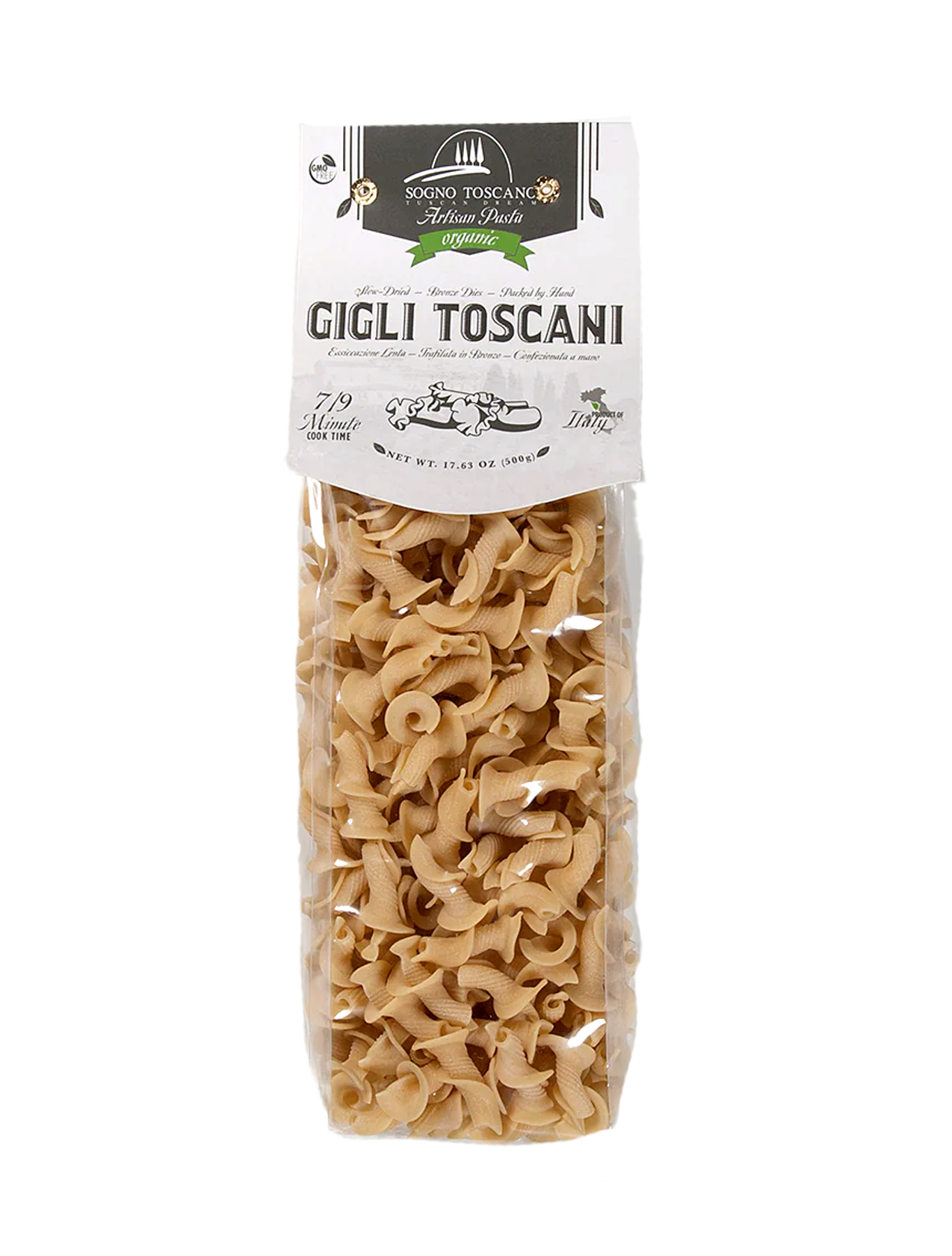
Gigli (pronounced “zhee-lee”) is a traditional Italian pasta that translates to “lilies” in English. Sometimes called campanelle, which means “little bells,” gigli is easy to spot because of its flower-like, fluted edges. Its design isn’t just for looks. The curled, trumpet shape helps catch sauces and small ingredients, making each bite flavorful.
Gigli is popular in Tuscany but is now found in stores and kitchens around the world. It’s often used in baked dishes, creamy sauces, and even pasta salads. But before you cook with it, knowing its size is important—especially if you’re following a recipe or want the perfect sauce-to-pasta ratio.
Standard Size Of Gigli Pasta
Gigli pasta is not as strictly sized as spaghetti or penne, but there are common dimensions most brands follow. When dry, gigli pasta typically measures:
- Length: 1 to 1.5 inches (25 to 38 mm)
- Diameter at Base: 0.5 to 0.75 inches (13 to 19 mm)
- Height: 0.75 to 1 inch (19 to 25 mm)
After cooking, gigli expands slightly in both length and width, but the shape holds well due to the curled edges.
Here’s a simple comparison to help visualize gigli’s size next to other common pasta shapes:
| Pasta Type | Approximate Length (dry) | Approximate Width (dry) |
|---|---|---|
| Gigli | 1–1.5 in (25–38 mm) | 0.75 in (19 mm) |
| Penne | 2 in (50 mm) | 0.4 in (10 mm) |
| Fusilli | 1.5 in (38 mm) | 0.3 in (8 mm) |
| Macaroni | 1 in (25 mm) | 0.2 in (5 mm) |
As you can see, gigli is a bit shorter than penne but wider at the base, with a unique curled edge.
How Gigli’s Shape Affects Its Size
The special design of gigli means that measuring its size can be tricky. The flower-like curl gives it more surface area than round or tube-shaped pasta. This means a cup of gigli will weigh less than a cup of denser shapes like penne or rigatoni.
Here are two insights that beginners often miss:
- Serving Size: A typical serving of dry gigli is about 2 ounces (56 grams), which is roughly 3/4 cup. Because of the shape, gigli takes up more room in a cup than smaller, denser pasta.
- Sauce Cling: The ruffles and bell shape hold thick and chunky sauces better than smooth, straight pasta. This means you can use less sauce and still get big flavor in every bite.
Gigli Pasta Size By Brand
Different pasta makers create gigli with slight variations. Some brands make a tighter curl, while others have a wider opening. If you want a specific size, it helps to check the packaging or the brand’s website.
Here’s a comparison of gigli size from three popular brands:
| Brand | Length (dry) | Base Diameter | Comments |
|---|---|---|---|
| De Cecco | 1.2 in (30 mm) | 0.7 in (18 mm) | Tight curl, thick pasta wall |
| Garofalo | 1.5 in (38 mm) | 0.75 in (19 mm) | Wider bell, thinner edge |
| Rustichella d’Abruzzo | 1 in (25 mm) | 0.5 in (13 mm) | Smaller, more delicate shape |
The differences are small, but they can affect cooking time and how much sauce the pasta holds.

Cooking Gigli Pasta: Size Impacts Time
Cooking gigli is simple, but the size and thickness can change the boiling time. Most gigli pasta cooks in 10 to 13 minutes. Thicker brands may need an extra minute. Always check the package for the recommended time, but start tasting for doneness at the 10-minute mark.
A practical tip: Because gigli is a bit larger and denser than some pasta, stir it gently at the start so the curls don’t stick together. If you’re making a baked pasta, cook gigli 2 minutes less than the package suggests, so it stays firm after baking.
Gigli Pasta In Recipes: Why Size Matters
The size of gigli is more than just a detail—it impacts how the pasta works in recipes. Here’s why:
- Sauce Absorption: The wide, ruffled edge holds creamy, chunky, or meaty sauces well. Smaller pasta can’t do this as effectively.
- Mouthfeel: Gigli’s size means every piece delivers a satisfying bite. It’s not too small, so it doesn’t get lost in salads or baked dishes.
- Presentation: The flower-like shape adds beauty to the plate, especially in simple dishes where the pasta is the star.
If you substitute gigli for another shape, remember to adjust the amount and cooking time based on its size.
Gigli Pasta Size For Salads And Bakes
One of gigli’s strengths is its versatility. Its size makes it perfect for pasta salads and baked casseroles. In salads, the pasta holds dressing and small vegetables in its curls. In baked dishes, gigli’s size helps it stay firm and not get mushy.
Here’s a quick example: If a recipe calls for 2 cups of cooked penne, you’ll need about 2.5 cups of cooked gigli to get the same weight, because gigli’s shape takes up more space.
Measuring Gigli: By Weight Or Volume?
A common mistake is to measure gigli by volume (cups) instead of weight (ounces or grams). Because of its shape, gigli is best measured by weight for accuracy.
- Dry Gigli: 2 ounces (56 grams) per person is standard.
- Cooked Gigli: This equals about 1 to 1.25 cups after boiling.
If you don’t have a kitchen scale, use a measuring cup but be aware you might need a little more to match other pasta types in a recipe.
How To Store Gigli Pasta
The size of gigli also affects how you store it. Because of the ruffled edges, gigli can break or crumble if packed tightly. Store it in a sealed container in a cool, dry place. If you buy in bulk, handle gently to keep the shapes intact.
For cooked gigli, store leftovers in a shallow container with a little sauce or oil to prevent sticking. Its size and shape help it reheat well without getting soggy.
Is Homemade Gigli Different In Size?
Homemade gigli is usually a bit larger and thicker than store-bought. Cooks often shape it by hand, rolling fresh dough around a finger or dowel. This means homemade gigli can be up to 2 inches long and have an even wider bell.
If you’re making gigli at home, keep in mind:
- Cooking Time: Fresh gigli cooks much faster, usually 3-4 minutes.
- Consistency: Hand-shaped gigli may have slight size differences, adding a rustic look and feel.
This variety in size is part of what makes homemade gigli special.
Gigli Pasta In Italian Cuisine
In Italy, gigli is used for both everyday meals and special occasions. Its size and shape make it perfect for dishes with hearty sauces or lots of vegetables. In Tuscany, it’s common to find gigli served with ragù or creamy cheese sauces.
Gigli’s size is no accident—it was designed to hold thick sauces and pieces of meat or vegetable. This makes it a favorite for family-style dishes and festive dinners.
Gigli Pasta In Modern Cooking
Today, gigli is used in creative recipes by chefs and home cooks worldwide. Its unique size lets it stand out in modern pasta salads, vegan dishes, and even as a substitute for shells in mac and cheese.
Because of its size and shape, gigli is also popular in gluten-free and specialty pastas. If you try a gluten-free gigli, expect a similar size but slightly firmer texture.
Common Mistakes When Using Gigli Pasta
Many people make small mistakes with gigli that affect their results:
- Overcooking: Because gigli is thick, it can go from al dente to mushy quickly. Taste early and drain as soon as it’s firm but cooked.
- Measuring by Cups: As mentioned, always measure gigli by weight, not just by the cup.
- Using Thin Sauces: Gigli’s size and ruffles are best with hearty sauces. Thin, watery sauces tend to slide off.
For best results, pair gigli with chunky tomato sauces, creamy Alfredo, or baked cheese mixtures.
Gigli Pasta Size And Nutrition
Gigli’s size doesn’t change its nutrition much compared to other wheat pasta. A 2-ounce (56-gram) serving of dry gigli contains:
- Calories: 200
- Protein: 7 grams
- Carbs: 42 grams
- Fiber: 2 grams
Because gigli is larger, you might eat fewer pieces per serving, but the nutritional content is similar to other shapes.
If you want more details on pasta nutrition, the USDA FoodData Central is a reliable resource.

Fun Facts About Gigli Pasta Size
- Gigli is sometimes used as a decorative pasta for special events due to its beautiful shape and size.
- In Italian markets, you may find mini gigli (about 0.5 inches long) for soups and giant gigli for stuffing, though these are less common.
- The size of gigli is perfect for kids because each piece is easy to pick up with a fork or spoon.
Frequently Asked Questions
What Is The Average Size Of Gigli Pasta?
Dry gigli pasta is usually 1 to 1.5 inches long and about 0.75 inches wide at the base. After cooking, it expands a little but keeps its ruffled, bell-like shape.
How Much Cooked Gigli Pasta Does 2 Ounces Dry Make?
Two ounces (56 grams) of dry gigli will give you about 1 to 1.25 cups of cooked pasta. The exact amount depends on the brand and how much the pasta expands during cooking.
Can I Substitute Gigli For Other Pasta Shapes In Recipes?
Yes, you can use gigli instead of penne, fusilli, or shells. Remember, gigli is wider and holds more sauce, so you might need to adjust the sauce quantity or cooking time.
Is Gigli Pasta Always The Same Size?
No, gigli pasta size can change a little by brand. Some are tighter and shorter, while others are wider and longer. Homemade gigli is often larger and more rustic.
What Sauces Work Best With Gigli Pasta’s Size?
Gigli’s size and ruffles are perfect for chunky tomato sauces, creamy sauces, and baked dishes. Avoid thin, watery sauces, which won’t cling well to the wide, curled edges.
Gigli pasta’s size makes it a favorite for both everyday meals and special occasions. Its unique shape catches sauce and adds beauty to any dish. Next time you cook with gigli, you’ll know exactly what size to expect—and how to make the most of this special pasta.

