

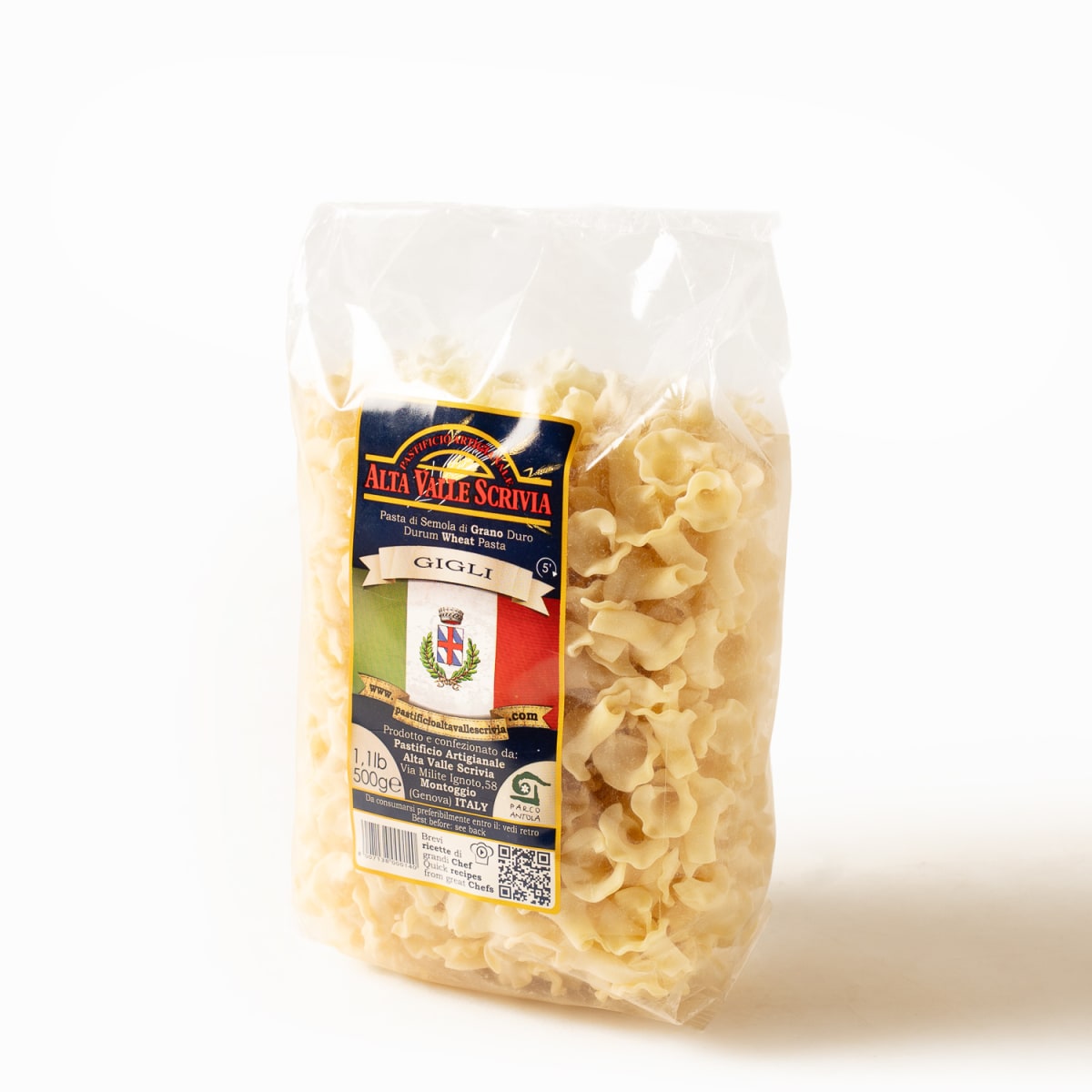
Gigli pasta, also known as campanelle, is a unique Italian pasta with a bell-like or flower shape. Its fluted edges and hollow center make it perfect for holding sauces. Many people outside Italy may not know how Italian chefs serve gigli pasta or why it is so beloved in traditional kitchens.
This article will explore how gigli pasta is prepared, the classic and modern sauces paired with it, plating techniques, and the small details that turn a simple dish into an Italian dining experience.
What Is Gigli Pasta?
Gigli means “lily” in Italian. The pasta’s design, with ruffled edges and a cone shape, is meant to resemble a lily flower. Traditionally, gigli pasta comes from Tuscany, especially the city of Florence. It is made from semolina flour and water, sometimes with eggs, giving it a sturdy texture that holds up well to thick sauces.
The pasta’s shape is not just for looks. The ruffled edges and hollow cone trap sauce and small pieces of ingredients, making every bite full of flavor. This is why gigli is often used for recipes where sauce coverage is important.
Choosing The Right Sauce For Gigli Pasta
Italian chefs are careful when pairing sauces with pasta shapes. With gigli, the main idea is to use sauces that cling to the folds and fill the center. Here are some common choices:
1. Cream-based Sauces
Rich, creamy sauces work well with gigli. For example, alfredo or gorgonzola cream sauces coat the pasta evenly, filling the grooves. Chefs often add mushrooms or pancetta to give extra depth.
2. Chunky Vegetable Sauces
Vegetable sauces, like those with eggplant, zucchini, or artichoke, are popular. The pieces fit into the pasta’s cup, making each forkful flavorful. A classic Tuscan option is gigli with carciofi (artichoke) sauce.
3. Meat Sauces
Hearty sauces with sausage, beef, or wild boar are another favorite, especially in Tuscany. The pasta holds the meat pieces, creating a satisfying texture. Ragù di cinghiale (wild boar sauce) is a regional specialty.
4. Simple Tomato Sauces
A classic pomodoro (tomato) sauce with fresh basil is a simple but elegant pairing. The pasta’s shape makes even a basic sauce feel special.

Cooking Gigli Pasta The Italian Way
Italian chefs pay close attention to details when cooking gigli pasta. Here’s a step-by-step guide to how they do it:
- Boil plenty of water: Use at least 1 gallon of water per pound of pasta. This prevents sticking.
- Add salt generously: Italians say the water should taste like the sea—about 1 tablespoon of salt per 4 quarts.
- Cook until al dente: Gigli usually takes 10–12 minutes. Check a minute early for perfect texture.
- Reserve some pasta water: This starchy water helps blend the sauce and pasta.
- Do not rinse: Rinsing removes the starch that helps sauce stick.
One non-obvious tip: Italian chefs sometimes finish gigli pasta in the pan with the sauce for 1–2 minutes, letting the pasta absorb more flavor and become fully coated.
Plating And Presentation Techniques
How a chef serves gigli pasta is just as important as the cooking process. Italian chefs believe in making the dish look inviting, but not over-complicated. Here’s how they approach plating:
- Use wide, shallow bowls so the shape is visible.
- Twirl or gently spoon the pasta into the center.
- Garnish lightly: A sprinkle of fresh herbs, a few shavings of Parmigiano-Reggiano, or a drizzle of extra-virgin olive oil.
- No drowning in sauce: The sauce should coat, not cover, the pasta.
- Add texture: Toasted breadcrumbs or crushed nuts add crunch.
Example: Gigli Pasta With Sausage And Kale
A Tuscan favorite is gigli with sausage and kale. After tossing the pasta with a sauce of browned sausage, wilted kale, garlic, and cream, chefs spoon it into bowls, top with Parmigiano, and finish with a touch of lemon zest.
This highlights both the pasta’s shape and the local ingredients.
Traditional Vs. Modern Approaches
Italian cuisine values tradition, but chefs also enjoy experimenting. Let’s compare traditional and modern ways of serving gigli pasta:
| Aspect | Traditional | Modern |
|---|---|---|
| Ingredients | Local, seasonal, classic (e.g., wild boar, artichoke) | Global, fusion, creative (e.g., truffle oil, Asian greens) |
| Sauces | Slow-cooked, rustic, hearty | Lighter, foam, reductions, unexpected pairings |
| Presentation | Simple, home-style | Artistic plating, microgreens, edible flowers |
| Portion Size | Family-style, generous | Smaller, tasting portions |
One thing both approaches share: respect for the pasta’s unique shape. Even in high-end restaurants, gigli is rarely buried under sauce or ingredients.
Wine Pairing With Gigli Pasta
Italian chefs often suggest a wine that matches the richness and flavors of the dish. Here are some common pairings:
- Creamy or cheesy gigli: Try a crisp Pinot Grigio or Verdicchio.
- Meaty sauces: A medium-bodied red like Chianti or Montepulciano d’Abruzzo balances the flavors.
- Vegetable-based gigli: A dry Rosé or light white wine complements the freshness.
The key is not to overpower the dish. A tip many beginners miss: serve wine at the right temperature (chilled whites, room temperature reds) for the best taste.
Popular Gigli Pasta Dishes In Italy
Some regional gigli pasta recipes have become classics. Here are a few you might find in Italian restaurants:
- Gigli alla Fiorentina: Features spinach, ricotta, and a light cream sauce, topped with nutmeg.
- Gigli al Ragù Toscano: Slow-cooked beef or pork ragù with tomato, carrot, and celery.
- Gigli con Carciofi e Limone: Artichokes sautéed with garlic, finished with lemon zest.
- Gigli ai Funghi Porcini: Creamy sauce with porcini mushrooms and parsley.
- Gigli con Salsiccia e Cavolo Nero: Sausage and Tuscan kale, sometimes with a splash of white wine.
Each dish highlights the pasta’s ability to hold sauce and blend with robust flavors.
Gigli Pasta In Fine Dining Vs. Home Cooking
How gigli pasta is served can change between a family table and a fine restaurant.
| Setting | Serving Style | Special Touches |
|---|---|---|
| Home | Large bowls, family-style, relaxed | Fresh herbs, extra cheese, rustic bread |
| Restaurant | Individual plating, precise portions | Microgreens, sauce dots, shaped Parmesan crisps |
At home, gigli is about comfort and sharing. In a restaurant, it becomes an artwork, with balanced flavors and careful presentation.
Mistakes To Avoid When Serving Gigli Pasta
Even experienced cooks can make mistakes with gigli pasta. Here are some common errors Italian chefs avoid:
- Overcooking the pasta: The shape breaks down, losing its special texture.
- Using watery sauces: Thin sauces slide off the pasta and don’t fill the center.
- Not tossing pasta with sauce: Pouring sauce on top doesn’t let flavors blend.
- Serving it too cold: Pasta should be served hot for the best taste and texture.
- Overloading the plate: Too much sauce or garnish hides the pasta’s shape.
A useful tip: always taste the pasta before serving. Texture is key to an authentic Italian experience.
How Gigli Pasta Differs From Other Shapes
Gigli is sometimes confused with other types like fusilli or farfalle. Here’s a quick comparison:
| Pasta Shape | Main Features | Best Sauce Types |
|---|---|---|
| Gigli (Campanelle) | Bell shape, ruffled edge, hollow center | Creamy, chunky, meaty sauces |
| Fusilli | Spiral, twisted | Thick tomato, pesto, vegetable |
| Farfalle | Bow-tie shape | Light cream, tomato, cold pasta salads |
The main difference: gigli pasta’s structure is ideal for holding heavier, textured sauces, unlike many other short pasta types.
Tips For Making Your Gigli Pasta Like An Italian Chef
To bring the Italian restaurant experience home, try these chef-approved tips:
- Use high-quality pasta: Look for Italian brands made with bronze dies for better sauce absorption.
- Balance your flavors: Avoid overpowering the pasta with one ingredient; let every element shine.
- Finish with fresh ingredients: Herbs, cheese, or a splash of good olive oil add freshness.
- Serve immediately: Pasta waits for no one—timing is everything.
An insight many new cooks miss: Italian chefs rarely add too many ingredients. Simplicity often wins, letting the pasta and sauce speak for themselves.
Frequently Asked Questions
What Is The Best Sauce For Gigli Pasta?
The best sauces are creamy or chunky, such as mushroom cream, sausage and kale, or artichoke with olive oil. These types of sauces cling to the ruffled edges and fill the hollow center, making every bite full of flavor.
Can I Use Gigli Pasta In Baked Dishes?
Yes, gigli pasta works in baked casseroles (pasta al forno). Its shape holds sauce and cheese well, creating a hearty, comforting dish. Just make sure not to overcook the pasta before baking, or it may become mushy.
Where Can I Buy Authentic Gigli Pasta?
You can find gigli pasta at Italian specialty stores or online shops. Look for brands made in Italy and check for the phrase “trafilata al bronzo” (bronze-cut), which gives the pasta a rough surface for better sauce adherence. The Wikipedia pasta list offers more information on Italian pasta varieties.
Is Gigli Pasta Gluten-free?
Traditional gigli pasta is made with wheat semolina, so it contains gluten. However, some brands now offer gluten-free versions made with rice, corn, or legumes. Always check the label if you have dietary restrictions.
How Should I Store Leftover Gigli Pasta?
Store leftover gigli pasta in an airtight container in the refrigerator for up to 3 days. To reheat, add a splash of water or broth and warm gently on the stove. Avoid microwaving for too long, as this can make the pasta rubbery.
Italian chefs treat gigli pasta with care, respecting its shape and the traditions behind it. Whether served at a fine restaurant or a family table, gigli is a reminder that even small details—like the right sauce or the perfect garnish—can turn pasta into a special meal.
With these tips, you can bring a taste of Italy to your own kitchen and serve gigli pasta just like a true Italian chef.


