

Gigli and fusilli pasta both bring unique shapes and textures to Italian cuisine, but they are often confused by home cooks and pasta lovers. If you’ve ever stood in the grocery aisle wondering which one to grab—or how they might change your recipe—this guide will make things clear.
By the end, you’ll know how to recognize, cook, and use both pastas, and you’ll also understand their impact on flavor, sauce, and presentation.
What Are Gigli And Fusilli Pasta?
Many people are familiar with fusilli—it’s a common pasta in supermarkets and restaurants. But gigli is less known outside Italy, yet it’s gaining popularity for its elegant look and ability to hold sauce. Both are considered short pasta shapes, but their differences go beyond appearance.
Gigli Pasta
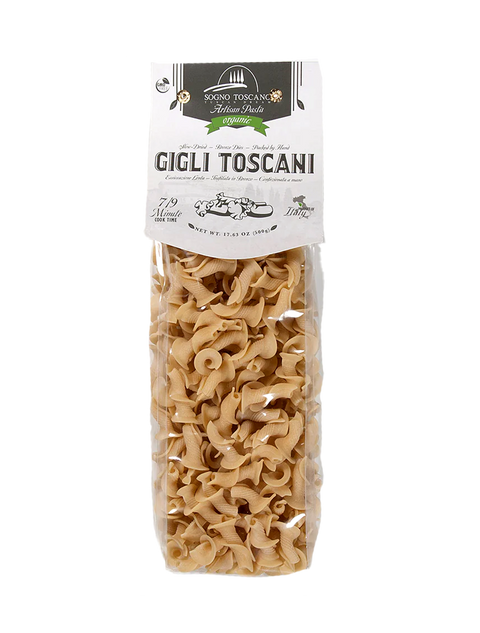
Gigli, sometimes called “campanelle,” means “lilies” or “little bells” in Italian. It’s shaped like a tiny trumpet or flower, with a ruffled edge that curls up. The structure is hollow in the middle and flares out, making it look delicate but able to hold robust sauces.
- Origin: Tuscan region in Italy
- Shape: Bell or trumpet with ruffled edge
- Texture: Thick, slightly chewy
- Uses: Hearty sauces, baked dishes, salads
Fusilli Pasta
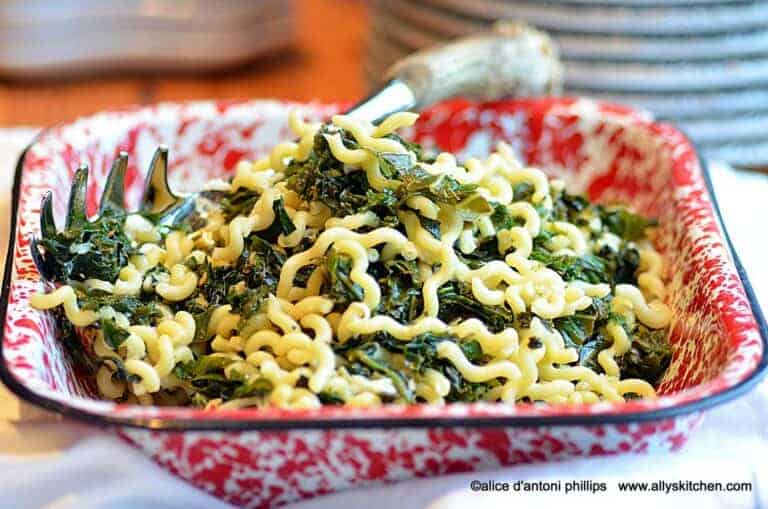
Fusilli comes from the Italian word “fuso,” meaning spindle. It’s a spiral or corkscrew-shaped pasta, and its ridges are perfect for trapping sauce. Fusilli is one of the most popular pasta shapes worldwide.
- Origin: Southern Italy
- Shape: Spiral or corkscrew
- Texture: Firm, springy
- Uses: Light sauces, pasta salads, casseroles
Appearance And Structure: Side-by-side
It’s not always easy to spot the difference from the package, so let’s break down what makes gigli and fusilli visually distinct.
| Pasta Type | Shape | Surface | Size |
|---|---|---|---|
| Gigli | Bell/trumpet, ruffled edge | Hollow, smooth with ruffles | 1.5–2 inches |
| Fusilli | Spiral/corkscrew | Ridged, tight twists | 1–1.5 inches |
Gigli’s ruffled edge gives it a delicate, almost fancy look, while fusilli’s spiral is compact and practical. Gigli’s wider opening means it holds more sauce and fillings, while fusilli’s tight ridges grab thinner sauces.
Cooking Differences
The way pasta cooks affects both taste and texture. Gigli and fusilli behave differently in boiling water and in recipes.
Cooking Time And Method
| Pasta Type | Boiling Time | Common Mistake |
|---|---|---|
| Gigli | 10–13 minutes | Overcooking causes loss of shape |
| Fusilli | 8–11 minutes | Undercooking leaves chewy core |
Gigli requires more careful cooking. Because of its thicker and ruffled edges, the center can cook faster than the edges. Stirring gently helps keep the shape, and checking for doneness around the edges is a smart tip.
Fusilli cooks more evenly, but if you don’t stir enough, the spirals can stick together. To avoid this, use plenty of water and stir in the first few minutes.
Sauce Absorption
Gigli’s hollow shape and ruffled edges hold creamy or chunky sauces very well. Fusilli’s spirals are perfect for thinner sauces like pesto or tomato. Beginners often miss this detail and use the wrong pasta for the sauce, which can make the dish less tasty.
Taste And Texture
Both pastas are made from similar ingredients—usually semolina flour and water—but their shape affects how they feel in the mouth and how they interact with sauce.
- Gigli: Offers a soft, pillowy bite with a firm edge. The ruffles add texture, and the hollow center fills with sauce. This makes each mouthful richer.
- Fusilli: Has a springy, chewy texture. The ridges catch sauce, but the spiral means each bite is consistent.
Some people find gigli more luxurious, while fusilli is better for everyday meals.
Nutritional Comparison
The nutritional value of pasta comes mostly from the flour used. However, shape affects portion size and how much sauce you add.
| Pasta Type | Calories (per 2 oz dry) | Carbs | Protein | Fiber |
|---|---|---|---|---|
| Gigli | 200 | 40g | 7g | 2g |
| Fusilli | 200 | 40g | 7g | 2g |
You’ll notice the numbers are nearly identical. The difference comes in sauce absorption—gigli holds more sauce, which can increase calories. So if you’re watching calories, measure sauce carefully with gigli.
How To Use Each Pasta In Cooking
Choosing gigli or fusilli changes the outcome of your dish. Here are practical ways to use each pasta:
Gigli Pasta Uses
- Baked Pasta Dishes: Gigli is strong enough for baking. Try it in cheesy casseroles or with béchamel sauce.
- Hearty Meat Sauces: The ruffles and hollow inside hold thick sauces, like ragù or sausage.
- Vegetable Pasta Salads: Gigli’s shape is visually appealing and doesn’t turn mushy.
- Stuffed Pasta: Some chefs use gigli for stuffing with ricotta or spinach.
Fusilli Pasta Uses
- Light Tomato or Pesto Sauces: Fusilli’s ridges grab lighter sauces.
- Cold Pasta Salads: The spirals stay firm and mix well with veggies.
- Quick Weeknight Meals: Fusilli cooks fast and works with almost any sauce.
- One-Pot Dishes: Fusilli blends easily with soups and stews.
Many home cooks use fusilli when gigli is unavailable, but the results can be different—especially with creamy or chunky sauces.
History And Culture
Understanding pasta shapes helps you appreciate Italian culture. Gigli’s origin is tied to Tuscany, where flowers are a symbol of the region. It’s less industrial and more artisan. Gigli is often handmade, making it rare in supermarkets outside Italy.
Fusilli comes from southern Italy and was invented to speed up pasta production. The spiral shape is easy to make and dries quickly. Fusilli became common as pasta factories expanded in the 20th century.
One non-obvious insight: Gigli is sometimes used in wedding dishes or special events because of its elegant shape. Fusilli, meanwhile, is a staple for family meals.
Availability And Price
Gigli is harder to find in regular stores, especially outside Italy. Fusilli is everywhere, from budget brands to gourmet markets.
- Gigli: Usually sold in specialty stores or online. Price ranges from $3–$7 per pound.
- Fusilli: Sold in most supermarkets. Price ranges from $1–$4 per pound.
If you want to impress guests or try something new, gigli is worth seeking out. Fusilli is perfect for quick meals and large gatherings.
Common Mistakes And Tips
Many beginners make errors when choosing or cooking these pastas. Here’s what to watch for:
- Using gigli for thin sauces: Gigli works best with thick, creamy, or chunky sauces. Thin sauces slip off.
- Overcooking gigli: The ruffled edges get mushy fast.
- Not stirring fusilli: Spirals stick together if you don’t stir early.
- Wrong pasta for pasta salad: Gigli can lose shape in cold salads; fusilli stays firm.
Practical tip: If you can’t find gigli, try using campanelle—it’s often labeled differently but is the same shape.
Gigli Vs Fusilli: Choosing For Different Recipes
If you’re unsure which pasta to choose, think about your recipe and sauce. Here are some examples:
- For baked ziti or lasagna: Use gigli. Its structure holds up in baking and layers well.
- For pesto pasta: Choose fusilli. The ridges grab the sauce and prevent pooling.
- For elegant dinner parties: Gigli looks beautiful and gives a gourmet touch.
- For quick weekday meals: Fusilli is easier to cook and available everywhere.
Another insight: Gigli’s wider opening allows you to add peas, diced vegetables, or small bits of meat inside the pasta itself. Fusilli, by contrast, mixes everything together.

Expert Recommendations
Professional chefs often recommend matching pasta shape to sauce thickness. For example:
- Creamy Alfredo or carbonara: Gigli is ideal.
- Simple tomato or olive oil-based sauces: Fusilli works best.
- Chunky vegetable or meat sauces: Gigli’s hollow and ruffles trap bits for flavor in every bite.
If you’re making pasta for kids, fusilli is easier to eat and less messy. For formal events, gigli stands out visually.
Environmental Impact And Production
The environmental footprint of pasta depends on production. Fusilli is mass-produced, often using automated machines. Gigli is mostly handmade or artisan, which means smaller batches and less packaging waste.
However, both pastas can be found in organic or whole wheat versions. If you want to reduce your environmental impact, look for brands with sustainable practices.
For more about pasta production and sustainability, see Wikipedia’s pasta page.
Frequently Asked Questions
What Is The Best Sauce For Gigli Pasta?
Gigli pasta works best with thick, creamy, or chunky sauces. Alfredo, ragù, or sausage and pepper sauces are ideal. The ruffled shape traps sauce, making each bite rich and flavorful.
Can Fusilli And Gigli Be Used Interchangeably?
They can, but the results differ. Fusilli is better for lighter, thinner sauces, while gigli shines with heartier ones. If you substitute, consider the sauce thickness and how much you want it to cling to the pasta.
Is Gigli Pasta Gluten-free?
Most gigli is made from wheat, but some brands offer gluten-free versions using rice or corn flour. Always check the label if you need gluten-free pasta.
Which Pasta Is Better For Pasta Salads?
Fusilli is generally better for pasta salads. Its shape stays firm and mixes well with vegetables and dressings. Gigli tends to lose its shape and can get mushy if chilled for too long.
Where Can I Buy Gigli Pasta Outside Italy?
Gigli is sold in specialty Italian food stores or online retailers. Look for “campanelle” as an alternative name. Some gourmet supermarkets carry it, but it’s less common than fusilli.
If you want your pasta dish to stand out, understanding the difference between gigli and fusilli helps you choose the right shape, sauce, and cooking method. Whether you’re aiming for a quick meal or a restaurant-quality dinner, matching your pasta to your recipe makes a noticeable difference.
Experiment with both, and you’ll discover new flavors, textures, and ways to impress your guests or family.

