

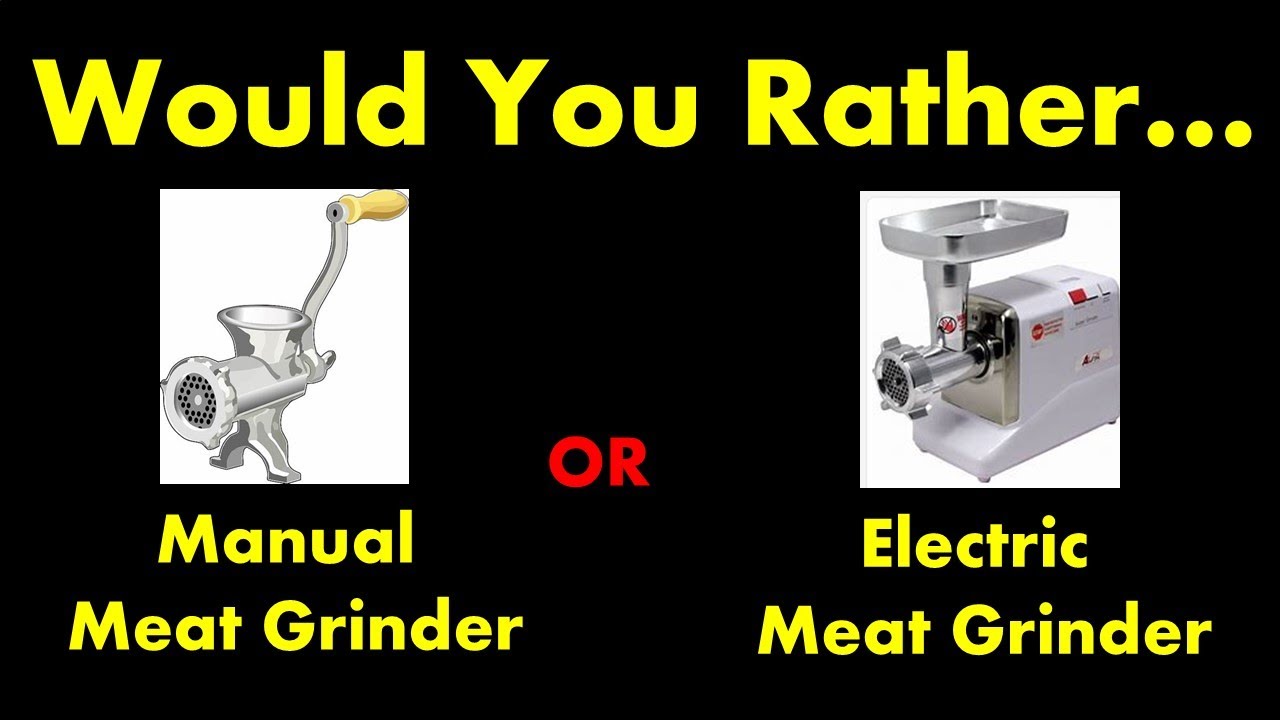
Choosing between a manual and an electric meat grinder can feel overwhelming, especially if you’re new to grinding your own meat. Both types have their advantages, limitations, and best-use scenarios. The right choice depends on your kitchen needs, budget, available space, and how often you plan to use the grinder. Many people just want fresh, quality ground meat without preservatives, while others seek more control over texture and fat content.
Grinding your own meat is not only about making burgers or sausages. It’s about safety, taste, and creativity. Pre-ground meat from the store may include additives, lower-quality cuts, or even meat from different animals. When you grind meat at home, you know exactly what’s inside.
But before you buy a grinder, you need to understand the key differences between manual and electric models, how they work, what features to look for, and which will fit your lifestyle best. This article will break down these points, provide real-life examples, and help you make an informed decision.
What Is A Meat Grinder?
A meat grinder is a kitchen device used to process raw meat into ground form. It consists of a hopper where you place the meat, a feed tube, a screw (also called an auger), a cutting blade, and a plate with holes that determines the texture. Some grinders come with extra accessories for making sausages, kibbeh, or even grinding vegetables.
There are two main types:
- Manual meat grinders: Operated by turning a hand crank.
- Electric meat grinders: Powered by an electric motor.
Let’s dive deeper into how each one works and what sets them apart.
Manual Meat Grinders: How They Work And Who They Suit
Manual grinders have been around for generations. They’re simple, sturdy, and often made from cast iron or stainless steel. You attach them to a countertop or table with a clamp. To use one, you cut your meat into small pieces, put it in the hopper, and turn the crank.
The auger pushes the meat through the blade and plate, producing ground meat.
Advantages Of Manual Meat Grinders
- Affordable: Manual models usually cost less than electric versions.
- Simple to Use: Few moving parts mean less can go wrong.
- Long-lasting: With proper care, they can last for decades.
- No Electricity Needed: Perfect for camping, outdoor use, or locations without reliable power.
- Easier to Clean: Fewer parts and no motor make washing up simple.
Limitations Of Manual Meat Grinders
- Physical Effort: Grinding large batches can be tiring, especially with tougher meats.
- Slower Output: Not ideal if you need to process a lot of meat.
- Limited Functions: Most manual grinders aren’t great for bones or very tough cuts.
- Small Hopper: You may need to refill often.
When Manual Grinders Are Best
Manual grinders are a good fit for:
- People who only grind meat occasionally
- Small households
- Those who want a portable option
- Anyone on a tight budget
- People who enjoy hands-on cooking
But if you plan to grind meat weekly or in large batches, you may find a manual grinder less practical.
Electric Meat Grinders: How They Work And Who They Suit
Electric grinders use a motor to turn the auger and blade. You feed meat into the hopper, and the machine does the work. Most electric grinders have different speed settings, larger hoppers, and can process tougher cuts or even small bones (in heavy-duty models).
Advantages Of Electric Meat Grinders
- Fast and Efficient: Easily grinds several pounds of meat in minutes.
- Less Physical Effort: The motor does the hard work.
- Versatile: Many models come with attachments for sausages, vegetables, or even pasta.
- Consistent Texture: Uniform grind every time.
- Large Capacity: Ideal for big families or meal prepping.
Limitations Of Electric Meat Grinders
- Higher Cost: More expensive upfront than manual grinders.
- Needs Power: Can’t be used outdoors without electricity.
- Heavier and Bulkier: Takes more kitchen space.
- More Parts to Clean: Motorized parts require careful handling.
- Possible Overheating: Cheaper models may overheat if used too long.
When Electric Grinders Are Best
Choose electric if you:
- Grind meat regularly or in large amounts
- Make homemade sausages or pet food
- Want to grind tough cuts or small bones
- Prefer convenience over tradition
Manual Vs Electric: Side-by-side Comparison
Comparing manual and electric grinders helps highlight the real-world differences. Here’s a quick look at the core features:
| Feature | Manual Meat Grinder | Electric Meat Grinder |
|---|---|---|
| Price Range | $30–$80 | $60–$400+ |
| Processing Speed | 1–2 lbs/min (depends on user) | 2–7 lbs/min (depends on model) |
| Ease of Use | Manual effort needed | Automatic, button-operated |
| Cleaning | Simple, fewer parts | More parts, needs care |
| Portability | Lightweight, no power needed | Heavier, needs outlet |
| Noise | Silent | Loud (motor sound) |
| Durability | Very durable if maintained | Depends on motor/build |

Detailed Pros And Cons
Looking deeper at each type helps reveal the hidden challenges and benefits that many first-time buyers miss.
Manual Meat Grinder: Pros
- Full Control: You decide the speed and pressure, which can be good for recipes needing a coarse grind.
- Safe for Kids: No sharp, spinning parts powered by a motor. Supervision is still needed, but the risk is lower.
- Low Failure Rate: No electronics to break down.
Manual Meat Grinder: Cons
- Tiring for Big Batches: Grinding 10 pounds for a party can take 30–40 minutes and a sore arm.
- Inconsistent Grind: If you rush, the meat may come out uneven.
- Limited to Lean Meats: Fatty or sinewy cuts may clog the mechanism.
Electric Meat Grinder: Pros
- Handles Tough Jobs: Can grind sinewy meat, fat, or small bones (check your model’s limits).
- Time Saver: Processing a large batch (10–20 pounds) takes only minutes.
- Extra Attachments: Many come with sausage stuffers, kubbe kits, or vegetable graters.
Electric Meat Grinder: Cons
- Noise Level: Some can reach 80 decibels—about as loud as a vacuum cleaner.
- Breakdown Risk: Cheap motors can burn out if overloaded.
- Storage Needs: Not ideal for small apartments.
What To Consider Before Buying
Before you decide, think about these factors:
- How Much Meat Do You Grind?
- If you process more than 5 pounds at a time, an electric model is probably better.
- For small, occasional batches, a manual grinder is enough.
- Kitchen Space
- Electric grinders are bigger and heavier.
- Manual grinders can often fit in a drawer.
- Budget
- Manual grinders are wallet-friendly.
- Electric grinders are an investment but save time.
- Desired Features
- Do you want to stuff sausages, grind bones for pet food, or just make burgers?
- Some electric models have advanced features like reverse functions or multiple plates.
- Maintenance
- Manual grinders are easier to clean and repair.
- Electric models need careful cleaning, especially around the motor.
- Noise Tolerance
- Electric grinders are loud, which may be a problem in shared spaces.
Real-life Examples
To understand the practical side, let’s look at some scenarios:
- John grinds 2 pounds of beef once a month for burgers. He uses a manual grinder. It costs him $40, takes about 10 minutes, and cleaning is fast.
- Maria makes homemade sausages for her family of six every week. She uses an electric grinder with sausage attachments. She processes 10 pounds of pork in 15 minutes, and while the machine is noisy, it saves her over an hour each week.
- The Smiths live off-grid. They use a manual grinder for venison during hunting season because it works anywhere and never needs power.
- Pet owners who prepare raw food diets often choose heavy-duty electric grinders because they can handle bones and sinew easily.
Key Features To Look For
Whether you choose manual or electric, some features matter more than others:
For Manual Grinders
- All-Metal Construction: Avoid plastic parts for durability.
- Strong Clamp or Suction Base: Keeps the grinder stable.
- Multiple Plates: Lets you choose fine or coarse grind.
- Easy Disassembly: Important for cleaning.
For Electric Grinders
- Motor Power: 350–700 watts is good for home use; over 1,000 watts for heavy-duty tasks.
- Reverse Function: Helps clear jams.
- Overload Protection: Stops the motor from burning out.
- Multiple Attachments: Sausage stuffers, kubbe kits, etc.
- Dishwasher-Safe Parts: Makes cleaning easier.
Common Mistakes To Avoid
Many first-time buyers make these mistakes:
- Overestimating Needs: Buying a large, expensive electric grinder when you only grind meat twice a year.
- Ignoring Noise Level: Some electric grinders are so loud they can’t be used at night.
- Not Checking Plate Size: Using a fine plate for fatty meat can cause clogs.
- Forgetting About Cleaning: Complicated grinders with many parts are harder to clean and more likely to develop problems.
- Using the Wrong Meat: All grinders work best with cold, trimmed meat. Trying to grind warm or fatty meat leads to smearing, clogging, or even motor failure.
Cleaning And Maintenance
Proper maintenance keeps your grinder working and your food safe. Here are key steps:
- Disassemble Immediately: Clean after each use to prevent bacteria.
- Use Warm, Soapy Water: Never soak metal parts for too long—dry them right away to prevent rust.
- Oil Metal Parts: A light coat of food-safe mineral oil prevents rust in manual grinders.
- Check Blades and Plates: Sharpen or replace dull parts to keep grinding efficient.
- Store Dry and Assembled: For manual grinders, store with all parts attached to avoid losing pieces.
Electric grinders need special care:
- Never Immerse Motor Parts: Wipe with a damp cloth.
- Let Machine Cool: If grinding a large batch, give the motor breaks to prevent overheating.
Safety Tips
Grinding meat is safe when you follow these rules:
- Keep Fingers Away: Use the provided food pusher—never your hands.
- Secure the Grinder: Make sure manual models are clamped tight, and electric models are on a stable surface.
- Cut Meat Into Small Pieces: This reduces strain on the machine.
- Keep Parts Sharp: Dull blades are more dangerous than sharp ones—they can jam and cause accidents.
- Unplug Before Cleaning: Always disconnect electric grinders before taking them apart.
Which Grinder Is Right For You?
There’s no one-size-fits-all answer. Here’s a summary to help you decide:
| Your Situation | Best Option | Why |
|---|---|---|
| Occasional home use, 1–2 lbs at a time | Manual grinder | Affordable, easy to store, less cleaning |
| Weekly meal prep, more than 5 lbs | Electric grinder | Fast, consistent, saves time and effort |
| Outdoor/camping/off-grid | Manual grinder | No power needed, portable |
| Making sausages, grinding bones | Electric grinder (heavy-duty) | Handles tough jobs, attachments available |
| Small kitchens, limited space | Manual grinder | Compact, lightweight |
Two Non-obvious Insights Most Beginners Miss
- Grind Twice for Best Texture: If you want a tender, even grind (especially for burgers), grind your meat once through a coarse plate, then again through a finer plate. This works for both manual and electric grinders.
- Cold Is Key: Always chill your meat and grinder parts before use. Warm fat smears and blocks the holes, but cold fat cuts cleanly, resulting in a better texture and easier cleanup. Place your grinder parts in the freezer for 30 minutes before use if possible.
Sustainability And Health
Grinding your own meat can reduce waste and improve health. You avoid single-use packaging, control fat and salt levels, and lower your risk of foodborne illness. Choosing local, organic cuts further boosts sustainability and taste.

Trusted Resources
If you want to compare models, read real user reviews, or learn more about meat safety, check out this detailed resource on Wikipedia.
Frequently Asked Questions
Are Manual Meat Grinders Hard To Use?
Manual grinders take some effort, especially with larger batches. For small amounts (1–2 pounds), most people can grind meat in under 10 minutes. The key is to cut meat into small chunks and use cold cuts. If you have arthritis or limited hand strength, an electric grinder is much easier.
Can Electric Meat Grinders Grind Bones?
Some heavy-duty electric grinders can handle soft bones (like chicken or rabbit), but most standard models are not built for bones. Always check your machine’s manual. Grinding hard beef or pork bones can damage the motor and void your warranty.
How Do I Clean A Meat Grinder Properly?
Disassemble the grinder right after use. Wash all non-motor parts in warm, soapy water, scrub thoroughly, and dry immediately. For electric grinders, never put the motor part in water—wipe with a damp cloth. Lightly oil metal parts if storing for a long time.
Is Homemade Ground Meat Really Safer?
Yes, in most cases. When you grind meat at home, you avoid the risks of cross-contamination that can happen in big processing plants. You also control the quality and freshness. Always use clean equipment and cook ground meat thoroughly.
What Meat Cuts Are Best For Grinding?
For burgers, use chuck, brisket, or short rib for a good fat balance (about 20% fat). For sausages, pork shoulder is a top choice. Trim away large pieces of fat and sinew for easier grinding. Always keep the meat cold for the best results.
Choosing between a manual and electric meat grinder depends on your cooking style, budget, and kitchen space. Manual grinders are affordable, portable, and great for small tasks or traditionalists. Electric grinders offer speed, power, and convenience for regular or heavy use.
By understanding your needs and the real differences, you’ll make a smart choice—and enjoy tastier, safer meat at home.

