

Yes, the Weber Genesis E-325 Grill is worth it for serious home cooks who value heat, space, and long-term use.
After evaluating its design, cooking performance, upkeep, price, and common owner concerns, I find that the Weber Genesis E-325 Grill sits between a basic backyard grill and a premium outdoor kitchen. It is not the cheapest gas grill, but its strong heat control, large cooking area, sear zone, and sturdy build can make it a smart investment for frequent grillers.
What Is the Weber Genesis E-325 Grill?
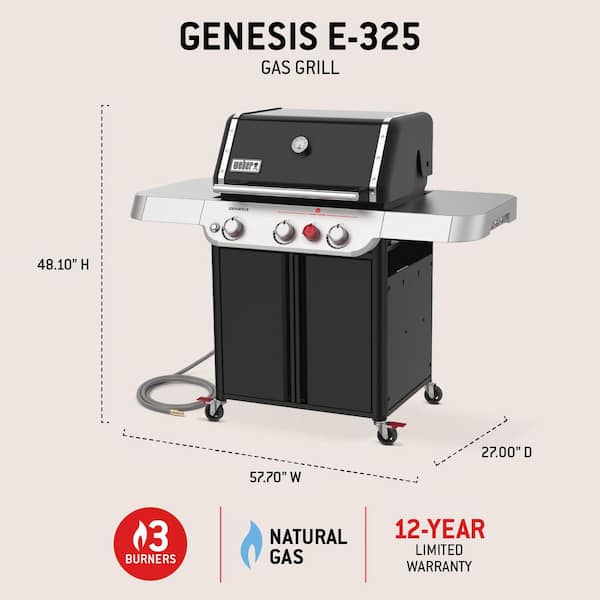
The Weber Genesis E-325 Grill is a three-burner propane gas grill in Weber’s Genesis line. It is made for people who want more cooking space and better heat control than entry-level grills usually provide.
The “E-325s” version is the model most shoppers see today. Some retailers and older listings may shorten the name to Genesis E-325. Features can vary by year, finish, fuel type, and region, so check the product label before buying.
Key features usually include:
• Three main stainless steel burners
• A high-heat sear zone on many E-325s versions
• Porcelain-enameled cast-iron cooking grates
• Weber Flavorizer Bars
• A grease management system
• A side table and built-in tool hooks
• A warming rack
• A closed cabinet for the propane tank and storage
• Weber’s PureBlu burner system on newer models
The main cooking area is about 513 square inches, with an additional warming rack that brings the total cooking space to roughly 669 square inches. That is enough room for a family meal, several steaks, or a mix of burgers, vegetables, and chicken.

Is Weber Genesis E-325 Grill Worth It for the Price?
The Weber Genesis E-325 Grill is worth the price when you use it often and want a grill that can handle many cooking styles. It offers more control, better materials, and stronger heat performance than many low-cost gas grills.
The value becomes clearer when you look beyond the first purchase. A cheap grill may cost less today but need replacement burners, grates, igniters, or a full replacement after only a few seasons. A well-maintained Genesis can stay useful for many years, although no grill is immune to rust or wear.
The Weber Genesis E-325 Grill may not be worth it for everyone. If you grill only a few times each summer, a simpler two-burner model may meet your needs. You may also prefer a charcoal grill if you care most about smoke flavor and enjoy a slower cooking process.
The price is easier to justify if you regularly:
• Cook for four or more people
• Grill steaks, burgers, chicken, fish, and vegetables
• Need two-zone cooking
• Want a strong sear without using a separate cast-iron pan
• Prefer propane convenience
• Plan to keep the grill for several years
A useful way to view the cost is to divide it by the number of meals you expect to cook. If you grill twice each week from spring through fall, the cost per meal can become quite reasonable over time.

Weber Genesis E-325 Grill Cooking Performance
Cooking performance is the main reason the Weber Genesis E-325 Grill gets attention. The three burners let you create direct and indirect heat zones, which is one of the most useful skills in gas grilling.
Direct heat works well for:
• Burgers
• Steaks
• Hot dogs
• Shrimp
• Thin chicken pieces
Indirect heat works better for:
• Thick chicken breasts
• Pork tenderloin
• Ribs
• Large roasts
• Delicate fish
To set up two-zone heat, turn on one or two burners and leave the other side off. Place the food over the cooler area when you need slower cooking. Then move it over the hot zone at the end to add color and crisp edges.
The Genesis E-325 also has a sear zone on many versions. This area creates a concentrated patch of high heat, which helps brown steaks and other foods. It is not magic, though. You still need to preheat the grill, dry the surface of the food, and avoid moving the meat too often.
In practical testing, gas grills often heat faster and offer easier control than charcoal grills. The tradeoff is a lighter smoke flavor. You can add a small smoker box or use a pellet tube, but these methods will not make a gas grill taste exactly like a charcoal cooker.
Heat Control and Temperature Stability
The Weber Genesis E-325 Grill uses separate burner controls, so you can adjust the heat from one side of the cooking surface to the other. This helps prevent a common problem with small grills: food burning before the inside is ready.
The lid thermometer gives you a general idea of the air temperature inside the grill. However, it does not tell you the exact temperature at the cooking grate. For accurate work, use a separate instant-read thermometer for food and a grate-level thermometer for long cooks.
A good preheating routine is simple:
-
Clean the grates with a suitable grill brush.
-
Turn on the burners according to the manual.
-
Close the lid.
-
Preheat for about 10 to 15 minutes.
-
Brush the grates again if needed.
-
Add the food only after the grill reaches the desired heat.
The exact temperature depends on weather, fuel level, burner settings, and how often you open the lid. Wind and cold weather can slow heating, while a dirty grill can create uneven hot spots.
One lesson I would stress to any new gas-grill owner is this: do not judge heat by flame height alone. A steady blue flame is usually more important than a large yellow flame. Yellow flames can point to dirty burner openings, poor airflow, or a fuel problem.

Cooking Space: Is It Large Enough?
For most families, the Weber Genesis E-325 Grill provides enough room. The primary grate can hold several burgers, a full set of chicken pieces, or two large steaks with vegetables.
The warming rack adds useful space, but it should not be treated as a second full-size cooking surface. It works best for warming buns, holding cooked food, or finishing foods that need a little extra distance from the flame.
The grill is a good fit for:
• Couples who like leftovers
• Families of four to six
• Small gatherings
• Weekend meal preparation
• Cooking several food types at once
It may feel limited when you host large parties. A crowd of 10 or more may require multiple cooking batches, especially if you grill thick steaks or large pieces of chicken.
The wide design also requires enough patio space. Measure the grill with its side table fully extended. Leave safe clearance from walls, railings, roof overhangs, and flammable items. Always follow the clearance instructions in the owner’s manual.
Build Quality and Design
Weber has built a strong reputation for practical grill design, and the Genesis E-325 Grill reflects that approach. The cooking grates are heavy and hold heat well. The lid feels solid, and the cart provides useful storage for tools, pans, and cleaning supplies.
The porcelain enamel on the cast-iron grates helps protect the metal and makes cleanup easier. Still, cast iron needs care. Leaving food residue and moisture on the grates for long periods can lead to corrosion.
The open workspace and side table design also make food preparation easier. You can keep a tray, seasoning, thermometer, or spatula close by instead of walking back and forth to the kitchen.
Some buyers dislike the size and weight of the grill. It is not a small balcony unit. Moving it across uneven ground can be difficult, especially when the propane tank is installed. Assemble it carefully, because a rushed assembly can cause loose doors, uneven wheels, or alignment problems.
The Weber Genesis E-325 Grill feels more like a long-term appliance than a temporary outdoor gadget. That is a benefit if you have room for it, but a drawback if storage space is limited.
Fuel Use and Operating Cost
The Weber Genesis E-325 Grill uses propane in its standard configuration. Propane is easy to find, simple to store, and convenient for quick meals. Some Genesis models may be available in natural gas versions, but a propane model should not be converted without approved parts and professional guidance.
Fuel use depends on:
• Cooking temperature
• Preheating time
• Wind and outdoor temperature
• Burner condition
• Grill cleanliness
• How often you open the lid
High-heat searing uses more fuel than low-temperature cooking. A nearly empty propane tank can also create frustration because the grill may heat slowly or lose power during a meal.
Keep a spare tank if you grill often. Store propane outdoors in an upright position and away from heat sources. Never store a propane cylinder inside a home, garage, basement, or enclosed shed.
Compared with a charcoal grill, propane often costs more per cooking session in exchange for speed and control. The right choice depends on whether convenience or smoke flavor matters more to you.
Cleaning and Maintenance
The Weber Genesis E-325 Grill is easier to maintain when you clean it a little after each use. Waiting until grease builds up makes the job harder and can increase flare-up risk.
After cooking:
• Leave the burners on high for a few minutes to burn off loose residue.
• Turn the burners off and let the grill cool.
• Brush the grates with a suitable brush.
• Empty or check the grease tray.
• Wipe spills from the side tables.
Every few cooks, inspect the flavorizer bars and burner tubes. Look for heavy rust, blocked holes, cracks, or unusual flames. Replace damaged parts with the correct components instead of using makeshift repairs.
At least a few times each season:
• Remove and clean the cooking grates.
• Check the grease management system.
• Inspect hoses and connections.
• Look for nests or debris inside the cabinet.
• Wash the exterior with mild soap and water.
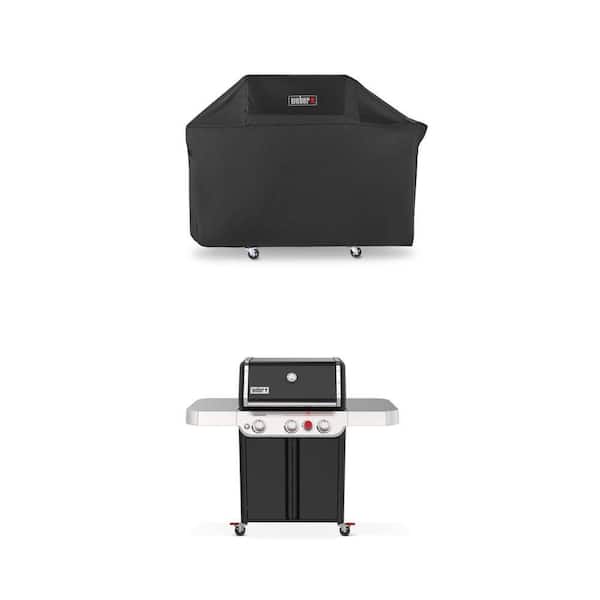
• Use a grill cover that fits and allows airflow.
A cover helps, but it can also trap moisture if the grill is covered while wet. Let the grill dry first. In coastal or humid areas, more frequent cleaning may be needed because salt and moisture speed up corrosion.
Common Problems to Know Before Buying
The Weber Genesis E-325 Grill is not perfect. Knowing its limitations can help you make a better decision.
The price is higher than basic gas grills
You pay for construction, cooking space, warranty support, and design. If your budget is tight, the initial cost may be difficult to justify.
Cast-iron grates require care
They hold heat well but should be cleaned and lightly maintained. Neglect can cause rust and rough cooking surfaces.
The sear zone is not a substitute for technique
It can provide strong heat, but it will not automatically produce a restaurant-quality crust. Dry food, proper preheating, and correct timing still matter.
The grill takes up space
Measure your patio before ordering. Include room to open the lid and use the side table safely.
Replacement parts can be expensive
Weber generally offers replacement components, which is a strength. However, buying several parts at once can cost a meaningful amount.
The lid thermometer has limits
It measures general grill temperature, not the exact heat at every spot on the grate. A separate thermometer gives better information.
These issues do not make the Weber Genesis E-325 Grill a poor choice. They simply show that it rewards regular care and realistic expectations.
Weber Genesis E-325 Grill vs. Cheaper Gas Grills
A basic gas grill may seem similar at first glance. It may have three burners, a lid, and a similar cooking area. The differences often appear after months of use.
The Weber Genesis E-325 Grill generally offers:
• More even heat distribution
• Better control over cooking zones
• A stronger cooking grate system
• More useful storage
• Better access to replacement parts
• A longer track record for support
A cheaper grill may still be the better choice for light use. For example, a renter who grills six times per year may not need the extra features of the Genesis. A homeowner who cooks outside several times a week may appreciate the stronger design.
When comparing prices, look at more than burner count. Check the grate material, warranty, burner quality, replacement part availability, grease system, and actual cooking area.
This comparison is where many shoppers make a mistake. They compare the purchase price but ignore the cost of replacing a weak grill after two or three seasons.
Weber Genesis E-325 Grill vs. Charcoal and Pellet Grills
The Weber Genesis E-325 Grill is best for speed and control. Charcoal and pellet grills offer different strengths.
Gas versus charcoal
Gas starts quickly and produces steady heat. Charcoal takes more time but adds a deeper smoky taste and can reach very high direct heat.
Choose gas if you want:
• Fast weeknight meals
• Easy temperature changes
• Simple cleanup
• Reliable cooking for guests
Choose charcoal if you enjoy:
• Smoke flavor
• Longer cooking sessions
• Hands-on fire management
• Traditional barbecue methods
Gas versus pellets
Pellet grills are popular for low-and-slow cooking. They use an electric auger and wood pellets to create smoke and heat. The Genesis is usually better for fast searing, burgers, and high-heat cooking.
A pellet grill may be better for brisket, pork shoulder, and smoked ribs. It also requires electricity and more attention to electronics, while the Genesis has a simpler control system.
There is no universal winner. The best grill matches your cooking habits, available space, and preferred flavor.
Who Should Buy the Weber Genesis E-325 Grill?
The Weber Genesis E-325 Grill is a strong choice for regular home grillers. It suits people who want dependable propane cooking without building a full outdoor kitchen.
Consider buying it if you:
• Grill at least once or twice per week
• Need room for family meals
• Want strong searing performance
• Like cooking with direct and indirect heat
• Prefer a trusted support network
• Plan to keep the grill for many years
You may want another option if you:
• Have a very small patio
• Grill only a few times per year
• Want strong smoke flavor
• Need a built-in grill
• Want a low-cost starter model
• Prefer smart temperature control
For many households, the Weber Genesis E-325 Grill offers a useful middle ground. It has enough power for serious cooking but does not require the learning curve of a full charcoal or smoker setup.
Practical Buying Tips
Before you buy the Weber Genesis E-325 Grill, take a few simple steps.
-
Confirm the exact model number. Look for the current E-325s listing and check whether it includes the sear zone.
-
Choose propane or natural gas based on your home setup. Do not assume conversion is easy or approved.
-
Measure your cooking area and storage space. Include the open lid and side table.
-
Compare prices across authorized sellers. Promotions may change the value by a large amount.
-
Check assembly options. Careful assembly improves stability and lid alignment.
-
Buy a correctly sized cover. A poor fit can allow water to collect.
-
Add an instant-read thermometer. It is one of the most useful low-cost grilling tools.
-
Plan for routine cleaning. A few minutes after each cook can extend the life of the grill.
If you find a major discount, confirm the warranty terms and make sure the grill is new, complete, and undamaged. Floor models may have scratches, missing hardware, or heavy exposure to weather.
Frequently Asked Questions About Is Weber Genesis E-325 Grill Worth It?
Is Weber Genesis E-325 Grill Worth It for a family of four?
Yes, it is usually more than large enough for a family of four. The primary grate offers room for several burgers, chicken pieces, vegetables, or steaks at the same time.
Does the Weber Genesis E-325 Grill have a sear burner?
Many current Genesis E-325s models include a dedicated high-heat sear zone. Check the exact product listing because features can differ between model years and regional versions.
How long can the Weber Genesis E-325 Grill last?
With regular cleaning, proper cover use, and timely part replacement, it can provide many years of service. The actual lifespan depends on climate, cooking frequency, maintenance, and exposure to moisture.
Is the Weber Genesis E-325 Grill easy to clean?
Yes, routine cleaning is fairly simple because the grates, grease tray, and cooking components are accessible. Cast-iron grates still need regular brushing and care to reduce rust.
Can the Weber Genesis E-325 Grill cook indirectly?
Yes, its separate burners make two-zone cooking possible. Turn on one side, leave the other side off, and place food over the cooler area for slower cooking.
Is the Weber Genesis E-325 Grill good for steaks?
Yes, it can cook excellent steaks when fully preheated and used with the sear zone or a hot direct-heat area. A dry steak surface and a reliable meat thermometer will improve the result.
Does the Weber Genesis E-325 Grill use propane or natural gas?
Most E-325 models sold as portable backyard grills use propane. Natural gas versions may be available in some markets, but the fuel system must match the model and installation requirements.
Conclusion
The Weber Genesis E-325 Grill is worth it for people who grill often and want a durable, flexible propane grill with strong heat control. Its large cooking area, sear zone, sturdy grates, and two-zone setup make it useful for quick dinners and larger weekend meals.
It is not the best choice for every shopper. Occasional grillers may save money with a smaller model, while smoke lovers may prefer charcoal or pellets. Still, the Weber Genesis E-325 Grill offers a strong balance of performance, convenience, and long-term value.
Measure your space, confirm the exact model, compare the current price, and plan for regular care before buying. If those points fit your needs, explore current Weber Genesis options and share your grilling plans or questions in the comments.

