

Gigli pasta, with its beautiful ruffled edges and trumpet-like shape, is a favorite for anyone who enjoys Italian cuisine. Cooking it right brings out its delicate texture and helps it hold sauces perfectly. But just how long should you boil Italian gigli pasta to achieve the best results?
If you’ve ever found your gigli too firm or too mushy, you’re not alone—many home cooks struggle to get this right. Let’s look at the best way to boil gigli pasta so you can serve it al dente every time, along with practical advice, data, and expert tips that will boost your confidence in the kitchen.
What Is Italian Gigli Pasta?
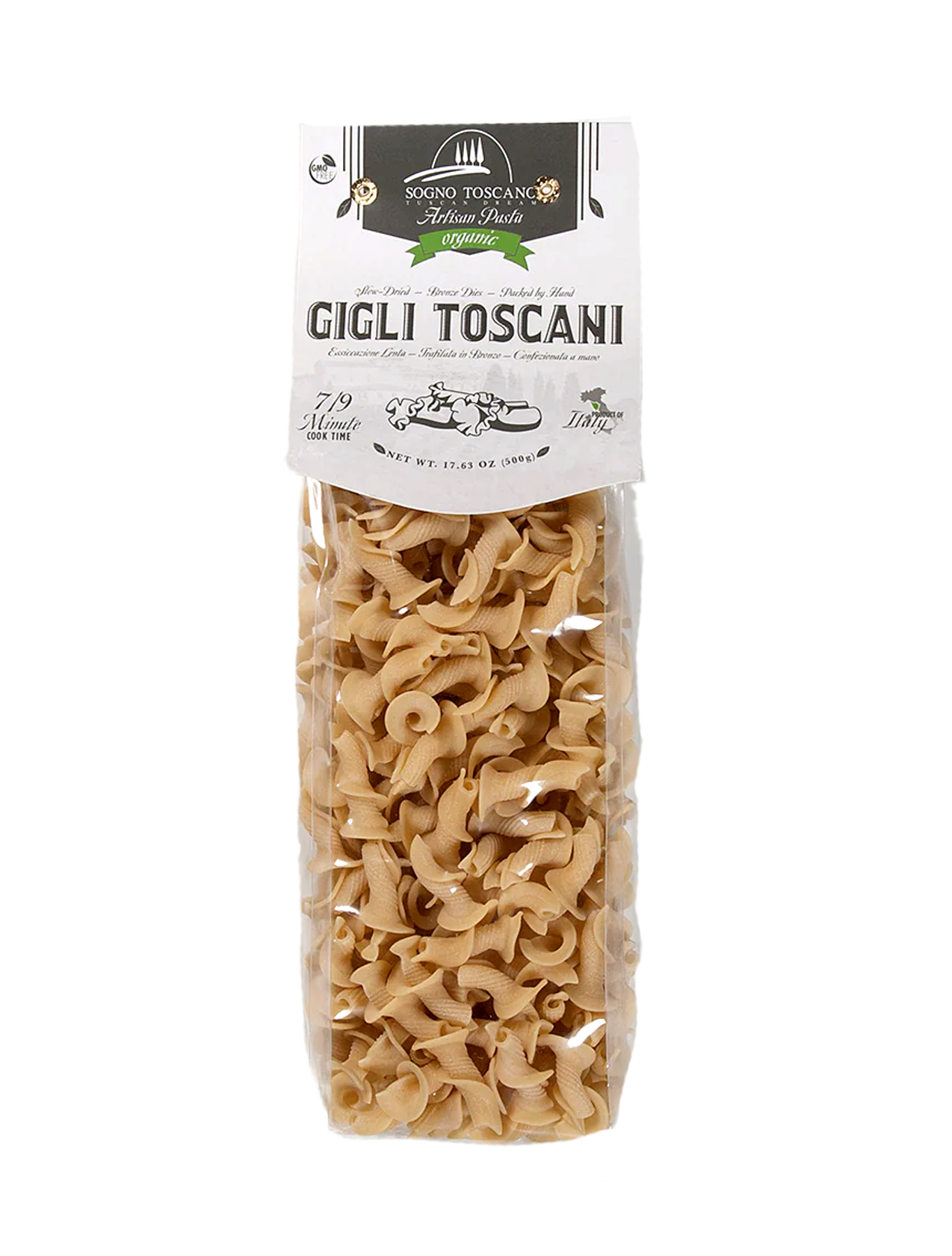
Gigli, sometimes called campanelle, means “lily” or “little bell” in Italian. Its unique shape—like a bell with fluted, curly edges—makes it stand out from more common types like penne or fusilli. The ruffles help the pasta hold onto rich, chunky sauces, making it a popular choice for creamy or vegetable-based dishes.
Gigli is made from durum wheat semolina, which gives it a firm texture after cooking. Because of its thickness and shape, gigli needs a bit more attention when boiling than thinner pastas like spaghetti.
Why Boiling Time Matters
Boiling time is more than just a number on the package. For gigli pasta, timing affects:
- Texture: Overcooked gigli becomes limp and loses its signature bite. Undercooked, it can feel tough and chewy.
- Sauce absorption: Properly cooked gigli holds sauces better, making each bite more flavorful.
- Nutritional value: Overcooking pasta can lower its nutritional quality by breaking down more starch and leaching out water-soluble vitamins.
Cooking gigli al dente (firm to the bite) is the classic Italian way and brings out the best in this pasta.
Standard Boiling Times For Gigli Pasta
Most dried gigli pasta sold in stores recommends a boiling time between 10 and 13 minutes. However, this is just a guideline. Several factors can change the exact time you’ll need:
- Brand: Some gigli is thicker, while others are more delicate.
- Fresh vs. dried: Fresh gigli cooks much faster—sometimes as little as 3 to 5 minutes.
- Altitude: Water boils at a lower temperature at higher altitudes, which can require a slightly longer cooking time.
Here’s a quick comparison of typical boiling times for different types of gigli:
| Type of Gigli Pasta | Recommended Boiling Time |
|---|---|
| Dried Gigli (Store-bought) | 10–13 minutes |
| Fresh Gigli (Homemade or Artisan) | 3–5 minutes |
| Whole Wheat Gigli | 12–15 minutes |
| Gluten-Free Gigli | 8–11 minutes |
Tip: Always check the package, but use your senses—taste and texture are your best guides.
Step-by-step: How To Boil Italian Gigli Pasta
Getting perfect gigli is about more than just the clock. Follow these steps for consistent, delicious results every time:
- Use plenty of water. For every pound of gigli, use at least 4–5 quarts of water. This prevents sticking and helps the pasta cook evenly.
- Add salt generously. Once the water boils, add 1 to 2 tablespoons of salt. This flavors the pasta from the inside.
- Bring to a rolling boil. Wait until the water is bubbling vigorously before adding gigli.
- Stir after adding pasta. This helps separate the pieces and avoids clumping.
- Set your timer. Use the lower end of the recommended time (10 minutes for dried gigli) as a starting point.
- Test for doneness. At the 10-minute mark, taste a piece. Al dente means it should be firm but not hard in the center. Keep checking every 30–60 seconds.
- Reserve some pasta water. Before draining, save half a cup. This starchy water can help thicken your sauce.
- Drain and serve immediately. Don’t rinse gigli unless you’re making a cold salad, as rinsing washes away flavor and starch.
Here’s a side-by-side look at the process for dried and fresh gigli:
| Step | Dried Gigli | Fresh Gigli |
|---|---|---|
| Boiling Water | 4–5 quarts per pound | 4–5 quarts per pound |
| Salt Amount | 1–2 tbsp | 1–2 tbsp |
| Cooking Time | 10–13 minutes | 3–5 minutes |
| Testing for Doneness | After 10 minutes | After 3 minutes |
| Drain & Serve | Immediately | Immediately |
Factors That Affect Boiling Time
Even with a timer, a few things can impact how long gigli takes to cook:
Pasta Thickness And Shape
Gigli’s ruffled, trumpet-like form means it’s thicker in some parts than others. Thicker pasta takes longer to cook, especially if you buy artisan brands or premium imports.
Water Temperature
If the water stops boiling when you add the pasta, it may take a few minutes longer. Always let the water return to a full boil quickly.
Stirring
Gigli can stick together if not stirred in the first minute. Stuck pasta cooks unevenly and can stay hard in the center.
Water-to-pasta Ratio
Too little water makes the temperature drop and the pasta stick. Always use enough water so the gigli can move freely.
Altitude
At higher elevations, water boils at a lower temperature. If you live in the mountains, you may need to add 1–2 extra minutes.
How To Know When Gigli Pasta Is Done
The best test is tasting. Bite into a piece at the earliest recommended time. It should be firm in the center—not crunchy, but not soft. If you see a tiny white dot in the cross-section, it’s almost ready.
Here’s a quick visual guide:
| Texture | Appearance | What to Do |
|---|---|---|
| Undercooked | Opaque, white center, very firm | Cook 1–2 minutes more |
| Al Dente | Uniform color, slight bite | Drain and serve |
| Overcooked | Very soft, edges fraying | Reduce time next batch |
Insight: Many beginners forget that pasta continues to cook for a short time even after draining, especially if you add it to a hot sauce. If you like very firm pasta, stop cooking about 30 seconds before your ideal doneness.
Common Mistakes When Boiling Gigli Pasta
Understanding what not to do can be as helpful as knowing what works. Here are frequent errors to avoid:
- Using too little water: This causes sticking and uneven cooking.
- Skipping the salt: Unsalted pasta tastes bland no matter how good your sauce is.
- Not stirring early: Gigli’s shape can cause it to clump if ignored.
- Trusting only the clock: Always taste-test rather than relying on timing alone.
- Rinsing after draining: Unless you’re making a pasta salad, rinsing removes flavor and starch.
Expert tip: If you want to keep gigli from sticking after draining, toss it with a spoonful of olive oil or a bit of sauce right away.
Cooking Gigli Pasta For Different Dishes
You may want to adjust your boiling time depending on how you’ll use the gigli:
- For hot pasta with sauce: Cook until just al dente, as the pasta will finish softening in the sauce.
- For baked dishes (like pasta casseroles): Undercook by 1–2 minutes so the gigli won’t become mushy after baking.
- For cold salads: Boil until fully tender (but not mushy), then rinse quickly in cold water to stop cooking.
Non-obvious insight: Gigli’s shape makes it perfect for trapping small ingredients like peas or diced vegetables in salads, so slightly softer pasta can enhance texture in these dishes.
Adjusting Boiling Time For Special Diets
If you’re using whole wheat or gluten-free gigli, the boiling time will change. Whole wheat pasta is denser and usually needs a minute or two more than regular. Gluten-free gigli often cooks faster and becomes mushy if left too long, so check early and often.
Pro tip: Gluten-free pasta can stick more easily, so stir it gently during the first few minutes.
Should You Add Oil To The Water?
It’s a common myth that adding oil keeps pasta from sticking. In reality, oil mostly floats on top and doesn’t help much. Stirring is the key to preventing clumps. Save your olive oil for tossing with the cooked gigli after draining.

Comparing Gigli To Other Pasta Shapes
Curious how gigli stacks up against other pastas for boiling time and sauce pairing? Here’s a quick comparison:
| Pasta Shape | Typical Boiling Time | Best Sauce Types |
|---|---|---|
| Gigli (Campanelle) | 10–13 min (dried) | Creamy, chunky, vegetable |
| Penne | 10–12 min | Tomato, meat |
| Fusilli | 9–12 min | Pesto, cheese |
| Spaghetti | 8–10 min | Olive oil, seafood, tomato |
Gigli’s ruffled edges give it an edge with thick, hearty sauces that need a pasta that won’t collapse under their weight.
Final Thoughts On Perfect Gigli Pasta
Boiling Italian gigli pasta is simple once you understand the key factors: use plenty of salted water, stir early, taste-test for doneness, and adjust for your specific dish. Whether you’re cooking for a traditional Italian meal or making a modern pasta salad, following these steps helps you get the perfect texture every time. Remember, it’s better to check early and often than to end up with overcooked noodles—gigli shines brightest when it’s just al dente.
If you want to explore more about the science of pasta cooking, check out this resource from Serious Eats.

Frequently Asked Questions
How Can I Stop Gigli Pasta From Sticking Together?
The best way is to use enough water and stir well in the first minute of cooking. After draining, toss the gigli with a bit of sauce or olive oil to keep it separate.
Does Gigli Pasta Need More Time To Cook Than Penne?
Usually, yes. Gigli’s ruffled edges and thicker center often mean it takes 1–2 minutes longer than penne to become al dente.
Can I Cook Gigli Pasta Ahead Of Time?
You can, but it’s best to cook it just before serving. If you must cook ahead, undercook by 1–2 minutes, toss with oil, and store. Finish cooking in hot sauce or boiling water before serving.
Is It Necessary To Rinse Gigli After Boiling?
No, unless you’re making a cold pasta salad. Rinsing removes starch and flavor, which you want for hot dishes.
What Sauces Work Best With Gigli Pasta?
Gigli is perfect for creamy sauces, chunky tomato sauces, or dishes with vegetables. The ruffles hold thick sauces and mix-ins better than smooth pasta shapes.

