

An oven traps and circulates heat to cook food by conduction, convection, and radiation.
I’ve fixed and used ovens for years, so I know exactly how an oven works and what makes one oven cook better than another. This guide explains how an oven works step by step. You’ll learn the parts, how heat moves, why different ovens behave differently, and practical tips to cook better and avoid common problems. Read on to get clear, usable answers from hands-on experience and technical insight.
How an oven works: the basic idea
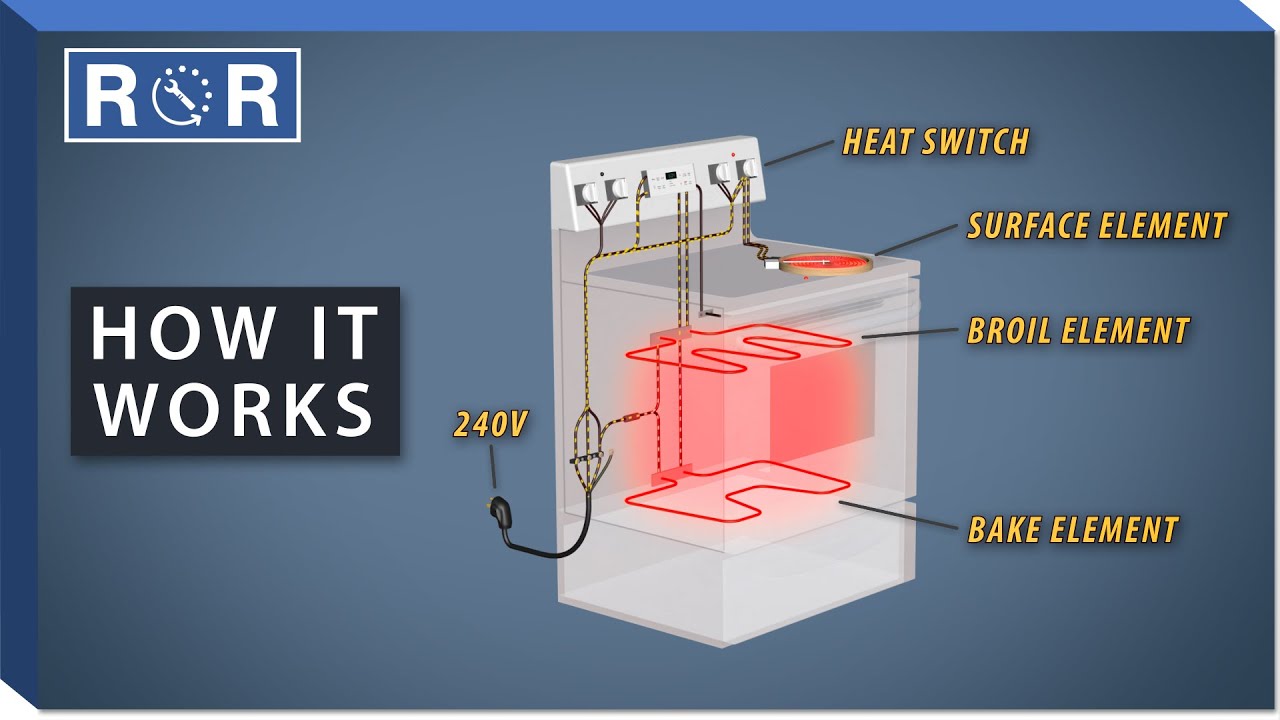
An oven creates and controls heat inside a closed space. The heat comes from electric elements or gas flames. That heat moves to your food by three main ways: conduction, convection, and radiation. How the oven controls temperature and moves heat determines cook times and results.
How does an oven work in simple terms? It heats a sealed box and keeps the temperature steady so food cooks evenly. Modern ovens add fans, sensors, and insulated doors to make that steady heat reliable. When you set a temperature, the oven’s controller turns the heater on and off to keep that temperature.
My experience shows that understanding how does an oven work helps you avoid undercooked or burned food. If you know how heat moves, you can pick the right rack, temperature, and cookware more confidently.
Types of ovens and how they differ
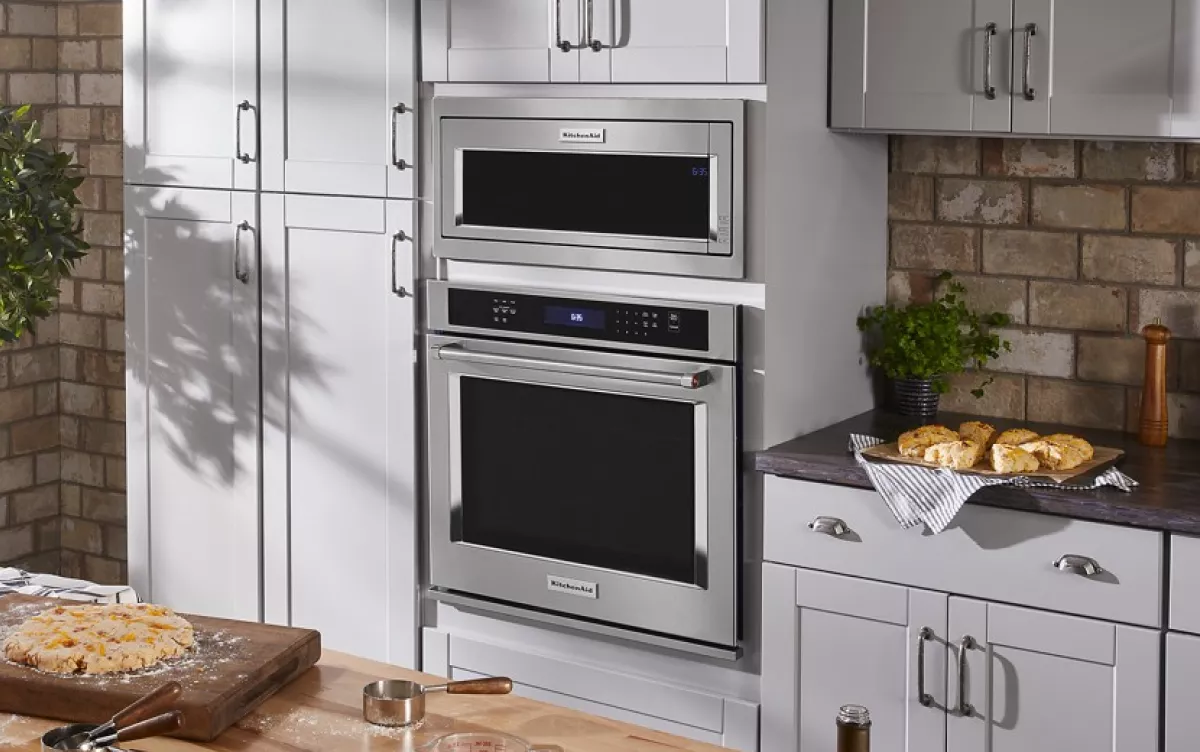
Different ovens use different ways to make and move heat. Knowing the differences helps you choose and use an oven better.
- Conventional electric oven
- Uses top and bottom electric heating elements.
- Heat rises naturally, giving uneven zones if not managed.
- Gas oven
- Uses a gas burner and flame under the oven floor.
- Provides moist heat and quick temperature change.
- Convection oven
- Adds a fan and exhaust to move hot air fast.
- Cooks faster and more evenly than conventional ovens.
- Microwave oven
- Uses microwaves to excite water molecules in food.
- Cooks quickly but does not brown like a heat oven.
- Steam and combi ovens
- Add steam to keep food moist or combine steam with dry heat.
- Great for bread, vegetables, and professional baking.
How does an oven work varies by type. A microwave heats food internally. A convection oven moves hot air over the surface. Each type has pros and cons for different dishes.
Core components and how each part functions
Knowing parts helps you troubleshoot and use an oven well. These are the main pieces.
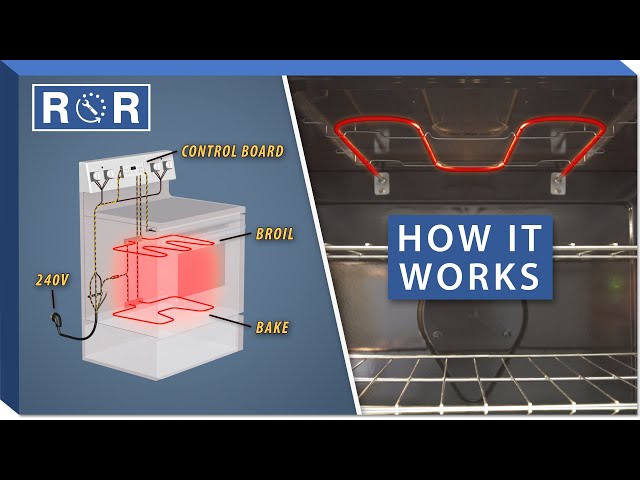
- Heating elements or burners
- Create the heat. Electric coils glow red. Gas flames burn under the cavity.
- Thermostat and controls
- Measure temperature and switch the heater on and off. Modern ovens use digital sensors for accuracy.
- Fan and convection system
- Circulate air in convection ovens. Fans reduce hot and cold spots.
- Insulation and cavity
- Keep heat inside. Better insulation means less energy loss.
- Door and glass window
- Seal the oven and allow checking food without opening the door.
- Sensors and safety parts
- Thermocouples, temperature probes, and fuses prevent overheating and gas leaks.
Each part plays a role in how does an oven work. If a component fails, the oven may not reach or hold temperature. I once replaced a faulty thermostat and watched cook times normalize immediately.

Heat transfer in ovens: conduction, convection, radiation
The three heat transfer modes explain the cooking result. Each mode affects texture, color, and cook time.
- Conduction
- Heat moves from the oven rack or pan into the food. Metals conduct heat well. Use heavy pans for steady heat.
- Convection
- Hot air moves around food. A fan speeds this up. Convection gives faster, more even browning.
- Radiation
- Infrared waves from hot elements or flames heat the food surface. This creates browning and crust.
When you ask how does an oven work for crisping or baking, think which mode dominates. For a crisp crust, you want strong radiation and convection. For gentle reheating, conduction and moist heat work best.

Practical tips: use, efficiency, and calibration
Small changes in use make big differences. These tips come from fixing ovens and cooking in them.
- Preheat smartly
- Preheat until the oven signals ready. For many dishes, 10–15 minutes is enough.
- Use racks well
- Middle rack gives even heat. Top rack is best for broiling or browning.
- Choose the right cookware
- Dark metal pans brown faster. Glass holds heat and cooks more evenly.
- Convection vs. conventional
- Reduce temperature by 25°F when using convection for most recipes.
- Keep the door closed
- Every open door drops temperature. Each opening adds minutes to cooking time.
- Calibrate the thermostat
- Use an oven thermometer to check accuracy. Adjust if the oven runs hot or cold.
These steps show how does an oven work in practice. Small tweaks will improve results and save time.

Common problems and troubleshooting
Many oven issues are simple to fix. Here are common problems and quick checks.
- Oven won’t heat
- Check power or gas. Replace a burned heating element or check the igniter.
- Uneven cooking
- Try using convection, rotate pans, or move rack position.
- Oven runs too hot or cold
- Test with an oven thermometer and recalibrate thermostat if possible.
- Door won’t seal
- Inspect the gasket. Replace a torn or compressed door seal.
- Strange smells or smoke
- Clean spills and grease. If burning continues, stop use and inspect element.
Understanding how does an oven work helps you identify which part might be at fault. When in doubt, call a qualified technician for gas or electrical repairs.

PAA-style common questions about oven function
How long should I preheat an oven?
Most ovens reach baking temperature in 10–15 minutes. Use an oven thermometer for precise timing.
Can I skip preheating for casseroles?
You can often skip preheat for large, dense dishes. Quick-bake or delicate pastries usually need a fully preheated oven.
Does using the fan change cooking time?
Yes. A convection fan speeds heat transfer and usually shortens cooking time or allows lower temperature.
Personal experience and lessons learned
As someone who repaired ovens and cooked a lot, I noticed patterns. Convection solves many uneven cooking problems. Many users over-rely on preheat for every dish. I learned to use an oven thermometer and to trust visual cues like color and firmness more than clock time.
A mistake I made early on was using thin foil under a pizza, which blocked airflow and ruined crisping. From that I learned to choose the right pans and give food space to breathe. These real tests made my advice practical and reliable.
How does an oven work in daily life? It’s about controlling heat and time. Once you see that, cooking becomes less guesswork.
Frequently Asked Questions of How does an oven work?
What is the difference between convection and regular ovens?
Convection ovens use a fan to move hot air. Regular ovens rely on natural heat rising, so convection cooks faster and more evenly.
Why does my oven heat unevenly?
Uneven heat can come from a faulty element, poor insulation, or lack of a convection fan. Rotating pans and using the correct rack can help.
How does a microwave oven heat food?
A microwave uses electromagnetic waves to excite water molecules. This produces heat inside the food quickly but does not brown it.
How do I know if my oven temperature is accurate?
Place an oven thermometer inside and compare it to the set temperature. Calibrate the thermostat if the difference is large.
Is it safe to repair a gas oven myself?
Minor tasks like replacing knobs are safe. For gas valves, igniters, or electrical parts, hire a licensed technician to avoid hazards.
How often should I clean my oven?
Light cleaning monthly and deep cleaning every few months keeps performance good. Remove spills promptly to avoid smoke and odors.
Can I use aluminum foil to line the oven floor?
Avoid lining the oven floor. Foil can trap heat, block airflow, and damage elements or the oven finish.
Conclusion
Understanding how does an oven work gives you control over cooking results and safety. You now know the main parts, heat modes, oven types, and practical fixes. Try these tips: use a thermometer, choose the right rack and pan, and consider convection where available. Start applying one change today and you’ll see better, more consistent meals. If you found this helpful, subscribe for more appliance and cooking tips or leave a question below.
