

Is Italian Gigli Pasta The Same As Campanelle?
If you wander down the pasta aisle in an Italian grocery store or browse recipes online, you may come across two beautiful pasta shapes: gigli and campanelle. Their ruffled edges and flower-like forms are eye-catching, but are they really the same thing? Or does each have its own history, use, and character? For anyone who loves cooking or just enjoys eating pasta, understanding these differences can make your next meal even more special.
Let’s break down what makes gigli and campanelle unique, how they compare, and which recipes suit each one best. You’ll learn some surprising facts, get a clear answer to the main question, and pick up tips that even experienced cooks sometimes miss.
What Is Gigli Pasta?
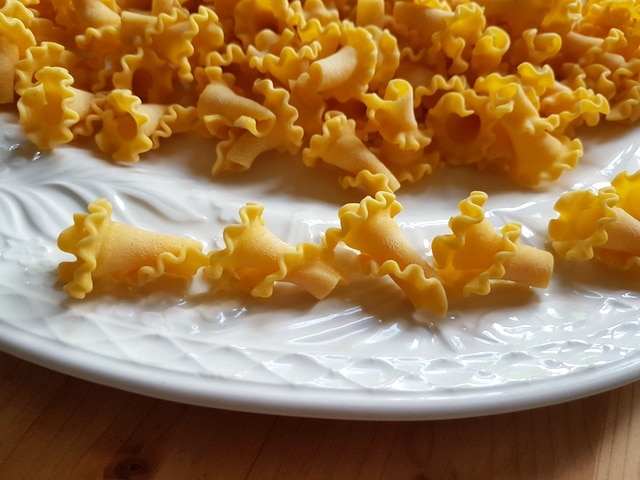
Gigli (pronounced “JEEL-yee”) is a short, fluted pasta that often looks like a lily or a bellflower. In Italian, “gigli” means “lilies,” and the pasta’s shape was inspired by the flower. You might also see it called gigli toscani (Tuscan lilies), especially in the region of Tuscany, where it’s popular.
Gigli pasta has:
- A fluted, ruffled edge
- A hollow center that opens at one end
- A shape that resembles a little flower or bell
This design isn’t just for looks. The curves and ruffles catch sauce beautifully, making every bite flavorful. Traditionally, gigli was made by hand, but today you’ll find it made with bronze dies for a rough, sauce-grabbing texture.
What Is Campanelle Pasta?
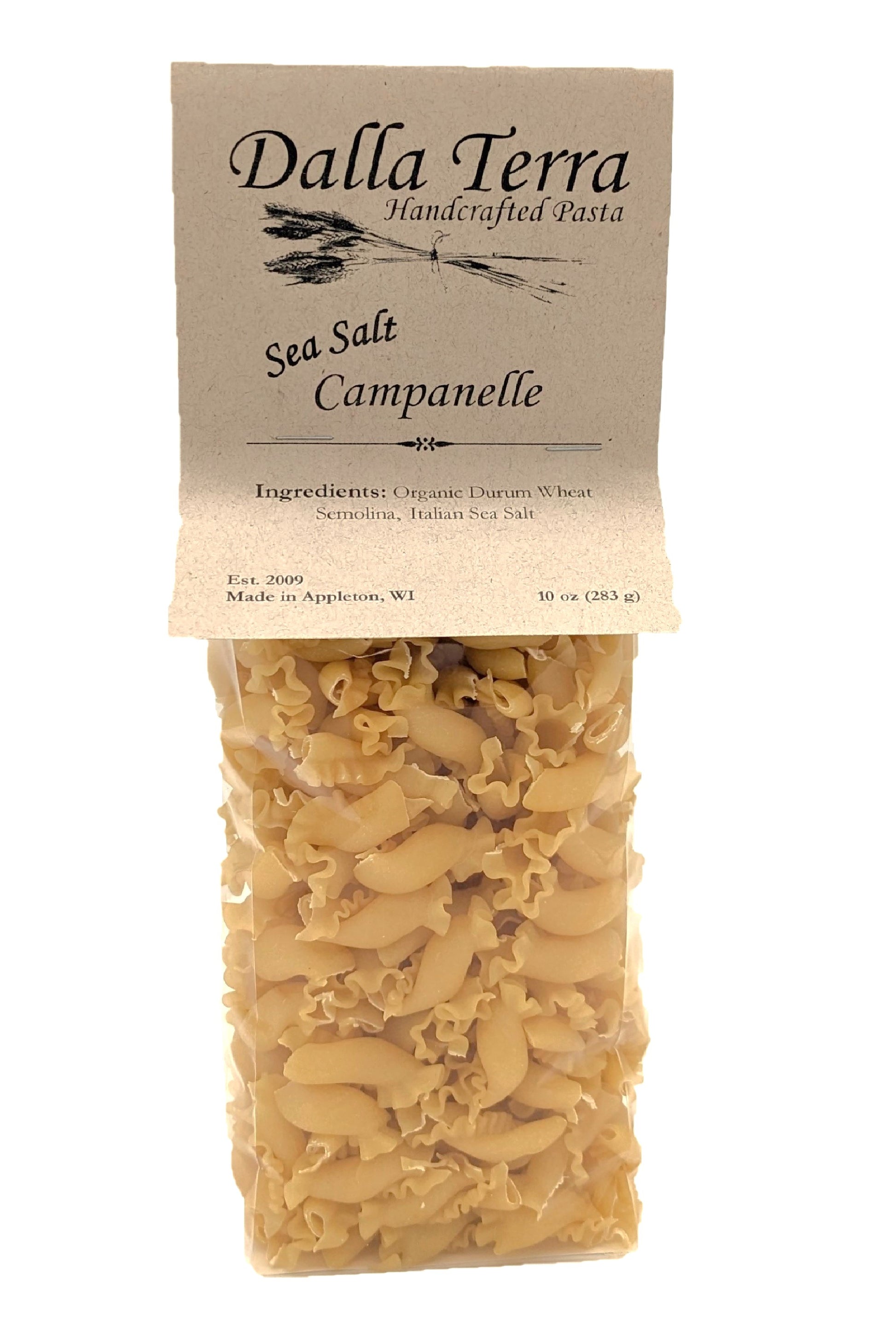
Campanelle (pronounced “kam-pa-NELL-eh”) means “little bells” in Italian. Like gigli, it’s a short pasta with a flared, ruffled edge, but the way it’s rolled and the final shape can be a bit different.
Campanelle pasta usually features:
- A cone-like tube with a slightly curled or ruffled edge
- A hollow center that holds sauce
- A shape similar to a small bell or trumpet
Some brands label this pasta as “riccioli” or “bellflower.” The main idea is always the same: a curly, bell-like pasta that holds thick sauces well.
The Similarities: Why People Confuse Them
It’s easy to see why gigli and campanelle get confused:
- Both have a flower or bell shape with ruffled edges.
- Both names mean “little bells” or “lilies.”
- Both are short, rolled pasta shapes.
- Both are often used with chunky sauces, baked dishes, or pasta salads.
In fact, in many US grocery stores, gigli and campanelle are used interchangeably on packaging. Some brands call their pasta “campanelle” while others use “gigli” for almost the same shape. Even Italian chefs sometimes use the names for the same pasta.
The Key Differences: Shape, Origin, And Use
While they look alike, there are real differences. Here’s how gigli and campanelle compare:
| Feature | Gigli | Campanelle |
|---|---|---|
| Literal Meaning | Lilies | Little bells |
| Shape | Flower/bell-shaped, wider “petals” | Bell or trumpet shape, tighter ruffle |
| Origin | Tuscany | Varies, but not tied to one region |
| Common Uses | Ragù, creamy sauces, baked dishes | Chunky tomato sauces, casseroles, salads |
| Availability | More common in Italy, some US brands | Widely available in the US |
Shape Differences Up Close
If you look closely, gigli’s “petals” are a bit wider and sometimes more open, while campanelle is usually a tighter, trumpet-like tube with a flared edge. Some pasta makers blur the lines, but traditional gigli is more floral and campanelle more like a bell or trumpet.
Regional Roots
Gigli is strongly associated with Tuscany, where the lily is a symbol of Florence. Campanelle doesn’t have one regional home; it appears in different parts of Italy under different names. This regional connection gives gigli a bit more history and tradition in certain Italian recipes.
Culinary Uses
Both shapes are excellent for thick or chunky sauces because their folds and hollows trap flavor. But gigli, being more open, can sometimes hold larger pieces of vegetables or meat. Campanelle’s tighter shape is especially good for baked dishes and hearty ragùs.
Are They The Same Pasta?
In simple terms: No, gigli and campanelle are not exactly the same pasta.
They are extremely similar in size, texture, and how you cook with them. In everyday cooking, you can usually swap one for the other without ruining a recipe. But if you want to be true to Italian tradition or impress a food lover, there are subtle differences in shape and history.
Here’s another way to see it:
| Aspect | Gigli | Campanelle | Can Substitute? |
|---|---|---|---|
| Shape | Wide, open petals | Tighter, bell-like | Yes |
| Regional Identity | Strong (Tuscany) | Weak | Usually |
| Traditional Dishes | Tuscan ragù, creamy sauces | Baked pasta, chunky sauces | Yes |
| Supermarket Labeling | Often called campanelle | Often called gigli | Yes |
How To Choose: Gigli Or Campanelle?
If you see both on the shelf, which should you pick? Here’s how to decide:
- Check the Recipe: If a dish asks for gigli or campanelle, either will work, but use gigli for authentic Tuscan dishes.
- Sauce Type: For creamy or chunky meat sauces, both are perfect. If you want a pasta salad or baked dish, campanelle’s tighter shape might hold up better.
- Presentation: Gigli’s flower-like look is more dramatic. If you want to impress guests, go for gigli.
- Ingredient Size: Gigli holds larger pieces of meat or vegetables; campanelle is better for smaller chunks.
- Availability: In the US, you might only find one or the other. Don’t worry—use what you can get.
Cooking Tips For Gigli And Campanelle
Getting the best from these pastas isn’t just about the sauce. Here are tips for perfect results:
- Salt the water well. Italians use about 1–2 tablespoons of salt per 4 quarts of water. This brings out the pasta’s flavor.
- Stir gently in the first 2 minutes. Both shapes can stick together if you don’t stir early.
- Cook to al dente. Gigli and campanelle can get mushy if overcooked. Start tasting 2 minutes before the package time.
- Reserve some pasta water. The starchy water helps sauces cling to the ruffled edges.
- Toss with sauce immediately. Don’t let the pasta sit and dry out; mix it right into your sauce for the best texture.
Popular Recipes For Each Shape
Both gigli and campanelle shine in certain recipes. Here are ideas to try:
Classic Gigli Dishes
- Gigli alla Fiorentina: A creamy spinach and cheese sauce, inspired by Florence.
- Tuscan Ragù Gigli: Slow-cooked beef or wild boar ragù tossed with gigli.
- Gigli with Pesto: The folds trap every bit of pesto for a burst of flavor.
Favorite Campanelle Recipes
- Campanelle with Sausage and Broccoli Rabe: A hearty, peppery dish.
- Campanelle Pasta Bake: Mixed with cheese, tomato sauce, and baked until golden.
- Campanelle Pasta Salad: The shape holds vinaigrette and diced veggies perfectly.
Can You Swap Them?
Absolutely. Unless a recipe is very traditional or for a special event, you can use gigli and campanelle interchangeably. The sauce and ingredients matter more than the exact shape.
Surprising Insights Most Beginners Miss
- Brand Variations: Some brands call their pasta gigli, others call the same shape campanelle—even in Italy. Always look at the shape, not just the name.
- Cooking Time: Because of the ruffles and thickness, both shapes can take longer to cook than smooth pasta like penne. Don’t rely only on the package; taste test for doneness.
- Presentation Impact: The difference is subtle, but gigli’s wider petals can look more elegant on a plate. It’s a small touch that can make a dinner party dish stand out.
The Pasta Maker’s Angle: Why The Confusion?
Pasta makers often use the same dies and machines for both shapes, especially when selling outside Italy. That’s why you may see “gigli” and “campanelle” used for shapes that look nearly identical. This isn’t a mistake—it’s a practical choice for marketing and production.
But in artisan pasta shops or high-end Italian groceries, you’ll find gigli with more pronounced “petals” and a delicate look, while campanelle are tighter and more trumpet-like.
Nutrition And Ingredient Facts
Both gigli and campanelle are made from similar ingredients:
- Durum wheat semolina and water (standard)
- Eggs (sometimes added in artisan versions)
- No significant nutrition difference between the two shapes
A typical serving (2 oz dry, about 56g) provides:
- 200 calories
- 1g fat
- 7g protein
- 42g carbohydrates
Whole-wheat or gluten-free versions are also available. Always check the label for special dietary needs.
Where To Buy Gigli And Campanelle
In the United States, campanelle is easier to find in supermarkets, often sold by brands like Barilla or De Cecco. Gigli is more common in Italian specialty stores or online.
If you want to order real Italian gigli, look for artisanal producers or importers. Some shops sell both under the same name, so use your eyes, not just the label.
For more on pasta shapes and Italian cuisine, you can visit the Wikipedia list of pasta.
Frequently Asked Questions
Is Gigli Pasta The Same As Campanelle?
No, they are not exactly the same. While both are ruffled, flower-like short pastas, gigli is shaped more like a lily with wider petals, and campanelle is shaped like a small bell or trumpet. They are often used interchangeably, but there are subtle differences in shape and tradition.
Can I Substitute Gigli For Campanelle In Recipes?
Yes, you can substitute one for the other in almost any recipe. Both shapes hold chunky sauces well and cook in a similar time. The difference is mostly about presentation and tradition.
Why Do Some Brands Use The Names Gigli And Campanelle For The Same Pasta?
Branding, marketing, and regional differences cause this confusion. Some pasta makers use the names interchangeably, especially outside Italy, because the shapes are so similar. Always check the pasta’s actual look, not just the label.
What Sauces Are Best For Gigli And Campanelle?
Both are great for thick, hearty sauces—like ragù, creamy cheese sauces, or chunky vegetable sauces—because their folds and hollows trap sauce. Gigli can also handle larger ingredients, while campanelle is perfect for baked pasta and salads.
Is There A Nutritional Difference Between Gigli And Campanelle?
No, both are made from similar ingredients—usually durum wheat semolina and water. Nutrition facts are nearly identical. Differences only arise if you choose a whole-wheat or gluten-free version.
Pasta lovers have debated these shapes for years, but now you know the facts. Whether you use gigli or campanelle, you’ll enjoy a beautiful, sauce-catching pasta that makes any meal memorable. Next time you cook, you’ll have a story to tell about what’s on your plate—and maybe even impress your friends with your pasta knowledge.

