

What Is Italian Gigli Pasta?
Italy is famous for its pasta, with more than 300 unique shapes made across the country. Among these, gigli pasta stands out for its beautiful design and special place in Italian cuisine. If you walk into an Italian specialty store or search for new recipes online, you might find this flower-shaped pasta and wonder: what makes gigli pasta different? Why do some chefs choose gigli instead of more common shapes like penne or fusilli? Let’s explore the world of gigli pasta, from its history and uses to cooking tips and how it compares with other pasta types.
The Origins And Meaning Of Gigli Pasta
Gigli pasta, also called campanelle in some regions, comes from the Italian word “giglio,” which means “lily.” This name is no accident. Gigli pasta is shaped like a small, fluted flower with ruffled edges and a hollow center. The pasta is twisted to look like a lily blossom or a small bell, which explains its other name, “little bell.”
This pasta shape comes from Tuscany, a region in central Italy known for its rolling hills and rich culinary traditions. Gigli is not as old as spaghetti or penne, but it has a long connection to local Tuscan recipes. The flower shape is a nod to Florence, whose city symbol is a red lily. Some say gigli pasta was created to honor this local flower and bring beauty to the dining table.
What Makes Gigli Pasta Unique
Gigli pasta is different from other shapes in both appearance and function. Its ruffled edges and hollow center are not just for looks—they help hold sauce better than many smooth pastas. The folds and curves trap chunks of meat, cheese, or vegetables, making every bite flavorful.
Let’s compare gigli with a few other common pasta shapes:
| Pasta Shape | Appearance | Best Uses |
|---|---|---|
| Gigli (Campanelle) | Flower or bell-shaped, ruffled edges | Thick sauces, baked dishes, creamy sauces |
| Penne | Short tubes, cut at an angle | Simple tomato sauce, baked pasta, salads |
| Fusilli | Spirals or corkscrews | Pesto, chunky vegetable sauces |
| Farfalle | Bow-tie shaped | Light cream sauces, cold pasta salads |
The gigli shape stands out for its versatility. It can be used in both elegant dishes and simple home cooking. The unique form also adds a decorative touch to meals, making it a favorite for special occasions.
How Gigli Pasta Is Made
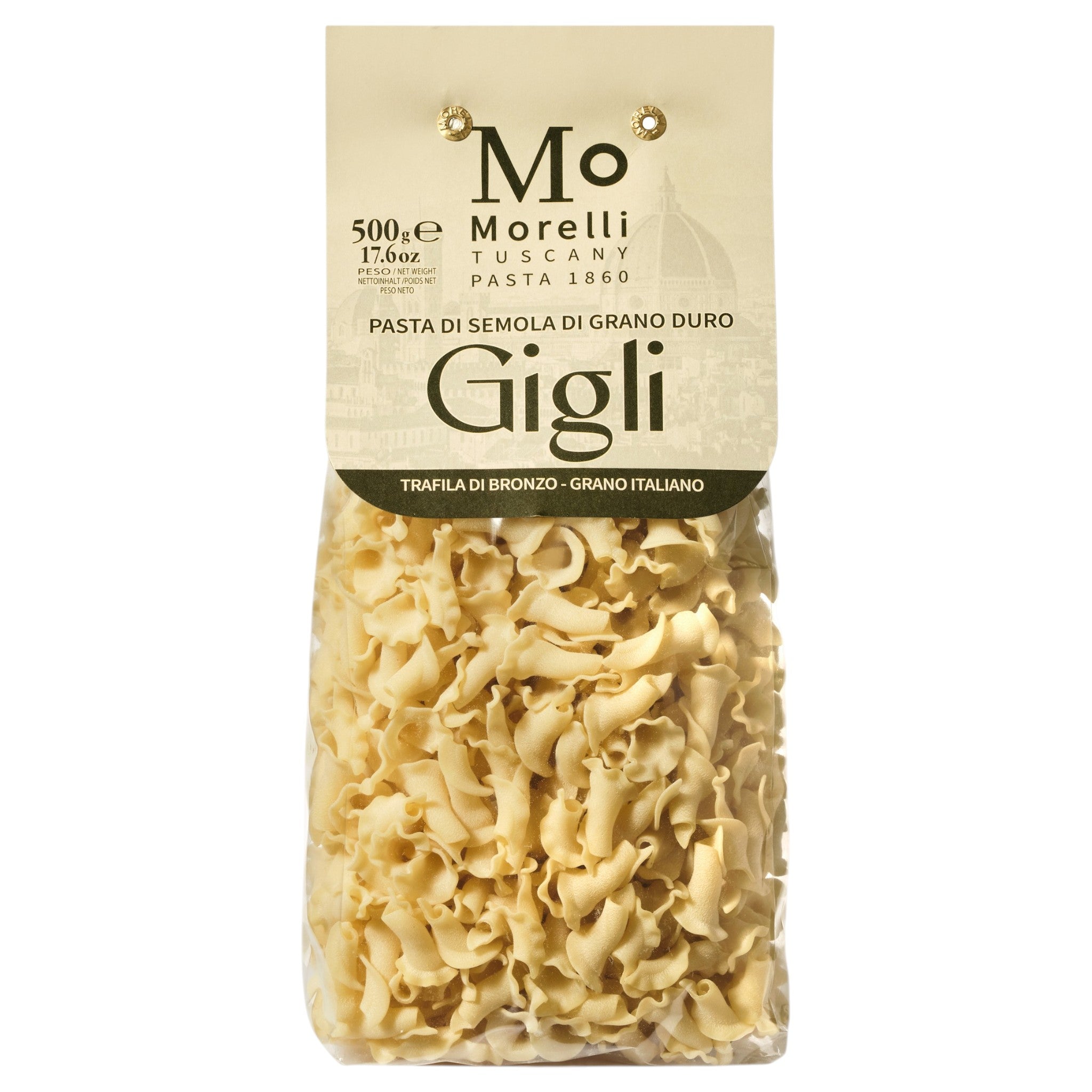
Traditional gigli pasta is made from durum wheat semolina and water, like most Italian dry pasta. The dough is rolled and pressed through molds to get the flower shape, then cut to create the ruffled edges and bell form.
Some artisanal producers use bronze dies for shaping, which gives the pasta a rough texture. This roughness helps sauce cling better to the surface. You can find gigli pasta both as dried pasta in stores and as a fresh version in Italian markets or specialty shops.
While most gigli pasta you’ll find in stores is dried, making it at home is possible if you have the right tools. However, the flower shape requires skill and patience. Most home cooks prefer to buy it ready-made.
When To Use Gigli Pasta
Gigli pasta is not just for show. Its shape makes it ideal for holding hearty sauces and ingredients. Here are some of the best uses for gigli pasta:
- Rich Meat Sauces: The curls and hollow center trap ground meat, sausage, and chunky vegetables.
- Cheesy Bakes: Gigli works well in baked pasta dishes, as the edges stay firm and the shape keeps its structure.
- Cream or Tomato Sauces: The ruffles hold creamy or thick tomato sauces, delivering more flavor in each bite.
- Vegetable Sauces: Chopped or roasted vegetables fit perfectly inside the curves.
- Cold Pasta Salads: The shape holds dressings and small ingredients, making for a balanced salad.
A non-obvious tip is to use gigli in soups with larger vegetables or beans. The pasta’s structure doesn’t fall apart easily, and the hollow center fills with broth, adding texture.
Popular Gigli Pasta Recipes
Gigli pasta can be used in many classic and modern Italian dishes. Here are three examples that show its strengths:
1. Gigli Alla Fiorentina
This dish combines gigli pasta with spinach, ricotta, and a light tomato sauce. The ruffled edges catch the creamy cheese and leafy greens, making each bite balanced and flavorful.
2. Baked Gigli With Sausage And Peppers
For this hearty dish, gigli pasta is mixed with Italian sausage, roasted bell peppers, and a spicy tomato sauce, then topped with mozzarella and baked until golden. The flower shapes hold the sausage and sauce, delivering a satisfying bite.
3. Gigli With Pesto And Sun-dried Tomatoes
A lighter option, this recipe uses basil pesto, sun-dried tomatoes, and toasted pine nuts. The pasta’s curves catch the pesto, while the sun-dried tomatoes add a burst of flavor.
Each of these dishes highlights how gigli pasta works well with both creamy and chunky sauces.
Cooking Tips For Perfect Gigli Pasta
Even experienced cooks can make mistakes with gigli pasta. Here are some practical tips to help you get the best results:
- Use Plenty of Water: Gigli pasta has a complex shape. Boil in a large pot with lots of water to prevent sticking.
- Stir Gently but Often: The ruffles can trap air and stick together if not stirred during the first few minutes.
- Salt the Water: Use about 1 tablespoon of salt per 4 quarts of water. This is your chance to season the pasta.
- Test for Doneness: Gigli pasta is ready when it is firm but not hard (al dente). Overcooking will cause the ruffles to fall apart.
- Drain but Don’t Rinse: Draining keeps the starch, which helps sauce stick. Only rinse if using in a cold salad.
A common mistake is undercooking the center of the gigli. Because of its thick folds, the center may need a little more time. Test by biting into the thickest part before draining.
Nutritional Value And Dietary Considerations
Like most Italian pasta, gigli is made from semolina wheat, which is high in carbohydrates and low in fat. A typical serving (about 2 ounces dry, or 56 grams) has:
- Calories: 200
- Protein: 7 grams
- Carbohydrates: 42 grams
- Fiber: 2 grams
- Fat: 1 gram
Some producers make whole-wheat or gluten-free gigli. These options are good for people with dietary restrictions but may have a different taste and texture.
If you want more protein, try adding beans, lean meat, or cheese to your gigli dish. For lower calories, fill the dish with vegetables and use lighter sauces.
Where To Buy Gigli Pasta
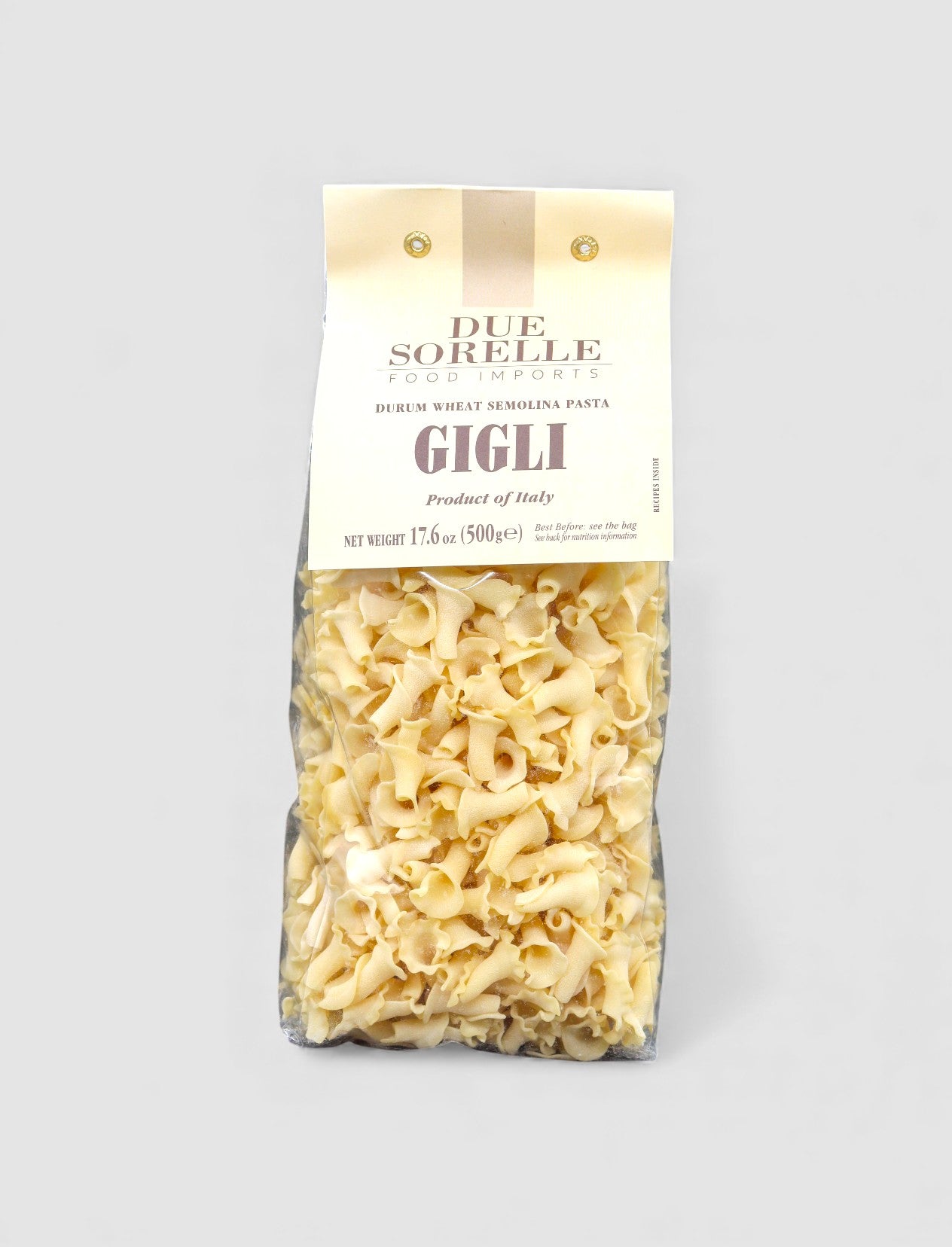
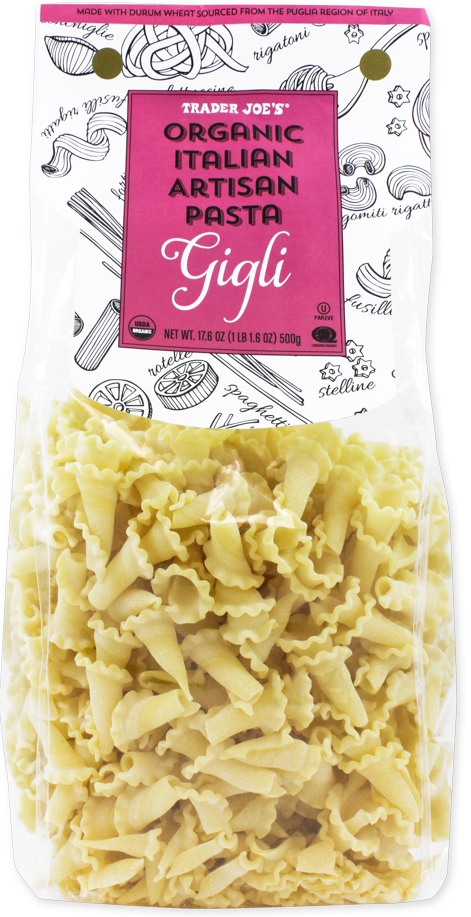
Gigli pasta is not as common as spaghetti or penne, but it’s widely available in Italian grocery stores and online. Some popular brands include De Cecco, Garofalo, and Rustichella d’Abruzzo. Artisanal producers from Tuscany also sell gigli pasta in specialty shops.
If you’re traveling in Italy, you may find fresh gigli pasta in markets, especially in Florence or Siena. Fresh gigli has a softer texture and cooks faster than dry pasta.
For online shopping, look for trusted Italian food retailers or large e-commerce sites. Check reviews to make sure you’re getting authentic gigli pasta.
Gigli Pasta Vs. Other Pasta Shapes
Choosing the right pasta shape can change your dish. Here’s how gigli compares to other popular pasta shapes for different uses:
| Dish Type | Gigli | Penne | Fusilli | Farfalle |
|---|---|---|---|---|
| Chunky Meat Sauce | Excellent | Good | Average | Poor |
| Creamy Sauce | Excellent | Good | Good | Good |
| Baked Pasta | Excellent | Excellent | Poor | Poor |
| Pasta Salad | Good | Excellent | Excellent | Excellent |
Gigli pasta’s design makes it a top choice for thick and creamy sauces. However, its shape is less suited to very light or brothy sauces, where delicate pastas like angel hair work better.
Non-obvious Uses For Gigli Pasta
Most people use gigli pasta in hot dishes, but its design opens up creative uses:
- Stuffed Gigli: Some chefs fill the hollow center with cheese, ground meat, or pureed vegetables before baking.
- Miniature “Lasagna”: Layer gigli pasta with sauce and cheese in small ramekins for a playful twist on classic lasagna.
- Gigli in Broth: Use gigli in rich broths with beans, greens, or seafood. The shape holds broth and adds texture.
Trying these ideas can make your meal stand out and show off gigli’s versatility.
How To Store And Handle Gigli Pasta
Proper storage keeps pasta fresh and prevents spoilage:
- Dry gigli pasta should be stored in a cool, dry place in a sealed container. It can last up to two years if kept away from moisture.
- Fresh gigli pasta should be kept in the refrigerator and used within 2-3 days. It can also be frozen for up to three months.
If you buy gigli in bulk, divide it into smaller containers to prevent moisture from getting in. Never store cooked pasta with sauce for more than 2 days, as it may turn mushy.
The Cultural Significance Of Gigli Pasta
Gigli pasta is more than just a shape—it represents Tuscany’s food culture and the Italian love for beautiful, practical food. In Florence, the lily flower is a symbol of pride, history, and identity. Serving gigli pasta is a way for families to connect with their roots and celebrate special occasions.
In some Italian weddings and festivals, gigli pasta is served as a sign of good luck and new beginnings, echoing the meaning of the lily flower in Italian art and history.
Frequently Asked Questions
What Sauces Work Best With Gigli Pasta?
Gigli pasta is best with thick, chunky sauces like meat ragu, sausage and peppers, or creamy cheese-based sauces. The ruffled edges and hollow center catch the sauce, making each bite flavorful.
Is Gigli Pasta Gluten-free?
Most gigli pasta is made from wheat semolina, so it contains gluten. However, some brands make gluten-free versions using rice, corn, or other flours. Always check the packaging if you have gluten sensitivity.
How Do You Pronounce “gigli”?
“Gigli” is pronounced JEE-yee in Italian. The “gl” sound is soft, similar to “million” in English, but with a slight “y” sound.
Where Can I Buy Authentic Gigli Pasta Outside Italy?
You can find gigli pasta in Italian specialty stores, some supermarkets, and online retailers like Eataly. Always check the product origin and reviews for authenticity.
Can I Make Gigli Pasta At Home?
It’s possible, but gigli pasta is challenging to shape by hand. It requires special molds or tools. Most home cooks prefer buying dried or fresh gigli from stores.
Gigli pasta brings both beauty and function to your kitchen. Its unique design, ability to hold rich sauces, and connection to Italian culture make it a favorite for both everyday and special meals. Next time you want to impress your guests or try something new, reach for gigli pasta and enjoy a taste of Tuscany.

