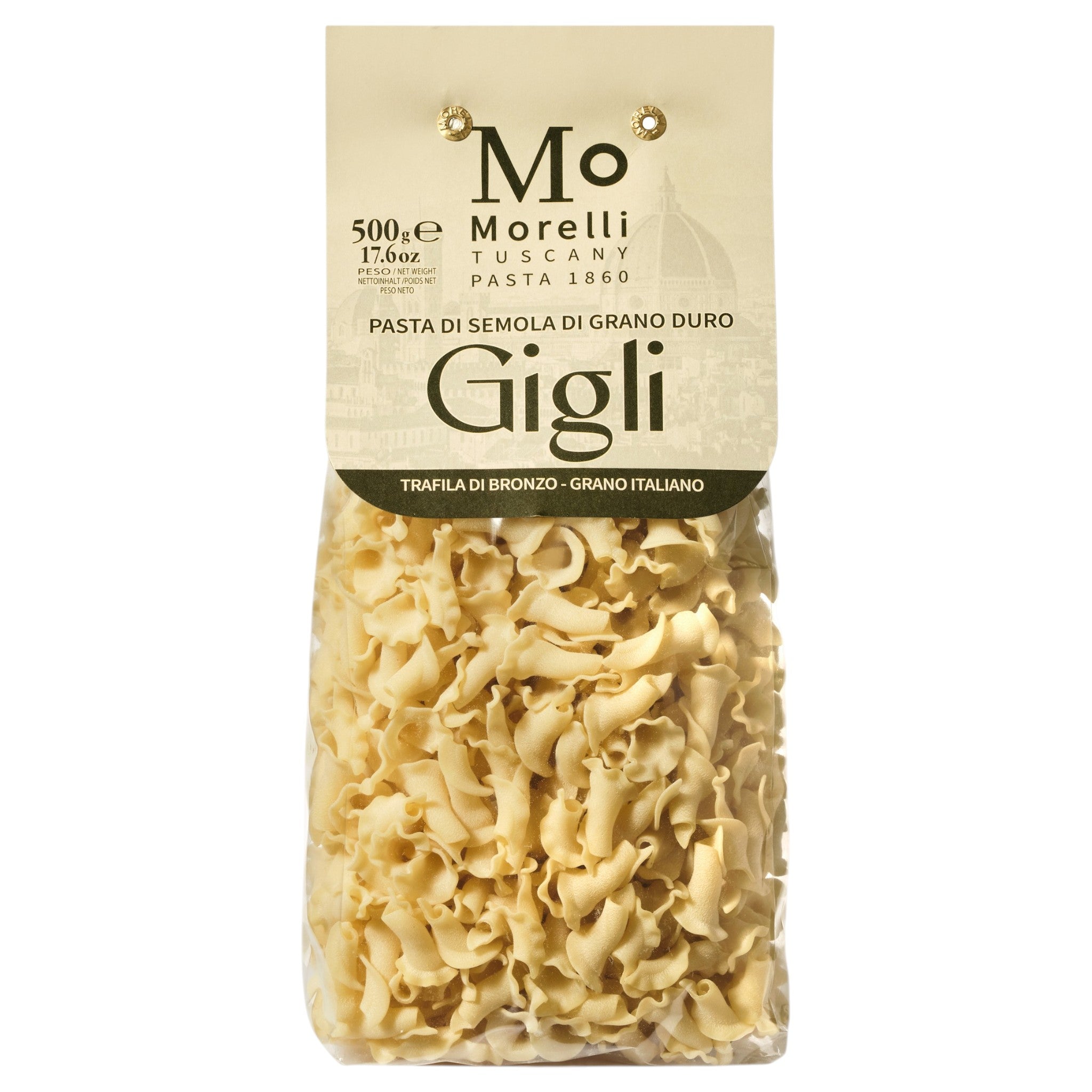
Is Italian Gigli Pasta Good With Pesto?
Italian cuisine is known for transforming simple ingredients into unforgettable meals. Among the many pasta shapes, Gigli pasta stands out for its unique look and texture. But is it a good match for pesto sauce? This question is more than just taste—it’s about how pasta and sauce work together, the traditions behind them, and the experience they create. If you’re curious whether Gigli and pesto form a perfect pair, this article will guide you through flavors, textures, and practical tips, so you can make your own decision.
What Is Gigli Pasta?
Gigli pasta—also called “campanelle”—comes from Tuscany, Italy. The name “gigli” means “lily” in Italian, and the pasta shape looks like a small flower or bell with ruffled edges. Unlike straight or tube-shaped pasta, Gigli has a hollow center and a flared rim.
This shape is not just for decoration. The folds and curves help Gigli hold onto sauce better than smoother pasta types. The texture is slightly chewy, and the ruffles provide a satisfying bite. Gigli is traditionally used for creamy or chunky sauces, but it’s flexible enough to try with lighter options like pesto.
Understanding Pesto Sauce
Pesto is one of Italy’s most beloved sauces, especially from the Liguria region. Classic pesto is made with fresh basil, pine nuts, garlic, Parmesan cheese, and olive oil. The result is a green, aromatic paste that’s rich but not heavy.
Pesto’s flavor is fresh and bright, with a hint of nuttiness and saltiness. It’s usually tossed with pasta, spread on bread, or used as a topping for vegetables and meats. The sauce is not thick—it’s smooth and oily, which makes it important to choose the right pasta shape so the sauce doesn’t slide off.
Why Pairing Pasta And Sauce Matters
Choosing the right pasta shape for a sauce is more than personal preference. It affects:
- Flavor distribution: Some pasta shapes trap sauce inside, making each bite rich.
- Texture balance: Chewy pasta with creamy sauce feels different from soft pasta with chunky sauce.
- Eating experience: The shape decides how easy it is to eat, mix, and enjoy the meal.
For pesto, the ideal pasta should grab the sauce and let the flavors shine. Traditionally, Italians use short, twisted shapes like trofie or fusilli. Gigli’s curves and ruffles suggest it could work well, but let’s look closer.
Gigli Pasta Vs. Other Pasta Shapes For Pesto
To understand if Gigli is a good choice, let’s compare it with other common pasta shapes used for pesto.
| Pasta Shape | Texture | Ability to Hold Pesto | Traditional Use with Pesto |
|---|---|---|---|
| Gigli | Chewy, ruffled | High | Not traditional, but possible |
| Trofie | Twisted, firm | Very high | Traditional Ligurian pairing |
| Fusilli | Spiraled, soft | High | Common |
| Spaghetti | Smooth, long | Medium | Sometimes used |
| Penne | Tubular, smooth | Medium | Occasional |
Gigli’s shape is similar to fusilli and trofie in its ability to trap pesto in its folds. It’s not the classic choice, but its ruffled edges can hold the sauce well. One insight many beginners miss is that Gigli’s unique hollow center lets pesto pool inside, creating bursts of flavor.

Cooking Gigli Pasta With Pesto: Step-by-step Guide
If you want to try Gigli with pesto, it’s easy to prepare. Here’s a step-by-step guide:
- Boil water: Use plenty of water (at least 4 quarts per pound of pasta) so Gigli cooks evenly.
- Add salt: Put about 1 tablespoon of salt per 4 quarts. This seasons the pasta itself.
- Cook Gigli: Drop the pasta into boiling water and stir. Gigli usually needs 10–12 minutes for al dente texture.
- Drain, but save water: Before draining, save a cup of pasta water. This helps blend the pesto later.
- Mix with pesto: Put the cooked Gigli in a bowl. Add pesto and a splash of pasta water. Stir gently so the sauce covers the ruffles and hollow centers.
- Serve immediately: Pesto is best fresh. Top with extra Parmesan or a drizzle of olive oil.
Tip: Don’t overcook Gigli. Its shape can turn mushy if boiled too long, which makes the sauce slip off.
Flavor And Texture: What To Expect
When you pair Gigli pasta with pesto, you get:
- Flavor bursts: The hollow center traps pesto, so some bites are stronger than others.
- Chewy edges: The ruffled rim gives a firm bite, balancing the smoothness of the sauce.
- Balanced mouthfeel: Unlike spaghetti, which can feel slippery, Gigli gives a mix of soft and firm textures.
Many beginners think pesto needs a thick pasta, but the real secret is choosing a shape that lets the sauce cling. Gigli’s ruffles do this well, but its hollow center is even better. This is an insight often missed—pasta shape isn’t just about the outside.
Nutritional Comparison: Is Gigli Pasta A Healthier Option?
Pasta’s nutrition depends on the ingredients and serving size. Gigli is usually made from durum wheat, just like most Italian pasta. Here’s how Gigli compares to other shapes in terms of calories and nutrients (per 2 oz dry serving):
| Pasta Shape | Calories | Protein (g) | Carbs (g) | Fiber (g) |
|---|---|---|---|---|
| Gigli | 210 | 7 | 42 | 2 |
| Fusilli | 210 | 7 | 41 | 2 |
| Trofie | 210 | 7 | 41 | 2 |
| Spaghetti | 210 | 7 | 42 | 2 |
Gigli is similar to other pasta shapes in nutrition. The difference comes from the sauce and toppings. Pesto adds healthy fats from olive oil and nuts, but can be high in calories. If you want a lighter meal, use less pesto or add vegetables.
Practical Tips For Making Gigli With Pesto
If you want the best experience, try these tips:
- Toast pine nuts: Toasting nuts before blending them into pesto boosts flavor.
- Use fresh basil: The fresher the basil, the brighter the taste.
- Add vegetables: Toss in roasted cherry tomatoes or steamed broccoli for color and extra nutrients.
- Don’t over-sauce: Gigli holds sauce well, but too much can make it greasy.
- Serve warm or cold: Gigli with pesto can be served hot or as a cold pasta salad.
A mistake many beginners make is not saving pasta water. This starchy water helps pesto stick to Gigli and creates a creamy finish without extra oil.

Real-life Examples: Gigli With Pesto In Italian Restaurants
Some Italian restaurants offer Gigli with pesto, especially in modern menus. While it’s not a traditional Ligurian pairing, chefs love the visual appeal and texture. For example, Trattoria Toscana in Florence serves Gigli with basil pesto and sun-dried tomatoes. Diners report that the sauce clings to the pasta, and the ruffled edges give a satisfying bite.
In cooking competitions, Gigli is sometimes paired with creative pesto blends—like arugula or parsley pesto—proving that the shape is flexible. The presentation is striking, making Gigli a good choice for special occasions.
Cost And Availability: Is Gigli Easy To Find?
Gigli is not as common as spaghetti or penne, but it’s gaining popularity. You can find it at Italian grocery stores, specialty markets, or online. The price is usually a bit higher because the shape is harder to produce. For example:
| Store | Price per 1 lb | Availability |
|---|---|---|
| Local supermarket | $2.50 | Occasional |
| Italian specialty store | $4.00 | Frequent |
| Online retailers | $5.00 | Always |
If you want authentic Gigli, look for brands from Tuscany. The quality and texture are better, and the ruffled edges are more pronounced.
Non-obvious Insights: What Beginners Overlook
- Sauce-to-pasta ratio: Gigli’s shape lets you use less pesto, since it holds more sauce per bite. This saves calories and money.
- Presentation matters: Gigli’s flower shape makes dishes look beautiful, which can impress guests or turn a regular meal into a celebration.
Most people focus only on taste, but the look and sauce efficiency are real advantages.
Comparing Gigli With Pesto To Classic Pairings
Is Gigli with pesto as good as traditional combinations? Here’s a quick comparison:
- Gigli with pesto: Modern, visually appealing, holds sauce well, chewy texture.
- Trofie with pesto: Classic, firm bite, holds sauce perfectly, smooth texture.
- Spaghetti with pesto: Simple, easy to find, but sauce slips off.
If you want tradition, go for trofie. If you want something new and striking, Gigli is worth trying.
The Verdict: Is Gigli Pasta Good With Pesto?
Yes, Gigli pasta is good with pesto. Its ruffled edges and hollow center trap the sauce, creating bursts of flavor and a satisfying chew. It’s not the classic Ligurian pairing, but the texture and visual appeal make it a strong option.
For those who want to try something different, Gigli offers a balance of taste, presentation, and ease of eating. It’s a great choice for both everyday meals and special occasions.
If you want more details about pasta shapes and sauces, check out the Wikipedia pasta types list.
Frequently Asked Questions
Can I Use Store-bought Pesto With Gigli Pasta?
Yes, store-bought pesto works well with Gigli. If possible, choose a brand with fresh basil and real Parmesan. Homemade pesto tastes fresher, but for convenience, store-bought is fine. Just make sure to add a splash of pasta water to help the sauce stick.
Is Gigli Pasta Gluten-free?
Most Gigli pasta is made from wheat and contains gluten. However, some brands make gluten-free Gigli using rice or corn flour. Check the packaging before buying if you need gluten-free options.
How Much Pesto Should I Use For Gigli Pasta?
A good ratio is about 2 tablespoons of pesto per 2 oz dry Gigli. Adjust based on taste and whether you add vegetables or protein. Gigli’s shape lets you use less sauce than you might with spaghetti, so start small and add more if needed.
What’s The Best Way To Reheat Gigli With Pesto?
Reheat gently on the stove with a splash of water or olive oil. Microwaving can make the pasta rubbery and the sauce oily. Stir well so the pesto covers the pasta evenly.
Can I Freeze Gigli Pasta With Pesto?
It’s possible, but not ideal. Pesto loses flavor and color when frozen. If you must freeze, cool the pasta, store in an airtight container, and thaw in the fridge. Add fresh pesto or basil when reheating for better taste.
Gigli pasta and pesto create a beautiful, flavorful meal that’s easy to prepare and sure to impress. Whether you’re cooking for yourself or sharing with friends, this pairing offers both tradition and creativity.