

Gigli pasta, with its delicate ruffled edges and beautiful bell-like shape, is a culinary gem from Italy that often surprises first-time tasters. Unlike other famous Italian pastas, gigli is less known outside Italy, but inside the country, it carries a story that links regional tradition, craftsmanship, and even symbolism. How did this unique pasta come to be, and why does it look the way it does? Discovering the origin of Italian gigli pasta is a journey into the heart of Tuscan food history, local pride, and the enduring creativity of Italian cooks.
What Is Gigli Pasta?
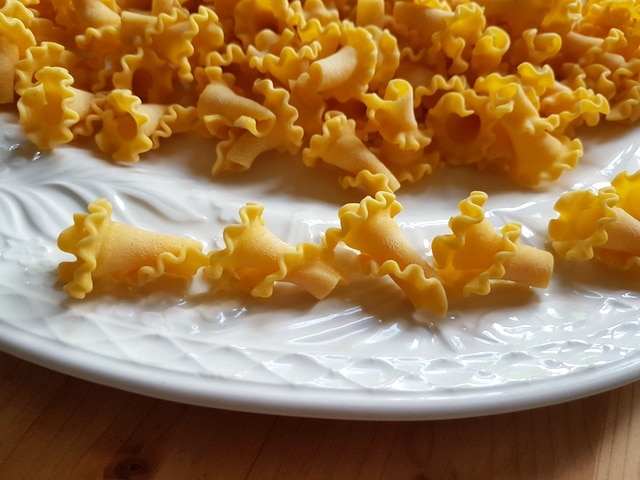
Gigli pasta, sometimes called campanelle (which means “little bells” in Italian), is easy to recognize. Each piece is shaped like a small, fluted cone with a petal-like edge that curls outward. The word gigli literally means “lilies” in Italian, and the pasta’s shape is said to resemble the lily flower, which holds deep cultural meaning in parts of Italy.
This pasta is prized for its ability to hold thick sauces in its folds and for its attractive appearance on the plate. Gigli is most often made from durum wheat semolina and water, though some artisanal makers use eggs for a richer dough.
Historical Origins Of Gigli Pasta
Many Italian pastas have roots in centuries-old tradition, and gigli is no exception. However, unlike some shapes with clear ancient origins, gigli’s history is a blend of legend, local pride, and culinary evolution.
Tuscan Roots
Gigli pasta is closely associated with Tuscany, particularly the city of Florence. The lily—giglio in Italian—is the city’s symbol, appearing on its coat of arms for over 900 years. According to food historians, gigli pasta was created as a tribute to Florence’s lily emblem. Some stories claim that Florentine pasta makers invented gigli in the late Middle Ages or Renaissance, but there is limited written evidence before the late 19th or early 20th century.
Regional Competition And Craft
The rise of gigli pasta also reflects the competition among Italian regions to develop unique pasta shapes. While southern Italy became famous for dried pasta, Tuscany and central regions focused on creative, fresh shapes. Gigli was likely born from this spirit, with local artisans hand-shaping the pasta to resemble the beloved lily.
Modern Spread
Gigli remained a regional specialty for much of its history. Only in the last few decades, with the rise of artisanal pasta brands and food tourism, has gigli become more widely available. Today, you can find gigli in gourmet markets around the world, but its strongest connections remain in Tuscany.
The Symbolism Behind Gigli
To understand gigli pasta’s origin, you need to know why the lily is so important in Florence. The fleur-de-lis—a stylized lily—has been the city’s emblem since the 11th century. It represents purity, pride, and a deep connection to Florence’s history.
When you eat gigli pasta in Florence, you’re not just enjoying a delicious meal; you’re tasting a piece of the city’s identity. The pasta’s shape is a tribute to the lily found on flags, buildings, and artworks throughout Florence.
How Gigli Pasta Is Made
Gigli pasta looks simple, but making it requires skill. Traditionally, gigli is made by hand, though machines now produce most commercial versions.
Traditional Method
- The dough is rolled into thin sheets.
- Small circles are cut out.
- Each circle is shaped into a cone by pinching one side together.
- The edges are fluted or pressed to create the ruffled “petals.”
This hand-rolling and pinching gives gigli its unique look and texture. The ruffles are not just decorative—they help trap sauce and add bite.
Industrial Production
Today, most gigli pasta is made by machines that mimic the hand-shaping process. High-quality brands still use bronze dies to extrude the pasta, which gives the surface a rough texture. This texture is important because it helps sauces stick.
Comparing Gigli To Other Pasta Shapes
Gigli’s unique design sets it apart from other Italian pastas. Here is a simple comparison with similar shapes:
| Pasta Shape | Main Feature | Best Uses | Region of Origin |
|---|---|---|---|
| Gigli (Campanelle) | Bell shape, ruffled edge | Thick sauces, baked dishes | Tuscany |
| Farfalle | Bow-tie shape | Light sauces, salads | Emilia-Romagna |
| Conchiglie | Shell shape | Chunky sauces, baked dishes | Southern Italy |
| Orecchiette | Ear shape | Vegetable sauces | Puglia |
Non-obvious insight: Gigli’s ruffled edge is more than just for looks—it increases the pasta’s surface area, which means more sauce in every bite.
Culinary Uses And Pairings
While gigli is beautiful, it’s also practical. Its design helps it hold onto thick, chunky sauces that would slide off smoother pastas.
Traditional Tuscan Pairings
- Meat ragù: Especially wild boar or beef, as found in Tuscan kitchens.
- Creamy mushroom sauces: The folds of gigli catch small pieces of mushroom and herbs.
- Vegetable sauces: Chunky vegetables like zucchini, eggplant, or artichokes cling well to gigli.
Modern Creative Pairings
Chefs now use gigli for everything from baked pasta dishes (like gigli al forno) to chilled pasta salads. Its shape holds up well during cooking, making it versatile.
Cooking Tips
- Boil gigli in plenty of salted water; it usually takes 10–12 minutes.
- Stir gently; the ruffled edges can break if handled roughly.
- Save a bit of pasta water to help bind your sauce to the noodles.
Practical advice: Don’t overcook gigli—the ruffles will become mushy and lose their sauce-holding power.
Gigli Pasta In Italian Food Culture
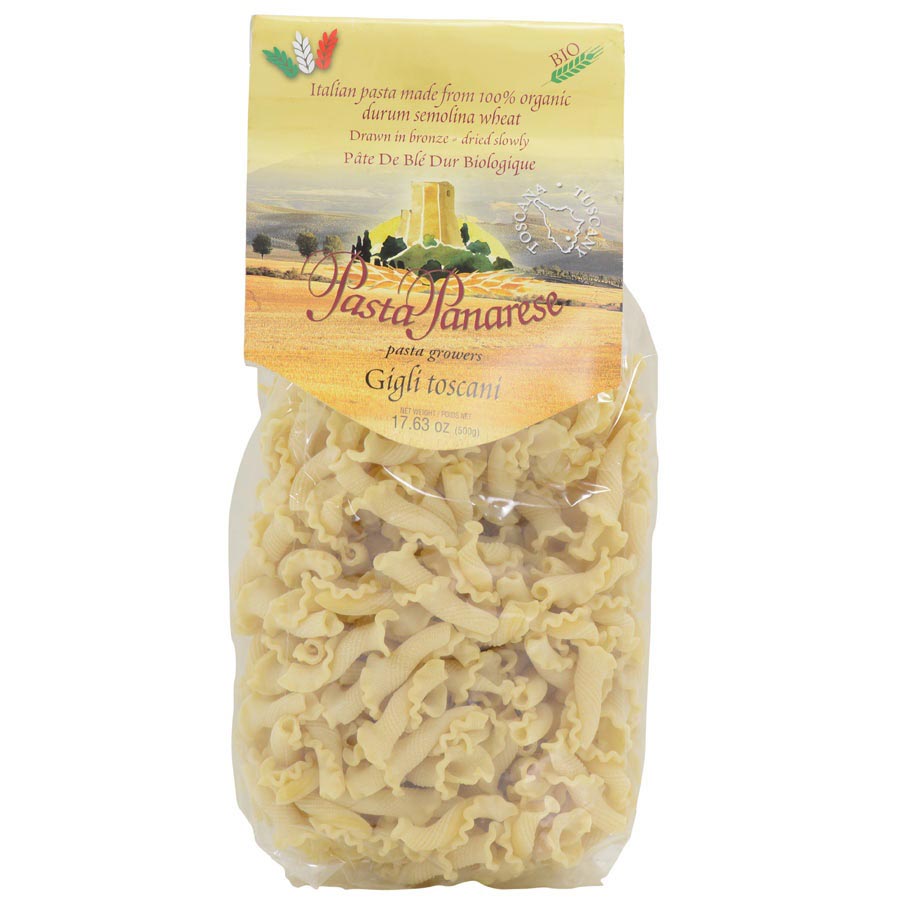
Gigli pasta is more than a shape—it’s part of Tuscan life. In Florence, gigli sometimes appears at festivals and city celebrations as a symbol of local pride. Some artisanal shops sell gigli in beautiful packaging, showcasing the city’s colors or even the lily emblem.
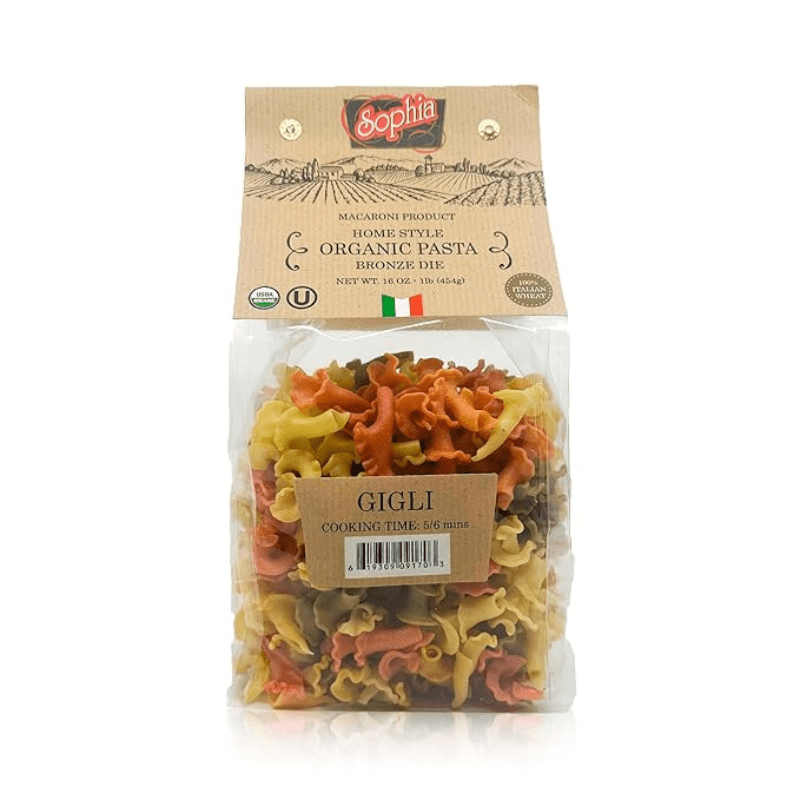
Non-obvious insight: In Florence, you might find gigli pasta colored with spinach (green), tomato (red), or squid ink (black), reflecting the city’s artistic spirit.
Nutritional Value Of Gigli Pasta
Like most traditional pastas, gigli is made from durum wheat semolina. Here’s a comparison of gigli’s basic nutrition with two other popular pasta shapes (per 2-ounce dry serving):
| Pasta Type | Calories | Protein (g) | Carbohydrates (g) | Fiber (g) |
|---|---|---|---|---|
| Gigli (semolina) | 200 | 7 | 42 | 2 |
| Penne | 200 | 7 | 41 | 2 |
| Spaghetti | 210 | 8 | 43 | 2 |
Note: Nutritional content can vary depending on whether eggs or specialty flours are used.
Gigli Pasta In Modern Cuisine
Global chefs have embraced gigli, not only for Italian recipes but also for fusion dishes. Its shape makes it ideal for creative presentations, and its ability to hold sauce appeals to modern cooks.
Restaurant Examples
- Fine dining: Gigli tossed with truffle cream and Parmigiano-Reggiano.
- Casual bistros: Gigli baked with sausage, kale, and a light tomato sauce.
- Vegetarian menus: Gigli with roasted squash, walnuts, and sage.
Common Myths And Lesser-known Facts
Many believe gigli pasta is ancient, but written records are relatively recent. Some myths suggest it was eaten by medieval Florentine nobles, but there’s little evidence. Instead, gigli represents a newer tradition that draws on older symbols.
Lesser-known fact: Some pasta companies call gigli “campanelle” outside Italy, but in Tuscany, the name gigli emphasizes the local connection to the lily.
Buying And Storing Gigli Pasta
Gigli can be found in specialty Italian markets, online, or sometimes in well-stocked supermarkets. When buying gigli:
- Look for bronze-cut pasta for a rough texture.
- Avoid very smooth, glossy gigli—these won’t hold sauce as well.
- Check the ingredient list: 100% durum wheat is best for a classic bite.
Store dry gigli in a cool, dry pantry for up to a year. Fresh gigli should be eaten within a few days or frozen for longer storage.
Gigli Pasta: Regional Variations
While Tuscany is the home of gigli, some nearby regions have their own takes. In Liguria, a similar shape is made, sometimes filled with cheese and herbs. In Emilia-Romagna, you might find miniature gigli used in soups.
Non-obvious insight: Regional gigli can have slightly different names, shapes, or even colors, but the connection to the lily flower remains.
Gigli Pasta In Italian Festivals And Celebrations
In Florence, the Festa del Giglio sometimes features the pasta in special dishes. During spring festivals, gigli is served with seasonal ingredients, highlighting the region’s produce and colors.
How To Make Gigli Pasta At Home
If you want to try making gigli yourself, here’s a basic approach:
Ingredients
- 2 cups semolina flour
- 2 large eggs (optional for richer dough)
- ½ cup water
- Pinch of salt
Steps
- Mix flour and salt, make a well in the center.
- Add eggs (if using) and water. Mix to form a smooth, stiff dough.
- Knead for 8–10 minutes. Rest the dough for 30 minutes.
- Roll dough into thin sheets.
- Cut into 2-inch circles.
- Pinch one side to form a cone; flare out the other side for petals.
- Let dry for 30 minutes, then cook in boiling salted water.
Tip: If shaping gigli is tricky, use a small fluted pastry cutter for the edges.
Gigli Pasta And The Modern Pasta Renaissance
With the growing interest in traditional and regional foods, gigli pasta has found new fans. Food bloggers, chefs, and home cooks appreciate its beauty and adaptability. There’s a small movement in Florence to protect gigli’s name and status, similar to efforts for other regional foods.
For more about the history of Italian pasta shapes, see this Wikipedia page on pasta varieties.
Frequently Asked Questions
What Does “gigli” Mean In Italian?
Gigli means “lilies” in Italian. The pasta’s shape is inspired by the lily flower, which is a symbol of Florence.
Is Gigli Pasta The Same As Campanelle?
They are the same shape, but “gigli” is used in Tuscany and emphasizes the connection to the lily. “Campanelle” means “little bells” and is used by some pasta makers, especially outside Italy.
What Sauces Go Best With Gigli Pasta?
Thick, chunky sauces are best, such as meat ragù, creamy mushroom, or vegetable sauces. The ruffled edges and open shape hold sauce well.
Can I Buy Gluten-free Gigli Pasta?
Yes, some specialty brands make gluten-free gigli using rice or corn flour. Always check the label for ingredients and cooking instructions.
How Is Gigli Pasta Different From Farfalle?
Gigli is shaped like a cone with ruffled petals, while farfalle is shaped like a bow-tie. Gigli holds more sauce due to its structure and is especially good for hearty dishes.
Gigli pasta’s origin is a blend of Tuscan pride, artistry, and culinary evolution. From the markets of Florence to kitchens around the world, gigli offers a taste of Italian history in every bite. Its shape is a tribute to the city’s lily, but its appeal is universal—a pasta that’s as beautiful as it is delicious.

