Why Is Italian Gigli Pasta Shaped Like A Lily?
Italy is known for its diverse pasta shapes, each carrying a unique story, tradition, or inspiration. Among these, gigli pasta stands out for its delicate, flower-like design. Shaped to resemble a lily, gigli offers more than just beauty—it carries history, regional pride, and a purpose in Italian cuisine. But why exactly does this pasta look like a lily, and what makes this shape so special? Let’s explore the origins, symbolism, and practical reasons behind this iconic pasta form.
The Origins Of Gigli Pasta
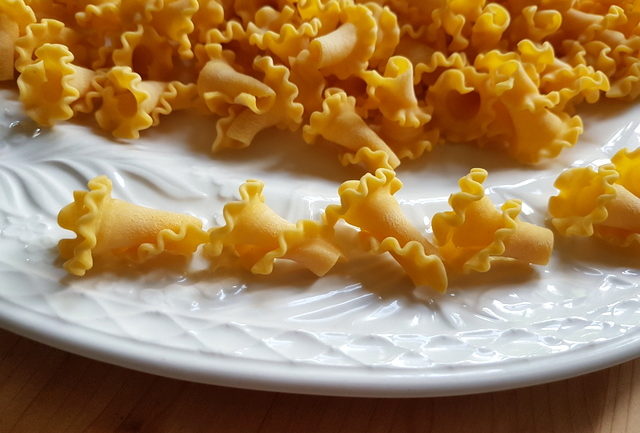
Gigli pasta, sometimes called campanelle (little bells), traces its roots to the heart of Tuscany, a region famous for art, food, and tradition. The word “gigli” means “lilies” in Italian, and this pasta’s ruffled edges and flared top closely imitate the blossom of a lily flower.
The lily itself has long been a powerful symbol in Tuscany, especially in Florence. Since the Middle Ages, the lily (specifically the white iris) has been the emblem of Florence, appearing on city flags, coins, and public buildings. By shaping pasta to look like this flower, local artisans celebrated both regional identity and culinary creativity.
Gigli’s design is not random—it’s a tribute to the city’s heritage. During festivals and special occasions, gigli pasta was often served as a symbol of good fortune and city pride. This connection between food and local culture is a hallmark of Italian cuisine, where even pasta shapes tell a story.
The Symbolism Of The Lily In Italian Culture
To understand why gigli pasta is shaped like a lily, it helps to know what the lily means in Italian history. The lily (giglio in Italian) is more than just a pretty flower. It represents purity, rebirth, and strength. In medieval Europe, lilies often appeared on coats of arms, royal seals, and religious art.
In Florence, the lily became a mark of the city’s independence and beauty. The “fleur-de-lis”—a stylized lily—appears on the city’s badge and is a familiar sight across Tuscany. This symbol dates back to at least the 11th century and remains a proud part of local identity today.
When pasta makers in Tuscany created gigli, they weren’t just inventing a new shape—they were honoring the flower that had come to stand for their home. Eating gigli pasta is, in a small way, a celebration of Florence’s enduring spirit.
How Gigli Pasta Is Made
Gigli’s unique shape is not easy to make by hand. Traditionally, gigli pasta is formed by wrapping a thin strip of pasta dough around a small rod or stick, then pinching one end to create a flared, trumpet-like flower. The result is a small cone with ruffled edges, just like a lily’s petals.
Today, most gigli pasta sold in stores is made with machines, but some artisanal producers still craft it by hand, keeping the old methods alive. The process requires patience and skill:
- Roll out fresh pasta dough into thin sheets.
- Cut the dough into small, square pieces.
- Wrap each square around a dowel or finger.
- Pinch one end to flare out the “petals.”
- Let the shapes dry before cooking.
This careful process explains why gigli is often found in gourmet shops or served during special meals. The attention to detail reflects the importance of both the shape and its cultural meaning.
Practical Reasons For The Lily Shape
Beyond tradition, the lily shape of gigli pasta serves a practical purpose in the kitchen. The flared, ruffled edges and hollow center are not just for looks—they’re designed to hold sauce, cheese, and other ingredients.
The unique structure of gigli offers several advantages:
- Sauce retention: The cone shape captures thick sauces, bits of meat, and vegetables, ensuring every bite is flavorful.
- Texture: The ruffled edges become slightly chewy when cooked, adding a pleasant contrast to smooth sauces.
- Presentation: The flower-like form makes dishes look elegant and appetizing, perfect for special occasions.
Here’s a quick comparison of gigli with other popular pasta shapes:
| Pasta Shape | Key Feature | Best For |
|---|---|---|
| Gigli | Lily-shaped, ruffled edges | Creamy, chunky sauces |
| Penne | Tube-shaped, angled ends | Tomato, meat sauces |
| Fusilli | Spiral, corkscrew | Thick, hearty sauces |
| Farfalle | Bow-tie, pinched center | Light cream or tomato sauces |

Gigli Pasta In Italian Cuisine
While gigli is most associated with Tuscany, it has found fans across Italy and beyond. Its versatility makes it suitable for many dishes, from rustic stews to refined baked pastas.
Gigli is often used in:
- Hearty ragùs: The shape holds chunky sauces made from beef, pork, or wild boar.
- Vegetable-rich dishes: The open center traps bits of zucchini, eggplant, or mushrooms.
- Baked pasta recipes: Gigli stands up well to baking, maintaining its shape and texture.
For example, a classic Tuscan dish might combine gigli with a slow-cooked wild boar sauce, Parmesan cheese, and fresh herbs. The pasta’s shape ensures the rich sauce coats every petal.
Here’s a table showing how gigli compares to other shapes for different sauces:
| Sauce Type | Best Pasta Shape | Why |
|---|---|---|
| Creamy Alfredo | Gigli | Holds sauce in ruffles |
| Pesto | Fusilli | Twists catch oily sauce |
| Bolognese Ragù | Pappardelle | Flat shape supports meat |
| Chunky Vegetable | Gigli | Open center traps pieces |
Non-obvious Insights About Gigli Pasta
Most people see gigli as just another pretty pasta, but there are details even experienced cooks often miss:
- Regional Substitutes: In areas outside Tuscany, gigli is sometimes called “campanelle,” meaning “little bells.” While the two shapes are nearly identical, the name changes based on local tradition. Some regions may also use slightly different recipes for the dough, affecting texture and flavor.
- Culinary Pairings: While gigli is famous for holding sauce, it also shines in cold pasta salads. The ruffled edges hold dressings and herbs, making each bite more flavorful. This makes gigli a flexible choice for both hot and cold dishes.
- Cooking Tips: Gigli pasta can overcook easily due to its thin petals. For best results, cook in plenty of salted boiling water and check frequently for doneness. This ensures the petals remain firm, not mushy.
- Color Variations: Some artisanal producers make gigli in natural colors using beetroot (pink), spinach (green), or squid ink (black). These versions add visual appeal to dishes and can be used to match themes for special events.
How To Cook And Serve Gigli Pasta
If you want to try gigli at home, here’s a step-by-step guide for cooking and serving:
- Choose your sauce: Gigli pairs well with creamy, chunky, or oil-based sauces.
- Boil water: Use a large pot with plenty of water and add a generous pinch of salt.
- Cook gigli: Add the pasta and stir gently. Cook for 8–11 minutes, checking often.
- Reserve pasta water: Before draining, save a cup of water to adjust sauce consistency.
- Combine with sauce: Toss the cooked gigli with your sauce and a splash of pasta water. Stir to coat every piece.
- Serve hot: Sprinkle with cheese and fresh herbs.
A simple example: Gigli with roasted cherry tomatoes, basil, and ricotta. The pasta’s shape holds the creamy cheese and tomato pieces, creating a balanced bite every time.
Here’s a comparison of gigli with other “decorative” pasta shapes:
| Pasta | Shape Inspiration | Traditional Region |
|---|---|---|
| Gigli | Lily flower | Tuscany |
| Farfalle | Butterfly/bow-tie | Lombardy/Emilia-Romagna |
| Strozzapreti | “Priest stranglers” (twisted) | Emilia-Romagna |
| Orecchiette | “Little ears” | Apulia |
Gigli Pasta’s Place In Modern Italian Food Culture
In today’s Italy, gigli is both a nod to tradition and a favorite for creative chefs. Its elegant form appears in fine dining and home kitchens alike. Food bloggers and Instagram users love gigli for its visual appeal, often using it to make their dishes stand out.
Outside Italy, gigli is gaining popularity as cooks look for new ways to present familiar flavors. Because it’s not as common as penne or spaghetti, gigli adds a special touch to meals for guests or celebrations. In some restaurants, gigli is even used as a base for fusion dishes, combining Italian techniques with international flavors.

Where To Find And Buy Gigli Pasta
Gigli pasta is available at many gourmet markets, Italian specialty stores, and online retailers. When buying gigli, look for:
- Artisanal brands: Often made with high-quality durum wheat and traditional methods.
- Imported options: Authentic gigli from Tuscany for a true taste of Italy.
- Colorful varieties: For special occasions, look for mixed packs with natural colors.
Not all gigli is created equal—cheaper versions might lose their shape or become mushy when cooked. Investing in a quality brand can make a real difference in taste and texture.
Frequently Asked Questions
What Is The Difference Between Gigli And Campanelle Pasta?
Gigli and campanelle are nearly identical in shape. Both mimic a lily flower or a small bell, with ruffled edges and a hollow center. The main difference is the name, which changes depending on the region of Italy. In Tuscany, “gigli” is more common, while “campanelle” is used elsewhere. Sometimes, the dough recipe may vary slightly, but both serve the same purpose in holding sauces.
Why Is The Lily So Important In Florence And Tuscany?
The lily has been the symbol of Florence for over 1,000 years. It represents purity, rebirth, and the city’s unique heritage. The “fleur-de-lis” appears on Florence’s flag and is often seen in local art and architecture. By shaping pasta like a lily, Tuscans honor their city’s rich history and sense of identity.
What Sauces Pair Best With Gigli Pasta?
Gigli pasta is versatile but works especially well with:
- Creamy sauces (like Alfredo or cheese-based)
- Chunky vegetable sauces
- Hearty meat ragùs
- Pesto with added vegetables
Its ruffled edges and hollow center trap thicker, textured sauces, making each bite satisfying.
Can I Make Gigli Pasta At Home Without Special Tools?
Yes, but it takes patience. Roll fresh pasta dough into thin sheets, cut into squares, and wrap each piece around your finger or a wooden dowel. Pinch one end to flare out the petals. Let them dry before cooking. It’s a fun project, but delicate, so don’t worry if the shapes aren’t perfect—homemade gigli always tastes great.
Where Can I Learn More About Italian Pasta Shapes And Their Meanings?
A great resource for exploring pasta history and shapes is the Wikipedia pasta list, which offers details on dozens of varieties, origins, and regional uses.
Gigli pasta’s lily shape is more than just a beautiful design. It’s a blend of history, tradition, and smart cooking—proof that in Italy, even the simplest foods carry deep meaning. Next time you see gigli on a menu or in a store, you’ll know the story behind its elegant petals.