

Gigli pasta often catches the eye with its charming flower-like shape and ruffled edges. In recent years, it has found a place on trendy restaurant menus and in specialty food shops around the world. But many pasta lovers and Italian food fans wonder: Is gigli pasta truly authentic Italian? Or is it a modern invention made for looks? The answer is both more interesting and more complex than you might expect.
The Origin Of Gigli Pasta
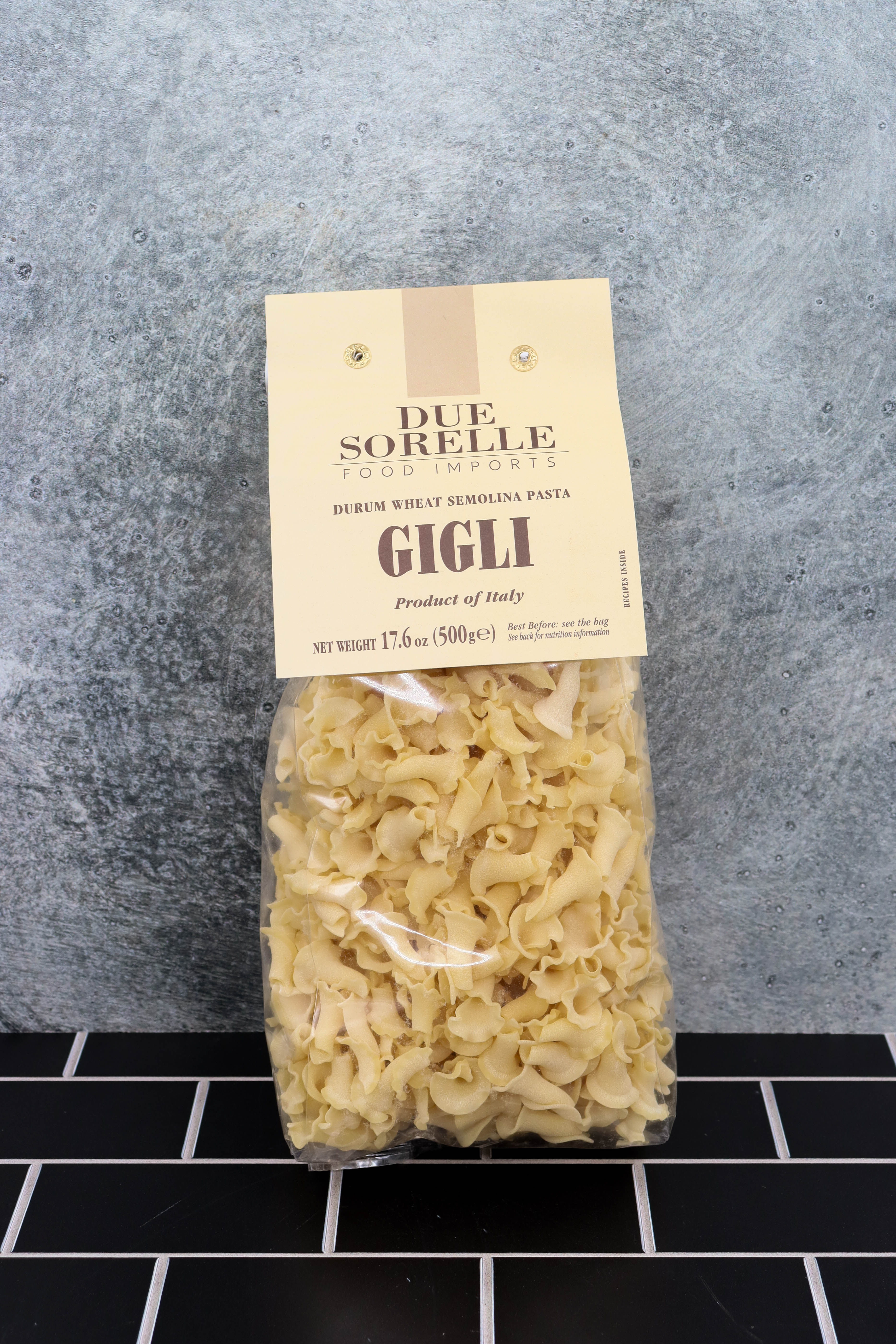
To understand if gigli pasta is authentic, it’s helpful to look at its history. In Italian, “gigli” means “lilies,” and the pasta is named for its resemblance to the flower. Sometimes you’ll also see it called “campanelle,” which means “little bells.
” Both names refer to the same shape—petals rolled into a cone, with wavy edges.
The roots of gigli pasta are commonly linked to Tuscany, a region in central Italy known for simple yet bold cuisine. Unlike better-known shapes such as spaghetti or penne, gigli does not appear in old cookbooks from across Italy. Instead, it seems to have been created more recently, around the early 20th century, by artisan pasta makers in Tuscany and nearby regions.
Despite its recent origin, gigli has become a staple for some Italian families, especially in Tuscany. It is not as ancient as orecchiette (from Puglia) or trofie (from Liguria), but many Italians accept it as a traditional pasta shape today.
What Makes Pasta “authentic” In Italy?
The idea of authenticity in Italian food is often debated. Italy has hundreds of pasta shapes, and new ones are still being invented. Authenticity, for many Italians, comes from:
- Regional tradition: If a pasta shape is tied to a specific area and has been used there for decades, it’s often considered authentic.
- Use in local dishes: If local recipes use the pasta, it gains legitimacy.
- Handmade origins: Shapes first made by hand often have more respect.
Gigli fits these criteria to some extent. It is tied to a region (Tuscany), is used in some local recipes, and was originally handmade. While it’s not ancient, neither are many shapes now seen as “classic. ” For example, penne rigate only became popular after industrial pasta-making began in the 20th century.
Gigli Vs. Other Regional Pastas
Comparing gigli to other Italian pastas can help clarify its status. Here’s a quick look at how gigli stands next to some well-known regional types:
| Pasta Shape | Region | Age | Traditional Dishes |
|---|---|---|---|
| Gigli (Campanelle) | Tuscany | Early 20th Century | With ragu, creamy sauces |
| Orecchiette | Puglia | Over 500 years | With broccoli rabe, sausage |
| Trofie | Liguria | Centuries | With pesto |
| Penne Rigate | All regions | 19th/20th Century | Arrabbiata, baked pasta |
Notice that even penne rigate, now iconic, is not much older than gigli. This shows that Italian pasta tradition is always changing, and new shapes can become authentic over time.
How Gigli Pasta Is Made
Gigli is made from semolina flour and water, like most Italian pasta. The dough is rolled out, cut into small squares, and shaped by hand or machine into cones with ruffled edges. Traditionally, the work was done by skilled hands, but modern pasta factories now make gigli in larger quantities.
The unique shape is not just for looks. The fluted edge and central pocket hold chunky sauces, cheese, or vegetables very well. This makes gigli popular for baked dishes, creamy sauces, and even thick ragùs.
Traditional Dishes Featuring Gigli
While gigli is not as famous as spaghetti or fettuccine, it does have a place in certain Tuscan recipes. Here are a few ways gigli is used in Italy:
- Gigli al ragù toscano: A slow-cooked meat sauce, sometimes made with wild boar or beef, coats the pasta beautifully.
- Gigli con panna e piselli: A creamy sauce with peas, often with pancetta or ham.
- Gigli alle verdure: Roasted or sautéed seasonal vegetables tossed with olive oil and herbs.
In modern kitchens, gigli is often used in creative ways. Its shape makes it suitable for baked pasta casseroles, salads, or even as a base for rich cheese sauces.
Is Gigli Pasta “authentic” By Italian Standards?
Looking at the history, regional ties, and traditional recipes, gigli can be considered authentic—at least in Tuscany and central Italy. Its story is typical of many Italian pastas: created by local artisans, slowly accepted in the region, and eventually made on a wider scale.
However, outside of Tuscany, gigli may not be seen as traditional. In places like Rome or Sicily, local cooks might not recognize it as part of their heritage. This is common in Italy, where regional pride in food is very strong.
Two important insights that many beginners miss:
- Authenticity in Italy is often local, not national. What’s “real” in one region may be unknown in another.
- Pasta shapes evolve. Many shapes we now consider classic were new inventions a century ago. Italian food culture is not fixed; it adapts and grows.
Modern Popularity And Misconceptions
Gigli’s popularity outside Italy has grown because of its pretty shape and ability to hold sauce. Many American and European specialty brands now sell gigli or campanelle. Some people think it is a very ancient pasta, but, as we have seen, its history is recent compared to some other shapes.
Another common misconception is that gigli is only for fancy dishes. In Italy, it’s often used in simple, everyday meals. The shape is practical, not just decorative.
Some pasta companies use the name “campanelle” instead of “gigli.” This can cause confusion, but both names are correct. The main difference is linguistic: “gigli” is the Tuscan name, “campanelle” is more common in standard Italian.
Gigli In Contemporary Italian Cooking
Today, gigli is embraced by home cooks and chefs alike. Its ability to pair with both light and heavy sauces makes it versatile. Here’s how gigli compares to other pasta shapes in sauce pairing:
| Pasta Shape | Best For | Texture |
|---|---|---|
| Gigli | Chunky, creamy sauces | Soft, holds sauce well |
| Spaghetti | Light tomato, oil-based sauces | Smooth, slippery |
| Fusilli | Pesto, meat sauces | Spiraled, sauce-catching |
| Penne | Baked dishes, thick sauces | Tube, holds inside |
Chefs now use gigli in fusion recipes and high-end presentations. But in Tuscany, you’ll still find it in hearty, rustic meals.
Gigli Pasta In The World Market
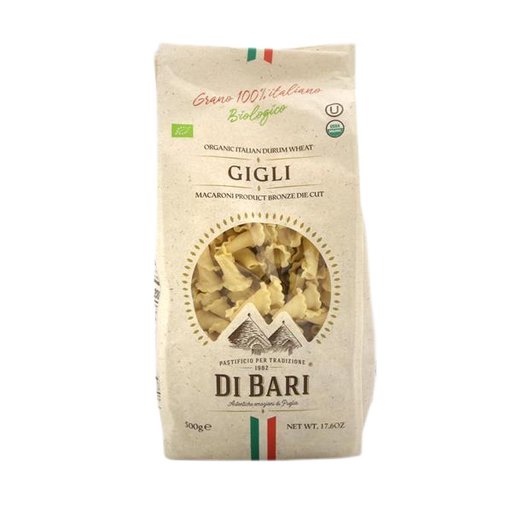
Gigli is now available in many countries, both in supermarkets and online. Some brands label it as “gigli,” others as “campanelle.” When buying, look for these signs of quality:
- 100% durum wheat semolina: For best texture.
- Bronze-cut: This gives a rough surface that holds sauce.
- Made in Italy: For authentic production.
Many top pasta makers, like Barilla and De Cecco, now include gigli in their product range. Artisanal brands may offer even higher quality, with a firmer bite and better flavor.
How To Cook And Serve Gigli For Best Results
Cooking gigli is simple, but a few tips can help you get the most from this unique shape:
- Use plenty of boiling salted water. Gigli needs space to move so it cooks evenly.
- Stir gently in the first minute to keep the cones from sticking.
- Check for “al dente” texture—a firm bite but fully cooked through.
- Pair with sauces that are chunky or creamy. Light, thin sauces may slip off.
Serving gigli at a dinner party? Try baking it with cheese and vegetables, or use it in a pasta salad where the shape will stand out.
Common Mistakes When Using Gigli Pasta
Even experienced cooks can make mistakes with gigli. Here are some to avoid:
- Overcooking: Gigli loses its unique shape if boiled too long.
- Using watery sauces: Thin sauces won’t stick well.
- Not enough sauce: The cones need plenty of filling to shine.
- Skipping the stir: Gigli can clump if not stirred early on.
By watching for these issues, you can enjoy gigli at its best.
Gigli Pasta: Authenticity And The Bigger Picture
So, is gigli pasta authentic? In the world of Italian food, authenticity is not always simple. Gigli is a true regional specialty from Tuscany, with roots going back at least 100 years. It may not be ancient or found in every Italian home, but it meets the main tests of authenticity: regional tradition, use in local dishes, and acceptance by Italians over time.
If you want to experience a real taste of Tuscany, gigli is a great choice. Just remember, Italian cuisine is always changing. What is “authentic” today was often new just a few generations ago. The most important thing is to enjoy the food and respect its roots.
For more details about the history of pasta shapes, you can visit this Wikipedia pasta shapes list.
Frequently Asked Questions
What Is The Difference Between Gigli And Campanelle Pasta?
There is no real difference—gigli and campanelle are two names for the same shape. “Gigli” is the Tuscan word for “lilies,” while “campanelle” means “little bells” in Italian. Both refer to a cone-shaped pasta with ruffled edges.
Is Gigli Pasta Used In Traditional Italian Dishes?
Yes, especially in Tuscany. It is often served with meat ragù, creamy sauces, or vegetables. While not as old as some shapes, it has become part of regional cooking in central Italy.
Can I Use Gigli Pasta In Place Of Penne Or Fusilli?
Absolutely. Gigli’s shape holds sauce well, like penne or fusilli. It works in baked dishes, pasta salads, or with chunky sauces. Its texture gives a different mouthfeel, but it is a good substitute.
How Do I Know If Gigli Pasta Is Authentic Italian?
Look for packages labeled “Made in Italy” and made from 100% durum wheat semolina. Bronze-cut gigli is best for holding sauce. Avoid brands with added ingredients or made outside Italy if you want the most authentic experience.
Is Gigli Pasta Suitable For Vegans?
Yes, most dried gigli pasta is vegan, made only from semolina and water. Always check the ingredient list, as some specialty gigli (like those colored with squid ink or eggs) may contain animal products.
Gigli pasta may not be the oldest or most famous Italian pasta, but it has earned its place as an authentic regional specialty. Try it in your kitchen—you might discover a new favorite.

