

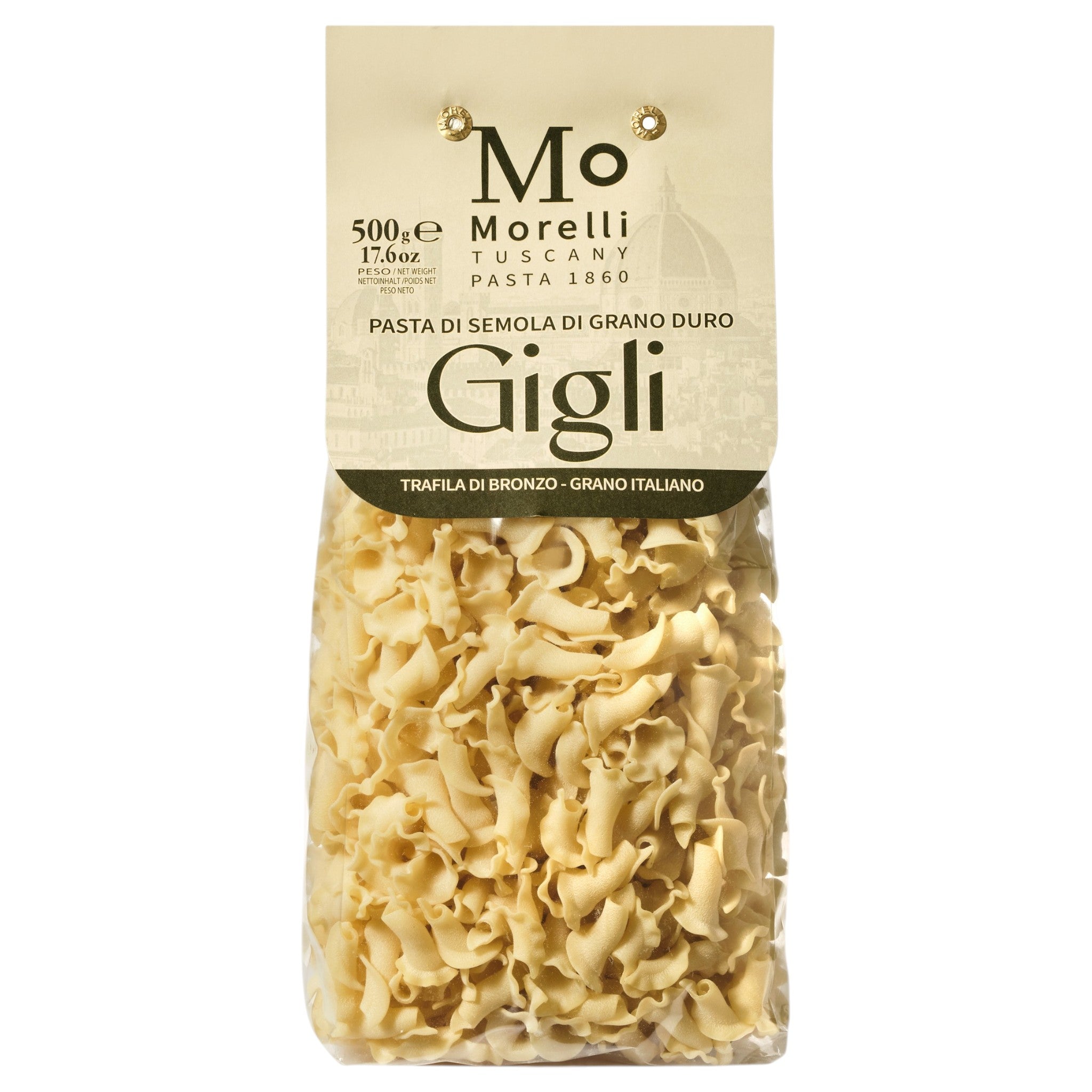
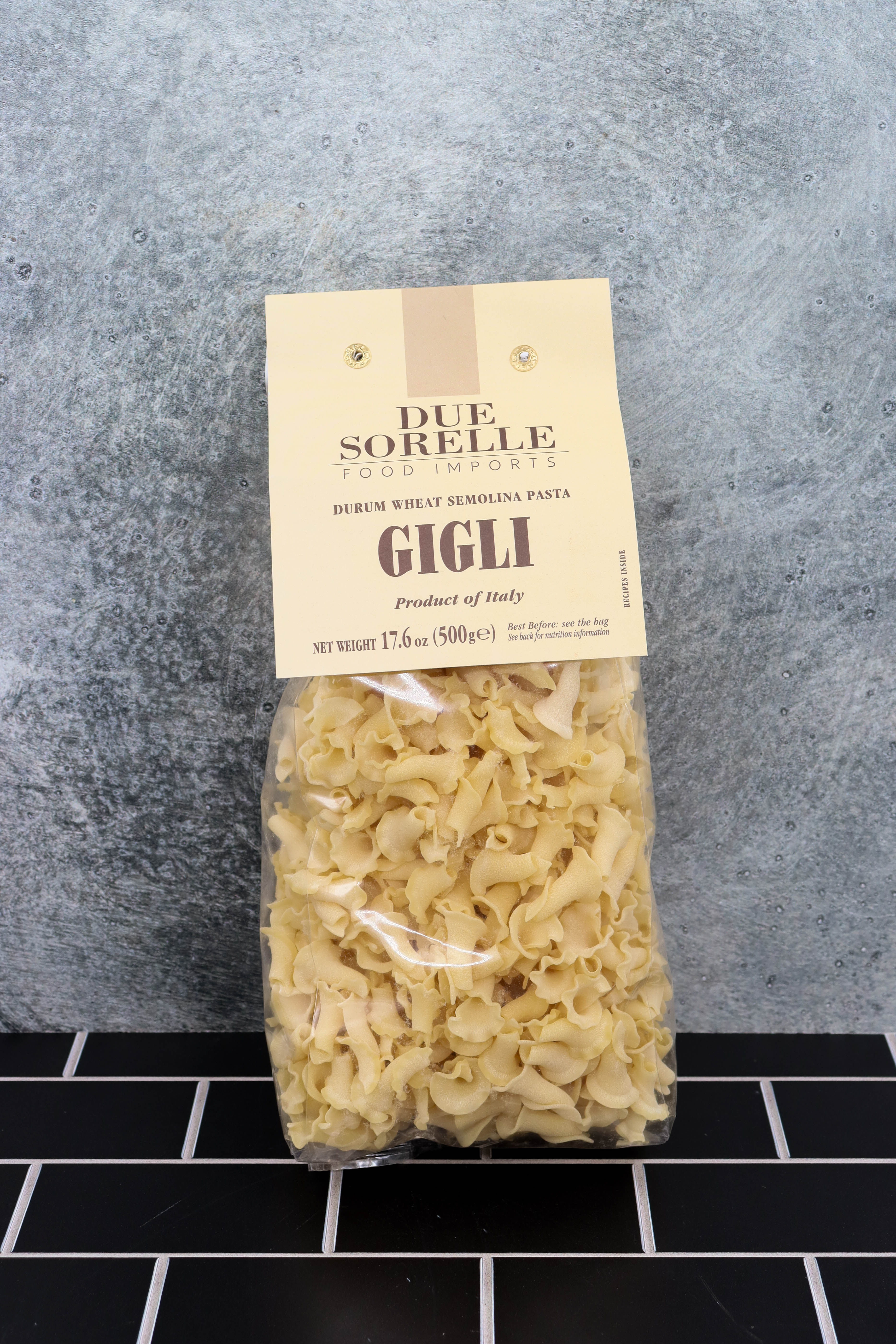
Italian Gigli pasta, also known as campanelle or “little lilies,” is a beautiful and unique pasta shape. Its ruffled edges and fluted cone make it a favorite for holding sauces and creating memorable dishes. But if you’re watching your diet or simply curious about nutrition, you might wonder: How many calories are in Italian Gigli pasta? The answer depends on several factors, including portion size, the type of flour used, and whether you’re eating it plain or with sauce. In this guide, you’ll discover exactly how many calories are in Gigli pasta, how it compares to other pastas, and how to enjoy it as part of a balanced meal.
What Is Gigli Pasta?
Gigli pasta originates from Tuscany, Italy. The word gigli means “lilies” in Italian. This pasta is shaped like a small flower or bell, with curled edges that trap sauce beautifully. Traditionally, it’s made from durum wheat semolina and water, though artisan versions can also use whole wheat or even gluten-free flours.
Gigli’s texture and shape make it ideal for creamy or hearty sauces. But when it comes to nutrition, it’s important to remember that the shape alone does not usually change the calorie count—what matters is the ingredients and how much you eat.
Calories In Plain Gigli Pasta
Standard Calorie Content
For most people, the main concern is the calories in plain, dry Gigli pasta. Like most traditional Italian pastas, Gigli is made from durum wheat semolina. The calorie content is almost the same as other similar short pastas.
For a typical serving, here’s what you can expect:
| Portion Size (Dry) | Calories | Carbs (g) | Protein (g) | Fat (g) |
|---|---|---|---|---|
| 1 oz (28g) | 100 | 21 | 3.5 | 0.6 |
| 2 oz (56g) | 200 | 42 | 7 | 1.2 |
| 3 oz (85g) | 300 | 63 | 10.5 | 1.8 |
Most nutrition labels in the US use 2 oz (56g) dry pasta as a standard serving size. This is about 1 cup of cooked pasta, and it contains approximately 200 calories.
Calories In Cooked Vs Dry Gigli
Pasta absorbs water as it cooks, so the same weight of cooked pasta contains fewer calories than dry. Here’s a quick comparison:
| Form | Portion Size | Calories |
|---|---|---|
| Dry | 2 oz (56g) | 200 |
| Cooked | 1 cup (~140g) | 200 |
One cup of cooked Gigli pasta (about 140g) has approximately the same calories as 2 oz dry pasta—around 200 calories. Remember, this does not include sauce or toppings.
Comparing Gigli To Other Pasta Types
People often ask if Gigli pasta is more or less fattening than penne, fusilli, or spaghetti. The answer: standard pastas made from durum wheat semolina have almost identical calories per gram. The biggest difference is the shape, which can affect how much sauce sticks, but not the pasta calories themselves.
Here’s how Gigli compares to other common pastas:
| Pasta Type | Calories per 2 oz (56g) Dry |
|---|---|
| Gigli | 200 |
| Penne | 200 |
| Fusilli | 200 |
| Spaghetti | 200 |
| Whole Wheat Pasta | 180 |
| Gluten-Free Pasta | 190 |
As you can see, there’s very little difference in calories between Gigli and other pasta shapes, unless you choose a different type of flour.
Factors That Can Change Calorie Count
While plain Gigli pasta has a predictable calorie value, a few factors can change the numbers:
1. Type Of Flour
Most Gigli pasta in stores is made from durum wheat semolina. However, you may find:
- Whole wheat Gigli: Slightly fewer calories, more fiber.
- Gluten-free Gigli: Similar calories, but sometimes more starch.
- Artisan or specialty Gigli: May use eggs or extra ingredients, raising calories slightly.
2. Portion Size
Many people accidentally eat more than the suggested serving. It’s easy to overcook and serve large amounts of pasta, especially with fun shapes like Gigli. Weighing your dry pasta before cooking helps you control the calories.
3. Cooking Method
Boiling pasta in salted water does not add calories, but using oil in the water or serving pasta fried or baked with cheese will add significant calories.
4. Added Sauces And Toppings
This is the biggest source of extra calories. Creamy sauces, cheese, and oils can easily double or triple the calorie count of your meal.
Popular Gigli Pasta Dishes And Their Calories
Gigli pasta is commonly used in rich, flavorful dishes. Here are a few examples with estimated calories per serving:
- Gigli with Marinara Sauce: About 250–300 calories per serving (1 cup pasta + ½ cup sauce).
- Gigli Alfredo: Around 400–500 calories per serving (1 cup pasta + ½ cup Alfredo sauce).
- Gigli Primavera (vegetables, olive oil): 320–380 calories per serving.
- Gigli with Pesto: 350–450 calories per serving (pesto is high in oil).
- Gigli Baked with Cheese: 450–550 calories per serving.
These values are for single servings (about 1 cup cooked pasta and moderate sauce). Extra cheese, sausage, or creamy sauces can add many more calories.
Portion Control Tips
It’s easy to eat more pasta than planned, especially with shapes like Gigli that hold a lot of sauce. Here are some ways to keep your portions and calories under control:
- Weigh your pasta before cooking. Use a kitchen scale for accuracy.
- Stick to 2 oz (56g) dry pasta per serving. This is about 1 cup cooked.
- Fill your plate with vegetables to add bulk and nutrition without many extra calories.
- Use tomato-based sauces instead of cream or cheese sauces for fewer calories.
- Add lean proteins like grilled chicken or beans to make your meal more satisfying.
Two non-obvious insights: The ruffled shape of Gigli can actually make your meal feel more filling, because it holds onto more sauce and air space compared to smoother pastas. Also, when using a thick sauce, you may find you need less overall, reducing the calorie impact.
Nutritional Value Beyond Calories
While calorie counting is helpful, it’s not the only measure of a healthy meal. Gigli pasta, like other durum wheat pastas, provides:
- Complex carbohydrates for steady energy
- Plant-based protein (about 7g per serving)
- B vitamins and iron
Whole wheat Gigli adds more fiber, which helps you feel full longer and supports digestion.
How To Make Lower-calorie Gigli Pasta Meals
If you want to enjoy Gigli pasta while keeping calories low, try these strategies:
- Swap half the pasta for vegetables. Steam or roast broccoli, zucchini, or bell peppers and mix them with your pasta.
- Use a light tomato or vegetable sauce. Avoid heavy cream or butter-based sauces.
- Top with fresh herbs instead of cheese for flavor without extra calories.
- Try whole wheat Gigli for more fiber, which can help you eat less overall.
If you’re making your own Gigli pasta at home, consider using part whole wheat flour or adding pureed vegetables to the dough for extra nutrition with little calorie increase.
Is Gigli Pasta Good For Weight Loss?
Gigli pasta can be part of a healthy diet—even for weight loss—if you:
- Eat moderate portions
- Balance your meal with vegetables and lean proteins
- Avoid high-calorie sauces and heavy cheese
The key is to focus on the full meal, not just the pasta itself. Pasta is not inherently fattening—overeating is.
For a deeper look at pasta nutrition, you can read more at the Wikipedia page on pasta.
Frequently Asked Questions
How Many Calories Are In 100g Of Cooked Gigli Pasta?
100g of cooked Gigli pasta has about 140 calories. This is slightly less than 1 cup, which usually weighs around 140g and contains about 200 calories. The exact number can change a little depending on the brand and how much water the pasta absorbs.
Does The Sauce Change The Calorie Count A Lot?
Yes. Sauces can change your calorie count by a large amount. Tomato-based sauces add about 40–80 calories per serving. Cream or cheese sauces can add 150–300 calories or even more, depending on the ingredients and portion size.
Is Gigli Pasta Healthier Than Other Shapes?
Gigli pasta is not healthier or less healthy than other pasta shapes if made from the same ingredients. The main difference is in how much sauce it holds. Whole wheat Gigli is healthier than regular white pasta because of higher fiber content.
How Can I Measure A Serving Without A Scale?
You can use visual cues: One serving (2 oz dry) is about a heaping handful of dry Gigli pasta or about 1 cup cooked. If you want to be precise, a small kitchen scale is the best tool.
Can I Eat Gigli Pasta If I’m On A Diet?
Yes, you can include Gigli pasta in most diets. Just watch your portion size and pair it with vegetables and lean proteins. Choose lighter sauces and avoid extra cheese or oil for fewer calories.
Gigli pasta is a joyful part of Italian cuisine. By understanding how many calories are in it and how to keep your portions balanced, you can enjoy its unique shape and texture as part of a healthy lifestyle. Pasta does not have to be off-limits—just be mindful of your choices and savor every bite.


