When you walk down the pasta aisle, it’s easy to feel overwhelmed by the many shapes and names. Two varieties that often catch the eye are Gigli pasta and Farfalle. At first glance, they both look decorative and fun. But what truly sets them apart? This article explores the differences between gigli and farfalle, from their history and appearance to their best uses in the kitchen. If you’re curious about pasta, or want to make the right choice for your next meal, read on.
What Is Gigli Pasta?
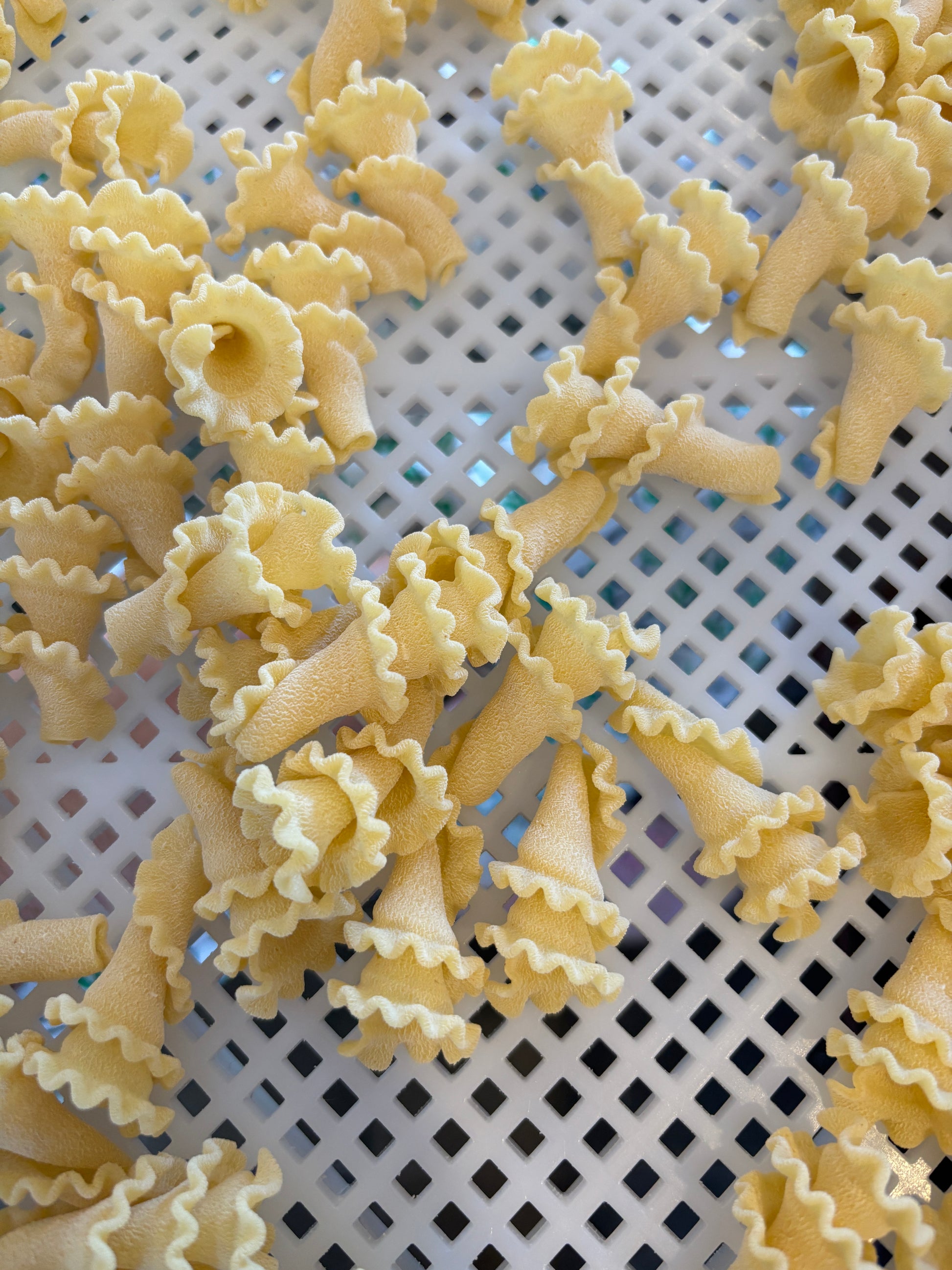
Gigli, sometimes called campanelle, comes from the Italian word for “lily.” If you look closely, you’ll notice this pasta shape does look like a flower or a small bell with ruffled edges. Gigli is not as common as penne or spaghetti, but it’s gaining popularity among home cooks and chefs. The pasta is usually made from semolina flour and water, though some artisan makers use eggs for a richer taste.
History And Origin
Gigli pasta is believed to have originated in Tuscany, Italy. The name “campanelle” actually means “little bells,” a nod to its unique shape. Unlike classic pasta shapes that date back centuries, gigli is a relatively new addition, becoming popular in the 20th century as pasta makers experimented with more artistic designs. Its ruffled edges and hollow center are not just for looks—they help hold onto sauces and ingredients better than smoother shapes.
Typical Uses
Gigli’s design makes it perfect for thick or chunky sauces. The folds and center trap pieces of meat, vegetables, or beans, making every bite flavorful. It’s also great for baked pasta dishes, since it holds up well in the oven and doesn’t get mushy easily.
What Is Farfalle?
Farfalle, also called bow-tie or butterfly pasta, gets its name from the Italian word for “butterflies.” Each piece is shaped by pinching a small rectangle of pasta dough in the middle, creating a pretty bow or butterfly effect. Farfalle is one of the most recognizable pasta shapes and is widely available in supermarkets worldwide.
History And Origin
Farfalle has roots in the Lombardy and Emilia-Romagna regions of Northern Italy. Its history goes back to at least the 16th century, making it much older than gigli. Families would often make farfalle by hand, using leftover pasta dough. The shape became a favorite for its visual appeal and versatility.
Typical Uses
Farfalle is a true all-rounder. It works well with light tomato sauces, creamy Alfredo, or even cold pasta salads. Its pinched center is a little thicker, so it offers a pleasant bite, while the flat wings catch lighter sauces and herbs.
Comparing Appearance And Texture
Visual differences are the easiest way to tell gigli and farfalle apart, but there are also important differences in texture and how they interact with sauces.
| Pasta Shape | Appearance | Texture |
|---|---|---|
| Gigli | Bell-shaped with ruffled edges | Firm, holds shape, deep folds |
| Farfalle | Bow-tie or butterfly shape, pinched center | Thicker in the center, soft wings |
Gigli stands out for its curled, flower-like shape. The outer edge is often ruffled, and the pasta forms a cone or trumpet. This gives it more surface area, which means more sauce in every bite.
Farfalle is flat on the sides with a tight pinch in the middle. The center stays a bit firmer after cooking, while the edges are more delicate. This creates a pleasant mix of textures in each mouthful.
Cooking Methods And Timing
Both gigli and farfalle cook in boiling salted water like most pasta, but there are slight differences in timing and technique.
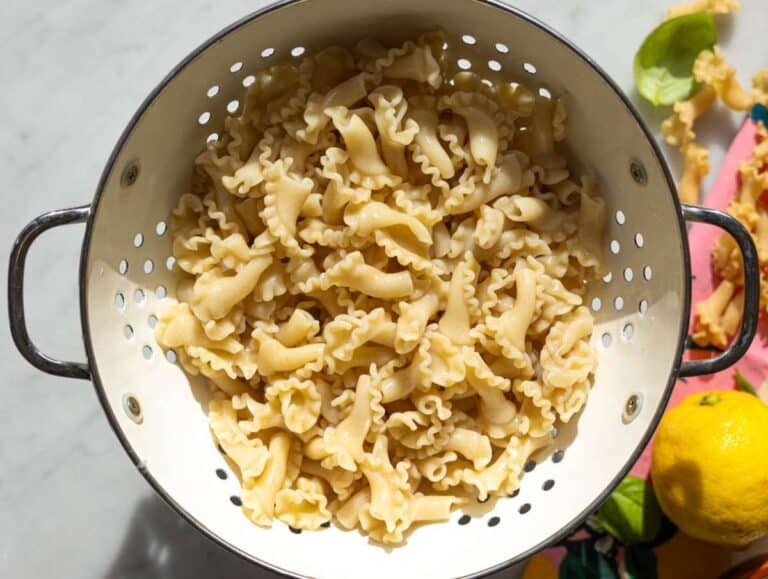
- Gigli: Because of its thicker shape and folds, gigli usually takes 10-13 minutes to cook until al dente. Stir gently to prevent pieces from sticking together.
- Farfalle: Farfalle cooks a bit faster, usually in 9-11 minutes. The pinched center can sometimes stay firmer than the wings, so check a few pieces for doneness.
A tip many beginners miss: always taste test pasta a minute before the package suggests. Both shapes can go from perfect to overcooked quickly, and texture is key to a good pasta dish.
Sauce Pairings: What Works Best?
The design of pasta shapes isn’t just for beauty—it affects how sauces cling and flavor spreads. Here’s how gigli and farfalle match up with popular sauces.
| Pasta Shape | Best Sauce Types | Why? |
|---|---|---|
| Gigli | Chunky tomato, meat ragù, creamy sauces | Folds trap sauce, ruffles hold ingredients |
| Farfalle | Pesto, light tomato, cream, cold salads | Flat wings catch thin sauces, center adds bite |
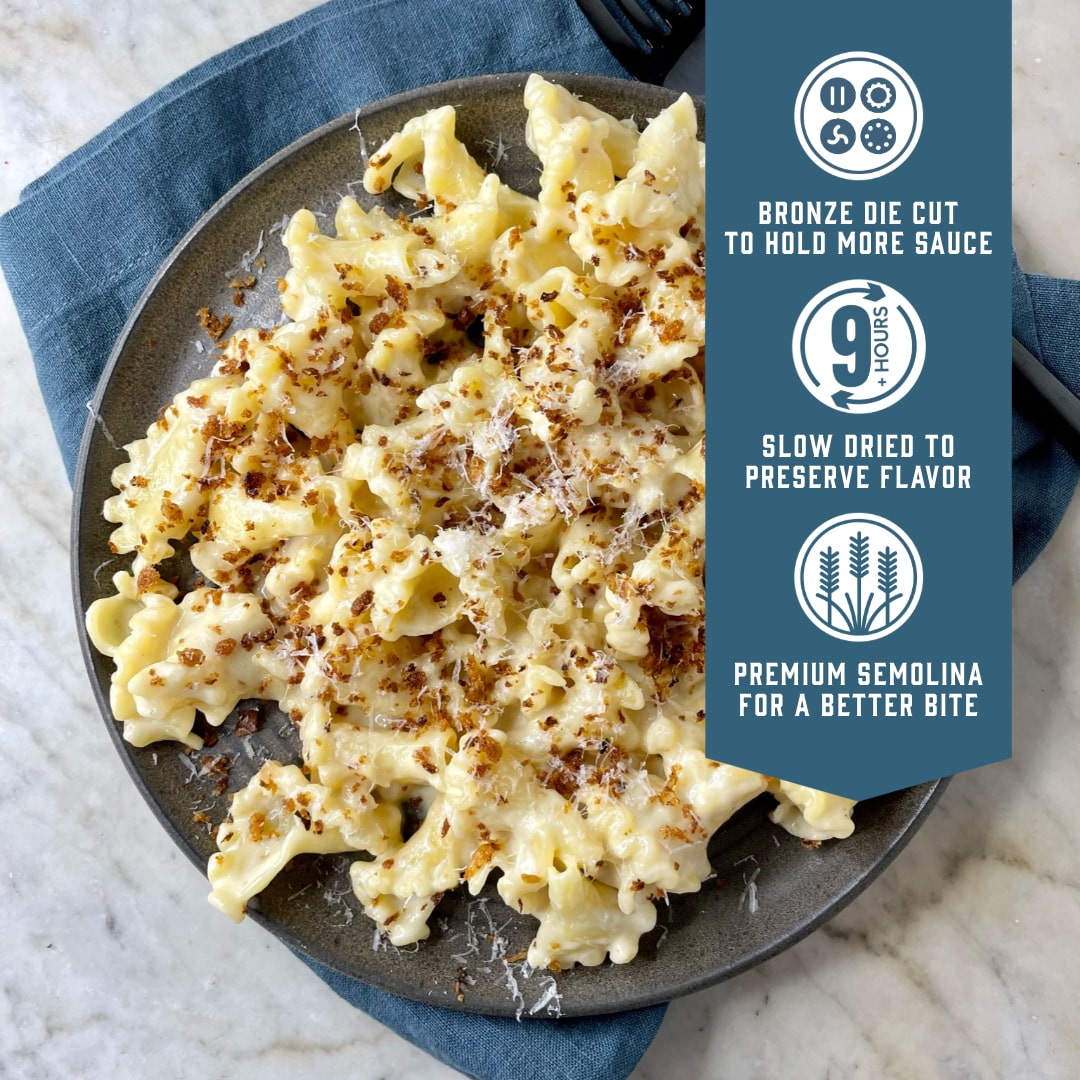
Gigli is your best choice for sauces with texture—think bolognese, sausage, or vegetable-heavy ragù. The pasta’s curves trap small pieces, making every bite interesting.
Farfalle works well in lighter dishes and pasta salads. The wings grab thin sauces like pesto, while the center holds up in creamy dishes. It’s also a favorite for kids because of its fun shape.
Nutritional Comparison
Pasta is a staple for energy, but are there nutritional differences between gigli and farfalle? Both are typically made with durum wheat semolina, but the exact nutrition depends on brand and recipe.
Here’s a typical comparison for a 2-ounce (56g) dry serving:
| Pasta Type | Calories | Protein (g) | Carbohydrates (g) | Fiber (g) |
|---|---|---|---|---|
| Gigli | 200 | 7 | 42 | 2 |
| Farfalle | 200 | 7 | 41 | 2 |
As you can see, there’s no major nutritional difference if both are made from similar ingredients. The main variation comes from what you add—sauces, cheeses, or vegetables. Some brands offer whole wheat or gluten-free versions, which can add fiber or reduce gluten.
Practical Kitchen Tips
Making the most of gigli and farfalle means more than just cooking them right. Here are two insights beginners often miss:
- Gigli absorbs more sauce: Because of its ruffled shape, gigli often soaks up more liquid than flat pastas. Use a little extra sauce or reserve some pasta water to add at the end.
- Farfalle’s center cooks slower: The thick pinch in the middle of farfalle can stay undercooked if you don’t stir the pot well. Make sure to check both edges and center for doneness.
- Presentation matters: Both shapes look beautiful on a plate, but gigli works well in layered or baked dishes, while farfalle shines in mixed salads and cold presentations.
When To Choose Gigli Vs Farfalle
Choosing between gigli and farfalle is about more than just looks. Here’s when to pick each:
- Choose gigli when you want to impress with a unique shape, or when your sauce is chunky and hearty. It’s perfect for baked casseroles, thick ragù, or when you want the pasta to be the star.
- Pick farfalle when you need a crowd-pleaser for kids, want a pasta salad for a picnic, or are using a lighter sauce. It’s more widely available and often less expensive.
If you’re cooking for guests, gigli can spark conversation because it’s less common. For family meals or parties, farfalle’s familiar shape and mild bite make it a safe, popular choice.
Price And Availability
Farfalle is found in almost every supermarket, from budget brands to gourmet options. Gigli can be harder to find, especially outside Italy or in smaller stores. Specialty Italian markets or online shops often carry gigli, sometimes at a slightly higher price.
On average, farfalle costs about $1–$2 per pound for standard brands, while gigli might be $3–$5 per pound, especially for artisan or imported versions.
Sustainability And Production
Both gigli and farfalle are typically made from the same basic ingredients, so their environmental impact is similar. However, gigli’s shape requires special molds and sometimes more production time, which can increase energy use in factories. For home cooks concerned about sustainability, choosing pasta from brands that use renewable energy or local grains can help reduce the impact. The choice between gigli and farfalle won’t make a huge difference for most, but it’s worth considering if you buy large quantities or specialty products.
Cultural Significance
Farfalle appears in many classic Italian dishes and is a symbol of Northern Italian cuisine. Its butterfly shape is often used in festive dishes and is a favorite for children’s meals. Gigli, while less common, is sometimes served at special occasions in Tuscany. Its lily shape is symbolic, as the lily is the emblem of Florence, connecting the pasta to regional pride.
Sample Dishes
If you want to try these pastas, here are two ideas:
- Gigli with sausage and mushroom ragù: Sauté Italian sausage, mushrooms, garlic, and onions. Add tomato sauce and simmer. Toss with cooked gigli and top with Parmesan.
- Farfalle pasta salad: Cook farfalle and chill. Mix with cherry tomatoes, mozzarella, basil, olive oil, and a splash of lemon juice. Serve cold.
Both are simple, but the right pasta shape makes the dish stand out.
Expert Opinion
Chefs often choose gigli for gourmet presentations, as its shape holds sauce and looks elegant. Farfalle is a go-to for everyday meals, offering familiarity and versatility. According to culinary experts, the shape of pasta matters as much as the sauce—choosing the right one can turn a good dish into a great one.
For more about pasta shapes and their origins, you can visit the Wikipedia List of Pasta Shapes.
Frequently Asked Questions
What Is The Main Difference Between Gigli And Farfalle?
The main difference is in the shape and texture. Gigli is shaped like a bell or lily with ruffled edges, while farfalle looks like a bow tie or butterfly. Gigli has more folds, which hold onto chunky sauces, while farfalle is flatter with a pinched center that works well with lighter sauces.
Can I Substitute Farfalle For Gigli In Recipes?
Yes, you can often substitute farfalle for gigli, especially in recipes with lighter sauces or pasta salads. However, for very chunky or baked dishes, gigli may perform better because it traps more sauce and ingredients.
Are Gigli And Farfalle Gluten-free?
Most traditional gigli and farfalle are made from wheat flour, so they are not gluten-free. However, some brands make gluten-free versions using rice, corn, or quinoa flour. Always check the packaging if you need a gluten-free product.
Which Pasta Is Better For Kids?
Farfalle is often more popular with kids because of its fun butterfly shape and soft texture. It’s also widely available in smaller sizes. Gigli can be a fun alternative if your children enjoy trying new shapes.
How Should I Store Gigli And Farfalle?
Store both types of pasta in a cool, dry place in an airtight container. If the package is opened, transfer the pasta to a sealed jar or bag to keep out moisture and bugs. Properly stored, dry pasta can last for up to two years.
Whether you’re a pasta lover or just starting to explore Italian cuisine, knowing the difference between gigli and farfalle helps you make better choices in the kitchen. Next time you cook, try using the right shape for your sauce—you might be surprised how much it changes the dish.