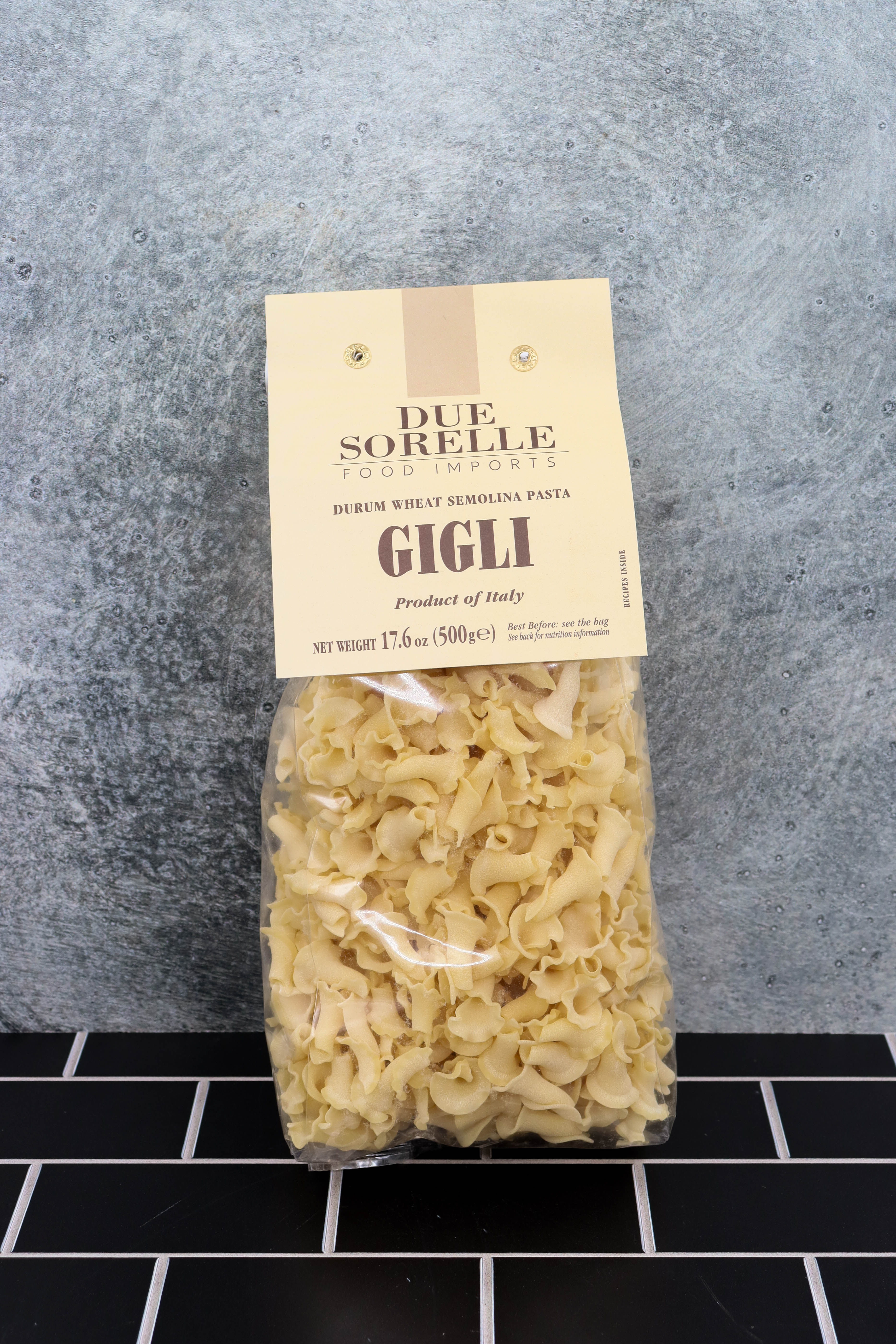
Gigli pasta, with its beautiful bell shape and ruffled edges, has started to appear in many kitchens and restaurants. Some say it’s an authentic Italian pasta, while others think it is a modern creation. But what’s the real story? Is gigli pasta truly Italian, and does it belong with Italy’s rich pasta traditions? Let’s explore the history, the unique shape, and how Italians view gigli pasta today.
The Meaning And Shape Of Gigli Pasta
Gigli means “lilies” in Italian. This pasta is also called campanelle, which means “little bells.” Both names describe its signature look: a cone or bell shape with ruffled edges that open out like flower petals. The design is not just for beauty—those folds and openings catch sauce perfectly, making every bite flavorful.
You’ll sometimes see gigli pasta sold as riccioli (curls) or toscani (from Tuscany). The shape is closely linked to the lily, the symbol of Florence in Tuscany. This connection is why some people say gigli pasta is a Tuscan specialty. But is that true?
A Brief History Of Pasta In Italy
To understand if gigli pasta is authentic, it helps to know how pasta shapes develop in Italy. Italy has over 350 official pasta shapes and hundreds more regional variations. Most shapes come from a need: to hold a type of sauce, to use local flour, or to celebrate a festival.
- Oldest shapes: Like spaghetti, lasagne, or orecchiette, which date back centuries.
- Regional pasta: Each Italian region has its own shapes and names, often made for special holidays or local dishes.
- New inventions: Some shapes were created in the 20th century or later, often for marketing or because of new machines.
So, a pasta shape does not need to be ancient to be considered “authentic. ” But true Italian pasta usually comes from a region, has a story, and is used in local recipes.
Where Did Gigli Pasta Come From?
Many believe gigli pasta is from Tuscany, but the evidence is not clear. Unlike famous Tuscan pastas like pici or pappardelle, gigli does not appear in old Tuscan cookbooks or food histories before the 1900s. Some food historians think gigli was designed in the late 20th century, when pasta makers looked for new shapes to sell.
Still, some Tuscan producers have adopted gigli as a regional specialty, and local shops in Florence sell it as “pasta gigli fiorentini. ” The shape’s connection to the lily (Florence’s symbol) helps with this story. Today, some Italians consider gigli “Tuscan” even though its roots may be modern.
Comparison Of Pasta Shapes And Their Regions
Here’s a quick look at famous pasta shapes and their regional origins:
| Pasta Shape | Region | Approximate Origin Date |
|---|---|---|
| Orecchiette | Apulia (Puglia) | 1500s |
| Pici | Tuscany | Medieval |
| Trofie | Liguria | 1700s |
| Gigli/Campanelle | Tuscany (claimed) | Late 1900s |
Is Gigli Pasta Really “authentic” Italian?
The word “authentic” means different things to different people. For some, it means old, traditional, and local. For others, it means “used in Italy” or “created by Italians.” Here’s how gigli pasta fits both views:
- Not ancient: Gigli is not a centuries-old shape. There’s little evidence of gigli before the late 1900s.
- Made in Italy: Most gigli pasta sold today is made by Italian companies. Some are in Tuscany, some in other regions.
- Served in Italy: You can find gigli pasta in Italian shops and restaurants, mostly in Tuscany and central Italy.
- Linked to Florence: The lily shape connects gigli to Florence, giving it a “local” story.
So, gigli pasta is not ancient, but it is Italian. It’s a modern pasta shape that has been accepted into Italian kitchens—especially in Tuscany.
How Italians Use Gigli Pasta
Even if gigli is a newer shape, Italian cooks have found ways to use it. Its unique design holds thick, chunky sauces very well. Here’s how it’s often used:
- With creamy sauces: Gigli’s ruffles catch cheese and cream sauces, like gorgonzola or four cheese.
- With chunky vegetables: Sauces with peas, mushrooms, or artichokes cling to the folds.
- In baked dishes: The shape holds up well for baked pasta casseroles.
- For special meals: The pretty shape is popular for holidays or when guests come over.
Typical Gigli Pasta Pairings
| Type of Sauce | Why It Works |
|---|---|
| Cheese Sauces (e.g., Gorgonzola, Fontina) | Ruffles catch melted cheese, making every bite rich |
| Vegetable Sauces (e.g., zucchini, peas, mushrooms) | Shape holds small pieces of vegetables and sauce |
| Meat Sauces (e.g., sausage, ragù) | Thick sauces fill the bell shape for full flavor |
How Gigli Pasta Is Made
Most gigli pasta is made from durum wheat semolina and water, just like most dry Italian pasta. The shape is usually made by extrusion—pushing the dough through a special bronze die that forms the bell and ruffled edge.
Some small Tuscan pasta makers use old-fashioned methods:
- Small batches: Dough is mixed slowly and shaped carefully.
- Bronze dies: These give gigli a rough texture, which helps sauce stick.
- Slow drying: Pasta is dried at low temperatures for better flavor.
This focus on quality is part of what makes even a modern pasta shape like gigli “authentic” in the Italian sense.
Gigli Pasta Vs. Campanelle: Are They The Same?
You might see boxes labeled “gigli” or “campanelle” in stores. Are they different? Not really—they’re two names for the same shape. Both have the ruffled bell look. Some brands use “gigli,” others “campanelle,” and a few use both. In the US, “campanelle” is more common, but Italian producers often prefer “gigli” or “gigli toscani.
”
Side-by-side Comparison
| Name | Region/Origin | Typical Use |
|---|---|---|
| Gigli | Tuscany (claimed) | Thick sauces, vegetables, baked dishes |
| Campanelle | Same as gigli | Same uses |
Why Is Gigli Pasta Popular Now?
Gigli’s popularity has grown outside Italy for several reasons:
- Unusual shape: The flower-bell look stands out on a plate.
- Perfect for sauces: Home cooks love how it holds thick and chunky sauces.
- Instagram appeal: It looks beautiful in photos, making it a favorite for food bloggers.
- Available worldwide: Many big pasta brands now offer gigli or campanelle in US and European supermarkets.
But remember: not all “Italian” gigli is equal. Some brands make it in Italy; others make it abroad. If you want the most authentic version, look for “Made in Italy” and check the ingredient list for durum wheat semolina.

How To Cook And Serve Gigli Pasta
Cooking gigli pasta is easy, but there are a few tips to get the best result:
- Use plenty of boiling, salted water—about 4 quarts (4 liters) per pound (450g).
- Stir gently at first to prevent sticking.
- Cook until al dente (firm to the bite), usually 9-13 minutes depending on the brand.
- Drain but save a little cooking water. This can help blend the pasta with the sauce.
- Toss with your chosen sauce and serve immediately.
Serving Ideas
- Gigli with creamy gorgonzola sauce and walnuts
- Gigli with sausage, peas, and a splash of cream
- Baked gigli with tomato, mozzarella, and fresh basil
For a Tuscan touch, try pairing gigli with local ingredients like wild boar ragù or porcini mushrooms.
Non-obvious Insights About Gigli Pasta
Most beginners miss these important details about gigli pasta:
1. Gigli absorbs more sauce than many shapes. Its folds and inner bell shape trap more sauce, so you may need a bit more sauce than with penne or fusilli.
2. Gigli can break if overcooked. Because of its shape, gigli is more delicate when cooked too long. Watch carefully, and taste-test a piece before draining.
These details can help you get the best results with this special pasta.

Authenticity In Italian Food: Tradition Vs. Innovation
Italy is famous for protecting its food traditions. Products like Parmigiano Reggiano and San Marzano tomatoes have strict rules and long histories. But Italian food also changes. New pasta shapes appear, and old ones sometimes disappear.
Gigli is a good example of how modern inventions can become part of the Italian kitchen. While not ancient, gigli fits with Italian cooking values: quality ingredients, clever design, and a link to local symbols (the lily of Florence).
If you visit Italy, you’ll see both old and new pasta shapes in shops and restaurants. Italians enjoy both, as long as the pasta is good and the meal is made with care.
For more about pasta history and regional traditions, see Wikipedia’s pasta list.
Frequently Asked Questions
What Does “gigli” Mean In Italian?
Gigli means “lilies” in Italian. The pasta is shaped like a flower or a bell, which is why it’s sometimes called “campanelle” (“little bells”).
Is Gigli Pasta The Same As Campanelle?
Yes, gigli and campanelle are two names for the same pasta shape. Both have a ruffled, bell-like design and are used with similar sauces.
Is Gigli Pasta Gluten-free?
Most gigli pasta is made from durum wheat semolina, so it is not gluten-free. However, some brands now make gluten-free gigli using rice or corn flour. Always check the label if you need gluten-free pasta.
Can I Use Gigli Pasta In Baked Dishes?
Absolutely! Gigli holds its shape well in baked pasta recipes. Its ruffled edges and bell shape trap sauce and cheese, making it perfect for casseroles.
Is Gigli Pasta Really From Tuscany?
The shape is often linked to Tuscany, especially Florence, because of the lily symbol. But gigli’s true origin is modern, and it does not appear in old Tuscan recipes. Today, many Tuscan pasta makers call it their own, and it’s accepted as a local specialty.
Gigli pasta may not be as old as spaghetti or pici, but it brings beauty, function, and a touch of Tuscany to the table. If you enjoy its look and taste, that’s the best test of authenticity.