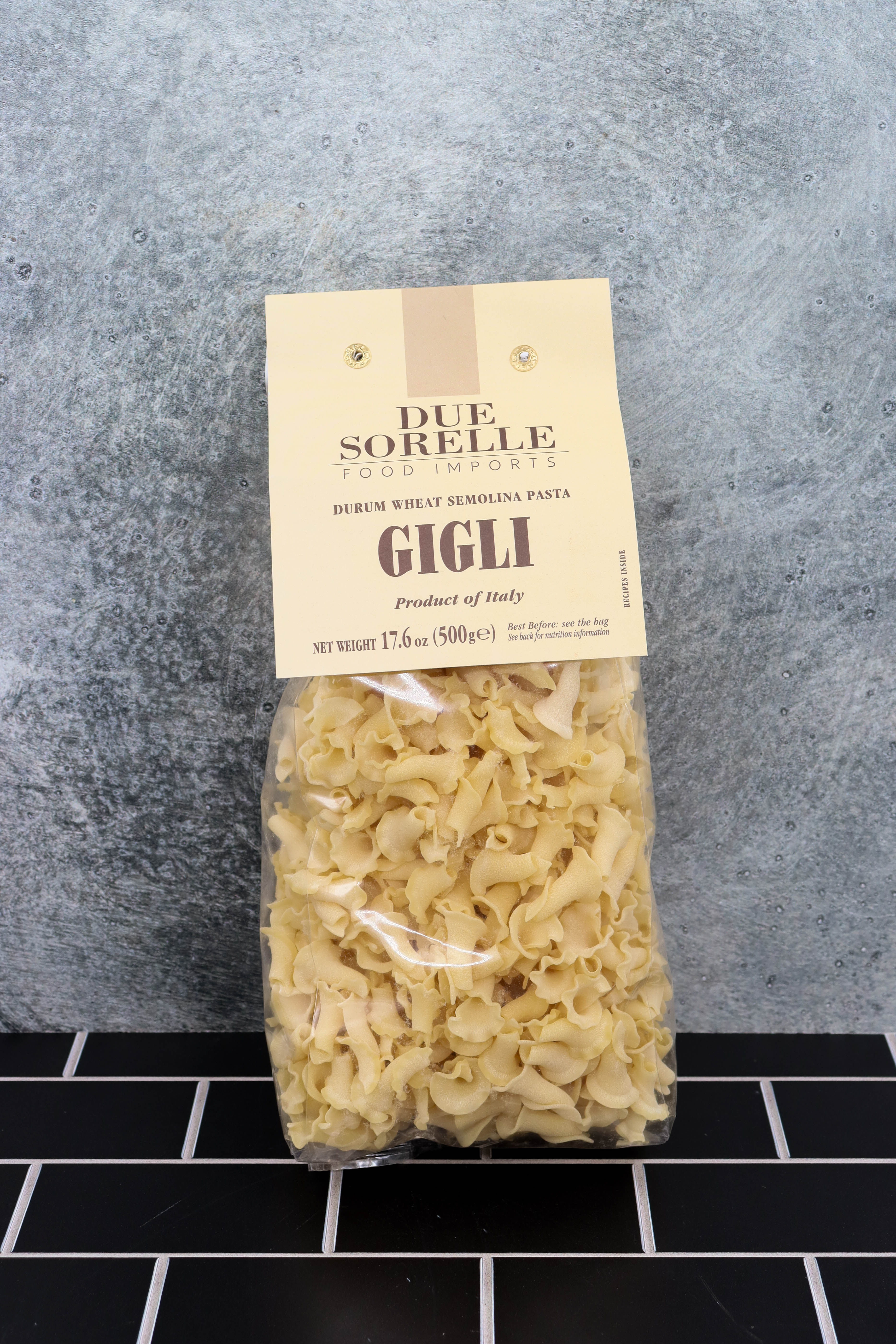
Gigli pasta stands out with its unique flower-shaped ruffles and is a true symbol of Italian creativity in cooking. If you love exploring new pasta shapes or want to know exactly what goes into this beautiful noodle, you’re in the right place.
Many people see gigli’s elegant design and wonder what it’s made of, how it’s different from other pasta, and whether it’s suitable for different diets. This article clears up those questions and gives you a deep look at gigli pasta—its ingredients, production, variations, and everything in between.
What Is Gigli Pasta?
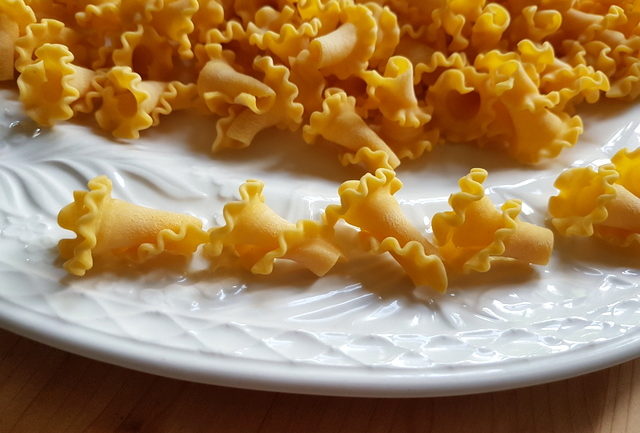
Gigli pasta, sometimes called campanelle (meaning “little bells” in Italian), is a short pasta with a fluted, cone-like shape and ruffled edges. Each piece looks like a small, twisted flower or bell. This shape is not just about looks—the folds and curves are perfect for holding sauces, making it a favorite for both home cooks and chefs. Originally from the Tuscany region, gigli has become popular worldwide.
The name “gigli” means “lilies” in Italian, and its design was inspired by the lily flower—a symbol of the city of Florence. Whether you find it in artisan pasta shops or on specialty grocery shelves, gigli’s delicate appearance often sparks curiosity about how it’s made and what goes into it.
Main Ingredients Of Gigli Pasta
At its core, gigli pasta is made from simple, natural ingredients. The foundation is the same as most traditional Italian dry pasta:
- Durum wheat semolina
- Water
Let’s explore these ingredients in detail.
Durum Wheat Semolina
The primary ingredient is durum wheat semolina—a hard, high-protein wheat milled into a coarse flour. This is what gives gigli pasta its signature chewy texture and golden color. Durum wheat has a higher gluten content than common wheat, which helps the pasta hold its shape after cooking and gives it a pleasant bite.
Semolina also absorbs water differently than softer flours, allowing gigli to remain firm even in rich, saucy dishes. In Italy, using 100% durum wheat semolina is a legal requirement for dried pasta labeled “pasta di semola di grano duro. ”
Water
Water is the second essential ingredient. When mixed with semolina, it forms a stiff dough. This dough is then shaped—by machine or by hand—into gigli’s signature flower-like curls. No salt or oil is usually added to the dough itself; seasoning happens during cooking.
Optional Ingredients And Variations
Some specialty gigli pasta may include egg—especially fresh, handmade versions. Egg adds richness and a slightly softer texture. However, most commercial dry gigli pasta contains only semolina and water.
You may also find colored or flavored gigli, where small amounts of ingredients like spinach (for green), beetroot (for red), or squid ink (for black) are mixed into the dough. These versions are less common but add a creative twist to the traditional recipe.
How Gigli Pasta Is Made
The process of making gigli pasta combines art and science. While industrial production uses machines, some artisans and home cooks still make gigli by hand. Here’s how it typically works:
Industrial Production
Most gigli pasta you find in stores is made using an extrusion machine. The dough is forced through a bronze die—a special mold that shapes the pasta into its bell-like curls and ruffles. Bronze dies give the pasta a rough surface, which helps sauces cling better.
After shaping, the pasta is dried slowly at low temperatures. This step is crucial for preserving flavor and texture.
Handcrafted Gigli
Handmade gigli is a rare treat. Artisans roll out the dough, cut it into small squares, and twist each piece around a wooden dowel or finger to form the signature bell shape. The ruffled edge is created by pressing or pinching, sometimes with a fluted pastry wheel.
Because this method is labor-intensive, handmade gigli is often reserved for special occasions or sold in high-end shops.
Nutritional Profile Of Gigli Pasta
Gigli pasta’s nutrition depends mainly on the ingredients used. Here’s a typical breakdown for 2 ounces (56 grams) of dry, durum wheat gigli pasta:
| Nutrient | Amount per 56g (dry) |
|---|---|
| Calories | 200 kcal |
| Protein | 7 g |
| Carbohydrates | 42 g |
| Fiber | 2 g |
| Fat | 1 g |
| Sodium | 0 mg |
If eggs or vegetables are added, the nutrition changes slightly—more protein, vitamins, or color, but the base remains similar.
Non-obvious insight: Gigli’s ruffled shape doesn’t affect nutrition, but its surface allows for more sauce per bite, which can impact the overall calorie count when served.
Gigli Pasta Vs. Other Pasta Shapes
Many pasta lovers wonder how gigli compares to other shapes in terms of ingredients, usage, and texture. Here’s a quick look:
| Pasta Shape | Main Ingredients | Best For | Texture |
|---|---|---|---|
| Gigli | Durum wheat, water | Thick sauces, baked dishes | Chewy, holds sauce well |
| Penne | Durum wheat, water | Chunky sauces | Firm, smooth or ridged |
| Farfalle | Durum wheat, water | Light sauces, salads | Firm center, tender edges |
| Fusilli | Durum wheat, water | Pesto, vegetable sauces | Springy, twists hold sauce |
Key takeaway: Gigli’s shape is especially good for creamy or chunky sauces, as the folds trap ingredients for flavorful bites.
Gluten-free And Specialty Gigli Pasta
Today, many brands offer gluten-free gigli pasta to meet dietary needs. These are made from flours like:
- Rice flour
- Corn flour
- Quinoa flour
- Chickpea flour
The process is similar to wheat-based gigli, but the texture and taste can be slightly different—usually less chewy and more delicate.
Non-obvious insight: Some gluten-free versions use a blend of flours to mimic the elasticity of durum wheat, so always check the label if you have allergies or specific preferences.
You may also find whole wheat gigli or versions with added vegetables for extra fiber and nutrients. These options appeal to health-conscious eaters but may cook faster or have a stronger flavor than classic gigli.
Is Gigli Pasta Vegan Or Vegetarian?
Most dry gigli pasta made from semolina and water is vegan and vegetarian. However, always check for:
- Eggs: Some fresh or artisanal gigli may include eggs (not vegan).
- Flavored varieties: Rarely, certain flavors could contain cheese or animal-derived coloring.
If you want true vegan gigli, look for products labeled “egg-free” and check the ingredient list. Major brands usually provide this information on packaging.
Common Uses For Gigli Pasta
Gigli’s special shape makes it versatile in the kitchen. Here are popular ways to use gigli pasta:
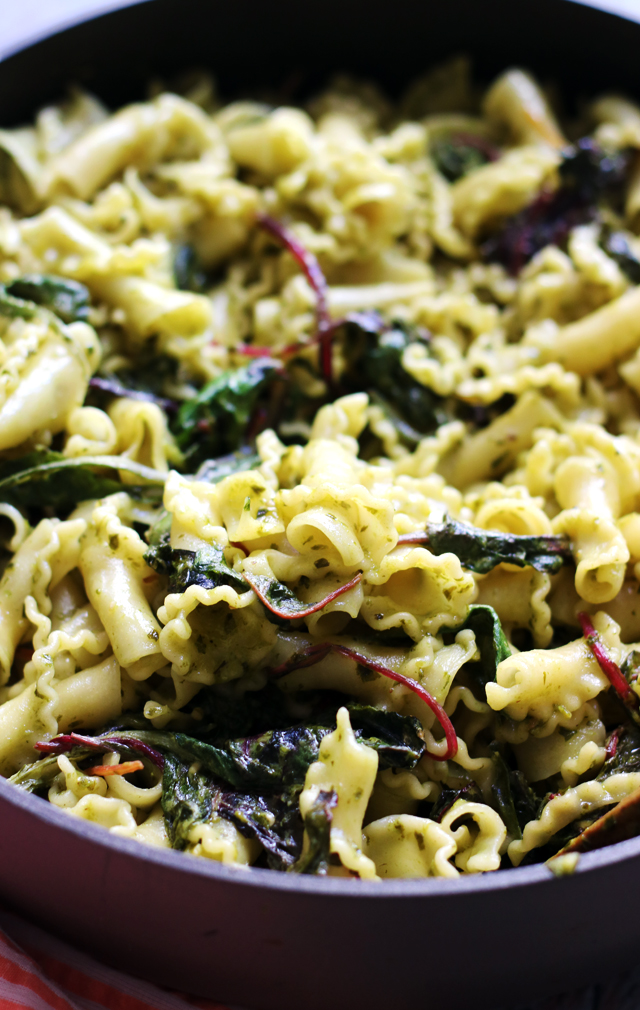
- Baked casseroles: The ruffled edges and hollow center trap cheese and sauce, making gigli perfect for baked pasta dishes.
- Hearty ragù: Thick meat or vegetable sauces cling to gigli’s curves.
- Creamy sauces: Alfredo, cheese, or mushroom sauces coat the pasta evenly.
- Pasta salads: The shape holds vinaigrettes and chopped ingredients well.
- Soups: Gigli adds fun texture, though it’s less common in brothy soups compared to smaller shapes.
Practical tip: Because gigli is a bit larger and denser than some pasta, it may require a minute or two longer to cook than spaghetti or penne. Always check the package directions for the best results.
How To Cook Gigli Pasta For Best Results
Cooking gigli is simple, but there are a few tips to get the ideal texture:
- Use plenty of water—about 4–6 quarts per pound of pasta.
- Salt the water generously (about 1–2 tablespoons per pot) after it boils. This flavors the pasta, as gigli itself contains no salt.
- Stir gently at the start to prevent sticking.
- Taste for doneness 1–2 minutes before the package time ends. Gigli should be al dente—firm but cooked through.
- Reserve some pasta water for adjusting sauce consistency.
If baking gigli in a casserole, undercook by 1–2 minutes, as it will finish cooking in the oven.
Storage And Shelf Life
Dry gigli pasta can last up to two years when stored in a cool, dry place. Once cooked, it should be refrigerated and eaten within 3–5 days.
Fresh gigli (with egg or extra moisture) has a shorter shelf life—usually a few days in the fridge or up to a month if frozen. Always check for off smells or discoloration before eating leftover pasta.
Where To Buy Gigli Pasta
Gigli pasta is available at many Italian grocery stores, online retailers, and some major supermarkets. Look for brands that specify “100% durum wheat semolina” for the best quality.
For special diets, search for “gluten-free gigli” or “whole wheat gigli. ” Artisan pasta makers and some farmers’ markets may offer handmade versions, often at a higher price due to the labor involved.
For an in-depth overview of pasta shapes and their uses, see the List of Pasta on Wikipedia.
Frequently Asked Questions
What Does “gigli” Mean In Italian?
“Gigli” means lilies in Italian, referencing the pasta’s flower-like shape and its connection to Florence’s traditional symbol.
Is Gigli Pasta Always Made From Wheat?
Most gigli is made from durum wheat semolina, but there are gluten-free versions using rice, corn, or legume flours. Always check the packaging if you need a wheat-free option.
Can Gigli Pasta Be Used In Place Of Penne Or Rigatoni?
Yes, you can substitute gigli for penne or rigatoni in most recipes. Its shape holds sauce well, but it may take slightly longer to cook due to its thickness.
Is Gigli Pasta Suitable For Vegans?
Most dry gigli pasta is vegan, made from only semolina and water. Fresh or specialty versions may contain eggs, so check the label for details.
What Sauces Go Best With Gigli Pasta?
Thick, chunky sauces—such as meat ragù, creamy Alfredo, or vegetable-loaded tomato sauces—work best. The ruffles and bell shape help trap sauce for flavorful bites.
Gigli pasta is more than just a pretty shape; it’s a celebration of Italian food craftsmanship. Whether you’re drawn to its unique look or its ability to soak up rich sauces, knowing what gigli pasta is made of helps you choose, cook, and enjoy it with confidence.