

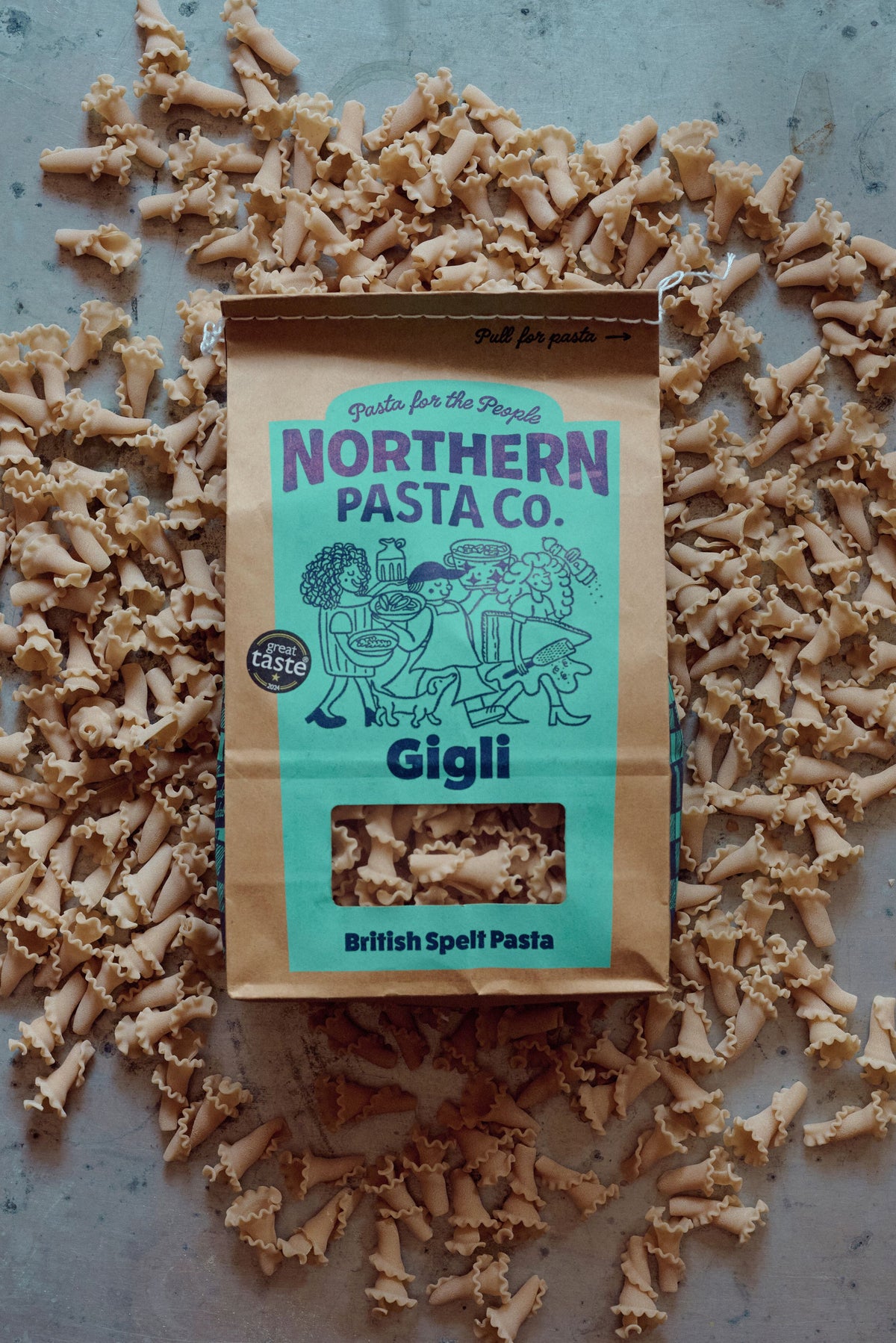
Gigli pasta, also known as campanelle, is a type of Italian pasta shaped like a bell or a flower with ruffled edges. Its unique form makes it perfect for capturing rich sauces, cheesy bakes, and vegetable medleys. But what happens when you have leftovers? Reheating gigli pasta can be tricky—its shape and texture require some care to keep it from becoming mushy or dry. In this guide, you’ll discover the best methods to reheat gigli pasta, how to keep it delicious, and common mistakes to avoid. Whether you’re dealing with a simple olive oil toss or a creamy cheese sauce, you’ll find everything you need to bring your pasta back to life.
What Makes Gigli Pasta Different?
Before diving into reheating methods, it helps to understand what makes gigli pasta special. The ruffled shape holds onto sauce, but it can also trap extra moisture. This means that gigli can quickly go from perfectly al dente to soggy if reheated poorly. The thickness varies—edges are thinner, while the middle is denser—making even heat distribution important.
Many cooks don’t realize that gigli’s shape affects how it should be reheated. For instance, reheating in a microwave without stirring can cause the edges to dry out and the centers to remain cold. Understanding these details will help you avoid common pitfalls and enjoy your leftovers as much as the original meal.
Preparing Leftover Gigli Pasta For Reheating
Proper storage is the first step to successful reheating. If you know you’ll have leftovers, follow these simple steps:
- Cool quickly: Let the pasta cool at room temperature for no more than 1 hour, then transfer to the refrigerator.
- Use airtight containers: Store gigli pasta in a container with a tight-fitting lid. If your pasta has sauce, store it with the sauce to keep the pasta moist.
- Add a splash of water or oil: Before sealing the container, sprinkle a teaspoon of water or drizzle a few drops of olive oil over the pasta. This prevents sticking and drying out.
Gigli pasta keeps well in the fridge for up to 3 days. For longer storage, freezing works, but can sometimes change the texture. If you freeze, thaw overnight in the fridge before reheating.
Best Methods To Reheat Gigli Pasta
Not all reheating methods are created equal. Here are the top ways to reheat gigli pasta, with tips for both plain and sauced varieties.
1. Stovetop (best For Most Gigli Dishes)
The stovetop method gives you the most control and works well for almost every type of gigli pasta.
Steps:
- Place the gigli pasta in a nonstick skillet or saucepan.
- Add a splash of water, broth, or extra sauce (about 2 tablespoons per cup of pasta).
- Heat over medium-low, stirring gently and often.
- Cover with a lid for even heating, but remove occasionally to stir.
- Heat until warmed through—usually 5-7 minutes.
Why this works: The gentle heat prevents overcooking, and the steam keeps the pasta moist. This method is especially good for creamy or tomato-based sauces.
Pro tip: If the pasta seems dry, add a bit more liquid. If you notice sticking, lower the heat.
2. Microwave (quickest Method)
The microwave is convenient, but it can dry out gigli pasta if you’re not careful.
Steps:
- Place pasta in a microwave-safe bowl.
- Add a splash of water or sauce and cover loosely with a microwave-safe lid or plate.
- Heat on medium power for 1 minute, then stir gently.
- Continue in 30-second bursts, stirring each time, until hot.
Microwave reheating data comparison:
| Power Level | Time (per cup) | Texture Outcome |
|---|---|---|
| High | 1-2 min | Often dry or rubbery |
| Medium | 2-3 min | Moist, better texture |
| Low | 4-5 min | Even but slow |
Pro tip: Always stir halfway through. This distributes heat and moisture, preventing cold spots and overcooked edges.
3. Oven (best For Baked Or Cheesy Gigli)
If you made a baked gigli dish or pasta casserole, the oven is your best bet.
Steps:
- Preheat your oven to 350°F (175°C).
- Place the pasta in an oven-safe dish. If dry, add a bit of sauce or milk.
- Cover with foil to trap moisture.
- Bake for 15-20 minutes, checking at the halfway point.
- Remove foil for the last few minutes to restore crispness, if desired.
Oven vs. Stovetop for Cheesy Pasta:
| Method | Cheese Melt Quality | Moisture Retention |
|---|---|---|
| Oven | Even, golden | Good (with foil) |
| Stovetop | Quick melt, less browning | Excellent |
Pro tip: For a crunchy top, uncover for the last 2-3 minutes.
4. Steaming (for Large Batches Or Delicate Sauces)
Steaming is gentle and effective for reheating without breaking apart the pasta.
Steps:
- Set up a steamer basket over simmering water.
- Place the pasta in the basket (use parchment if saucy).
- Cover and steam for 3-5 minutes, stirring once.
Why choose steaming? This method is less common but works well for delicate, oil-based sauces or when reheating a large amount at once.
5. Boiling Water Dip (for Plain Pasta Only)
If you have plain gigli pasta (no sauce), a quick dip in boiling water revives it beautifully.
Steps:
- Bring a pot of water to a boil.
- Place the pasta in a colander.
- Dip the colander into the water for 30-45 seconds.
- Drain and toss with sauce or oil.
Warning: Never use this method for pasta already mixed with sauce. The sauce will wash away.
How Reheating Affects Gigli Pasta Texture
Many people notice that reheated pasta can feel different—sometimes softer, stickier, or even a little rubbery. This happens because the pasta absorbs more moisture as it cools, and reheating can cause further softening. Gigli’s ruffled edges are especially prone to becoming mushy if overheated.
Two insights beginners often miss:
- Stirring is essential—especially with gigli, which tangles and traps sauce.
- Adding moisture back (water, broth, or extra sauce) is key to preventing dryness.
If you want to keep the pasta as close as possible to its original texture, always reheat gently and avoid high heat.

Tips For Reheating Gigli Pasta With Different Sauces
The best reheating method can depend on the type of sauce:
- Tomato-based sauces: Add a splash of tomato juice, water, or more sauce before reheating. Both stovetop and oven work well.
- Creamy sauces (alfredo, cheese): Use the stovetop and add a bit of milk or cream to loosen the sauce. Stir often.
- Pesto or oil-based sauces: Reheat gently on low heat. Add a little olive oil to refresh the flavors.
- Vegetable or chunky sauces: Stir well to distribute pieces evenly. Oven works well if baked, otherwise use stovetop.
Sauce type and reheating success:
| Sauce Type | Best Method | Common Problem |
|---|---|---|
| Tomato | Stovetop/Oven | Drying out |
| Creamy | Stovetop | Clumping |
| Oil-based | Stovetop/Steaming | Separation |
| Vegetable | Oven/Stovetop | Uneven heating |
Mistakes To Avoid When Reheating Gigli Pasta
Many people fall into these common traps:
- Using high heat: This quickly ruins texture and can make gigli pasta rubbery or mushy.
- Skipping the extra liquid: Without added moisture, pasta dries out, especially in the microwave or oven.
- Overcrowding the pan: Heat can’t reach all the pieces evenly, leading to cold spots and clumps.
- Not covering: A lid or foil helps trap steam, which keeps pasta moist.
- Microwaving without stirring: This is the fastest way to get unevenly heated, dry pasta.
- Reheating too many times: Pasta degrades with each cycle. Only reheat what you plan to eat.
The best results come from patience and using the right technique for your dish.
Creative Ways To Use Leftover Gigli Pasta
Sometimes, reheating isn’t the only option. Leftover gigli can be transformed into new meals:
- Pasta frittata: Mix gigli with eggs, cheese, and herbs. Cook in a skillet for a hearty brunch.
- Pasta salad: Rinse cold, toss with vinaigrette, vegetables, and protein for a refreshing dish.
- Soup: Add gigli to vegetable or chicken soup in the last few minutes of simmering.
- Pasta bake: Layer leftovers with extra sauce and cheese, bake until bubbly.
These ideas prevent waste and make leftovers exciting.
Safety Tips For Reheating Pasta
Food safety is just as important as flavor and texture. Keep these key points in mind:
- Reheat to at least 165°F (74°C): This ensures harmful bacteria are killed.
- Don’t leave pasta at room temperature: After cooking, refrigerate within 2 hours.
- Eat within 3 days: Leftover pasta can spoil quickly, especially with dairy or meat sauces.
- Never reheat more than once: Each cycle increases the risk of foodborne illness.
For more on food safety, the U.S. Department of Agriculture offers guidelines on leftover handling.
Frequently Asked Questions
How Do I Stop Gigli Pasta From Sticking Together When Reheating?
Add a small amount of water, broth, or oil before reheating. Stir gently and often, especially with the stovetop or microwave methods. If your pasta is already very sticky, break apart any clumps with a fork before heating.
Can I Reheat Gigli Pasta With Seafood?
Yes, but do it gently. Seafood can overcook quickly. The stovetop is best, using low heat and adding extra moisture. Only reheat once, as seafood spoils faster than other proteins.
Is It Safe To Eat Gigli Pasta Left Out Overnight?
No, pasta left out for more than 2 hours at room temperature should be discarded. Bacteria can grow quickly, even if it looks and smells fine.
What’s The Best Way To Reheat Gigli Pasta For A Crowd?
Use the oven for large batches, covered with foil to keep moisture in. Stir halfway through to distribute heat evenly. Steaming is another good option for sauceless pasta.
Why Does My Reheated Gigli Pasta Taste Different?
The texture changes as pasta absorbs moisture and starches break down. This can make the pasta softer or stickier. Adding a little extra sauce, oil, or seasoning when reheating helps restore flavor and texture.
Reheating gigli pasta the right way brings back its delightful texture and bold flavors. With a little care and the right technique, your leftovers can be just as satisfying as the first meal. Whether you prefer the stovetop, oven, or a quick microwave fix, these tips will help you enjoy every bite of your gigli pasta again.

