

Mac and cheese is a classic comfort food loved by many. Most people use elbow macaroni, but sometimes you find unusual pasta shapes at the store—like Gigli pasta. If you have Gigli pasta in your pantry, you might wonder: Can you use Gigli pasta in mac and cheese? Let’s explore this question fully and see how Gigli pasta works in mac and cheese, what changes to expect, and tips for the best results.
What Is Gigli Pasta?
Gigli pasta, also known as campanelle, comes from Italy. The name “Gigli” means lily in Italian, which matches its flower-like shape. Each piece looks like a small bell or cone with ruffled edges.
Gigli pasta is made from durum wheat, like most Italian pasta. The shape is designed to hold sauce well, making it popular for creamy or chunky sauces. Its ruffled edges also provide a unique texture.
Gigli isn’t as common as elbow macaroni in the US, but it’s gaining popularity for its attractive look and ability to trap sauce. You can find it in specialty stores or online.
Mac And Cheese: The Basics
Traditional mac and cheese uses elbow macaroni. This pasta’s small, curved shape cooks evenly and holds cheese sauce well. The classic recipe combines pasta, a creamy cheese sauce, and sometimes extras like breadcrumbs or bacon.
The main goal with mac and cheese is to get a creamy, rich sauce that covers every piece of pasta. The pasta should be soft but not mushy, and the sauce should stick well.
The classic ratio is:
- 8 ounces pasta
- 2 cups cheese
- 2 cups milk
These ratios can change depending on the recipe or desired thickness.
Pasta Shape Matters
You might think all pasta shapes are the same, but that’s not true. The shape affects:
- Sauce coverage
- Texture
- Cooking time
- Overall mouthfeel
Some shapes trap sauce better, while others let it slide off. For mac and cheese, you want a pasta that holds sauce and stays tender. Here’s a quick comparison between elbow macaroni and Gigli pasta:
| Pasta Shape | Sauce Holding | Texture | Cooking Time |
|---|---|---|---|
| Elbow Macaroni | Good | Soft, uniform | 7-8 min |
| Gigli | Excellent | Ruffled, chewy | 9-11 min |
Gigli’s ruffled shape can hold even more sauce than elbows, but it also brings a different texture.
Can You Use Gigli Pasta In Mac And Cheese?
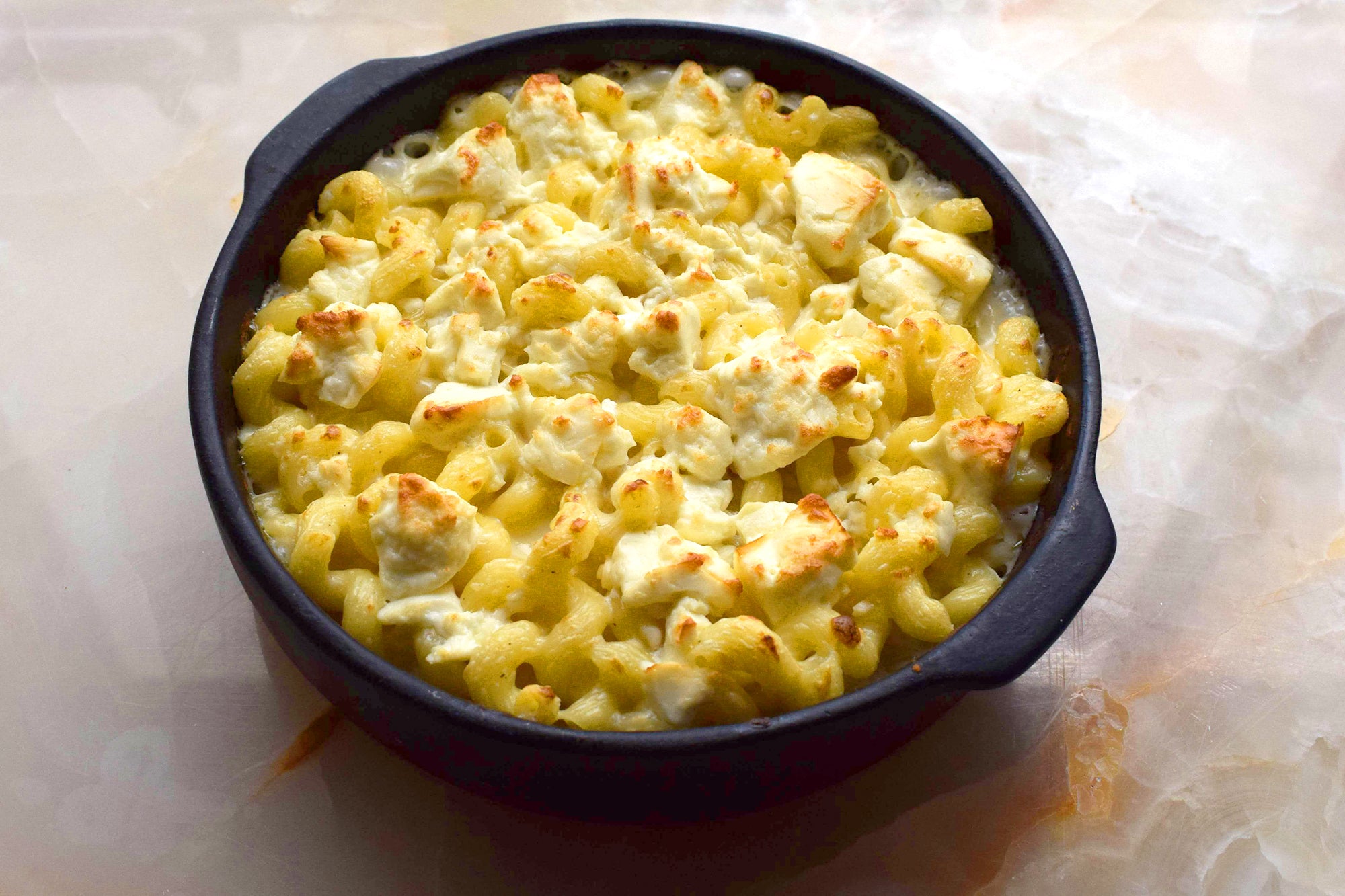
Yes, you can use Gigli pasta in mac and cheese. The shape works well for creamy sauces and can make your dish look more interesting. Gigli pasta traps cheese sauce in its folds, giving you bites that are rich and flavorful.
However, there are differences to consider:
- Cooking time: Gigli is thicker and larger, so it may need extra time to cook.
- Texture: The ruffled edges are chewy and more noticeable. Some people love this, while others prefer classic smooth macaroni.
- Sauce ratio: Gigli holds more sauce, so you might need a bit more cheese or milk.
Many home cooks and chefs use Gigli pasta in mac and cheese for variety. It works especially well if you want a fancier look or a more textured dish.
How To Make Mac And Cheese With Gigli Pasta
Let’s break down the process. Here’s a simple recipe using Gigli pasta:
Ingredients
- 8 ounces Gigli pasta
- 2 cups shredded sharp cheddar cheese
- 2 cups whole milk
- 2 tablespoons unsalted butter
- 2 tablespoons flour
- 1/2 teaspoon salt
- 1/4 teaspoon black pepper
- 1/4 teaspoon mustard powder (optional)
- 1/2 cup grated Parmesan (optional for richer flavor)
Cooking Instructions
- Boil pasta: Bring a large pot of salted water to a boil. Add Gigli pasta and cook for 9–11 minutes until al dente. Drain and set aside.
- Make roux: In a saucepan, melt butter over medium heat. Add flour and whisk for 1–2 minutes until smooth and bubbling.
- Add milk: Slowly pour in milk while whisking. Cook for 3–4 minutes until thickened.
- Add cheese: Stir in cheddar (and Parmesan if using), salt, pepper, and mustard powder. Mix until the cheese is melted and sauce is smooth.
- Combine: Add drained Gigli pasta to the sauce. Stir gently to coat every piece.
- Serve: Spoon into bowls and enjoy while hot.
Practical Tips
- Don’t overcook: Gigli can get mushy if boiled too long. Check for doneness early.
- Increase sauce: Because Gigli holds more sauce, you may want to add an extra 1/4 cup milk and 1/4 cup cheese for a creamier dish.
- Mix cheeses: Try adding Gruyère, mozzarella, or Gouda for extra flavor.
- Baked version: For a crispy top, pour mac and cheese into a baking dish, sprinkle breadcrumbs and bake at 375°F for 15 minutes.
Gigli Pasta Vs. Other Pasta Types In Mac And Cheese
Different pasta shapes change the mac and cheese experience. Here’s a comparison of Gigli, elbows, and two other common types:
| Pasta Type | Shape | Sauce Holding | Texture | Visual Appeal |
|---|---|---|---|---|
| Gigli | Bell, ruffled | Excellent | Chewy, varied | High |
| Elbow Macaroni | Curved tube | Good | Uniform | Medium |
| Penne | Tube, angled | Moderate | Firm | Medium |
| Shells | Hollow shell | Very good | Soft | Medium |
Gigli stands out for sauce holding and visual appeal. If you want mac and cheese that looks special and tastes rich, Gigli is a good choice.

Common Mistakes When Using Gigli Pasta
Switching to Gigli pasta can make mac and cheese better, but there are pitfalls:
- Overcooking: Gigli is thicker. Cooking it too long can make it mushy.
- Not enough sauce: Gigli’s shape traps more sauce, so standard amounts may leave some pasta dry.
- Skipping salt in water: Gigli needs well-seasoned water for flavor.
- Using only mild cheese: Gigli pairs well with bold flavors. Mild cheese can get lost.
- Not stirring enough: Gigli can stick together if not stirred while cooking.
To avoid these mistakes, check pasta early, increase sauce, and use sharp cheeses.
Non-obvious Insights For Gigli Mac And Cheese
Many cooks miss these points when using Gigli in mac and cheese:
- Layered flavor: Because Gigli’s folds trap sauce, adding spices or herbs to the cheese sauce (like nutmeg or paprika) gives pockets of extra flavor.
- Texture balance: Mixing Gigli with another pasta shape (like elbows or shells) adds contrast. Some bites are chewy, others soft—making the dish more interesting.
- Presentation: Gigli pasta makes mac and cheese look gourmet. If you’re serving guests, this shape impresses more than elbows.
Nutritional Differences
Gigli pasta is made from durum wheat, like most pasta. There’s little difference in calories or nutrients unless you buy whole wheat or gluten-free Gigli. Here’s a quick data comparison:
| Pasta Type | Calories (per 2 oz) | Protein (g) | Fiber (g) | Fat (g) |
|---|---|---|---|---|
| Gigli | 200 | 7 | 2 | 1 |
| Elbow Macaroni | 210 | 7 | 2 | 1 |
| Whole Wheat Gigli | 180 | 7 | 4 | 1 |
The numbers are nearly the same. If you want more fiber, choose whole wheat Gigli.
Serving Suggestions
Mac and cheese made with Gigli pasta pairs well with many sides. Here are ideas:
- Green salad: Adds freshness and cuts the richness.
- Roasted vegetables: Broccoli, carrots, or Brussels sprouts work well.
- Grilled chicken or sausage: For extra protein.
- Garlic bread: Good for dipping into the cheesy sauce.
Gigli mac and cheese also makes a great potluck dish. Its shape keeps the sauce from drying out, even after reheating.
Where To Buy Gigli Pasta
Gigli pasta is not as common as elbows, but you can find it in:
- Italian specialty stores
- Online retailers like Amazon or Walmart
- Some grocery stores in the gourmet pasta section
It’s usually sold in 1-pound boxes. If you want organic or whole wheat versions, check online shops.
For more details on pasta shapes and history, see Wikipedia.
Frequently Asked Questions
Is Gigli Pasta Gluten-free?
Most Gigli pasta is made from wheat, so it’s not gluten-free. However, some brands offer gluten-free Gigli made from rice or corn flour. Check the package label if you need gluten-free pasta.
Does Gigli Pasta Take Longer To Cook?
Yes, Gigli pasta is thicker and larger than elbow macaroni. It usually needs 9–11 minutes to cook, while elbows take about 7–8 minutes. Always check the package instructions and taste for doneness.
Can I Use Gigli Pasta In Baked Mac And Cheese?
Absolutely! Gigli holds up well when baked. Its ruffled edges become slightly crispy, adding a nice texture. Just be sure to use enough sauce so the pasta doesn’t dry out during baking.
What Cheeses Work Best With Gigli Pasta?
Sharp cheddar is the classic choice, but Gigli pairs well with bold cheeses like Gruyère, Gouda, or fontina. Mixing cheeses adds depth and makes the sauce richer, which suits Gigli’s sturdy shape.
Will Kids Like Gigli Mac And Cheese?
Yes, most kids enjoy Gigli pasta’s fun shape and chewy texture. It looks different from classic mac and cheese, but the taste is similar. Some picky eaters may need time to adjust, but many like the novelty.
Final Thoughts
You can confidently use Gigli pasta in mac and cheese. Its ruffled, bell-like shape traps more cheese sauce, creates a richer texture, and makes your dish look special. Just adjust your cooking time and sauce ratio for the best results. Avoid common mistakes like under-saucing or overcooking, and experiment with cheese blends for extra flavor.
Whether you’re making a quick weeknight meal or serving guests, Gigli pasta brings a new twist to classic mac and cheese. Try it next time you want to surprise your taste buds or impress at a potluck.

