

Why Is Gigli Pasta Called Gigli?
Pasta shapes are more than just fun to eat. Each one has its own story, and sometimes, its own mystery. Gigli pasta is one of those shapes that makes people curious. If you’ve ever seen gigli, you know it stands out. It looks like a delicate flower, almost like a lily, with ruffled edges and a cone-like form. But why is it called “gigli”? Where did this name come from? What is the history behind this beautiful pasta? Let’s explore the origins, meaning, and cultural significance of gigli pasta—and discover how its name connects to Italian tradition, language, and even art.
The Meaning Behind The Name “gigli”
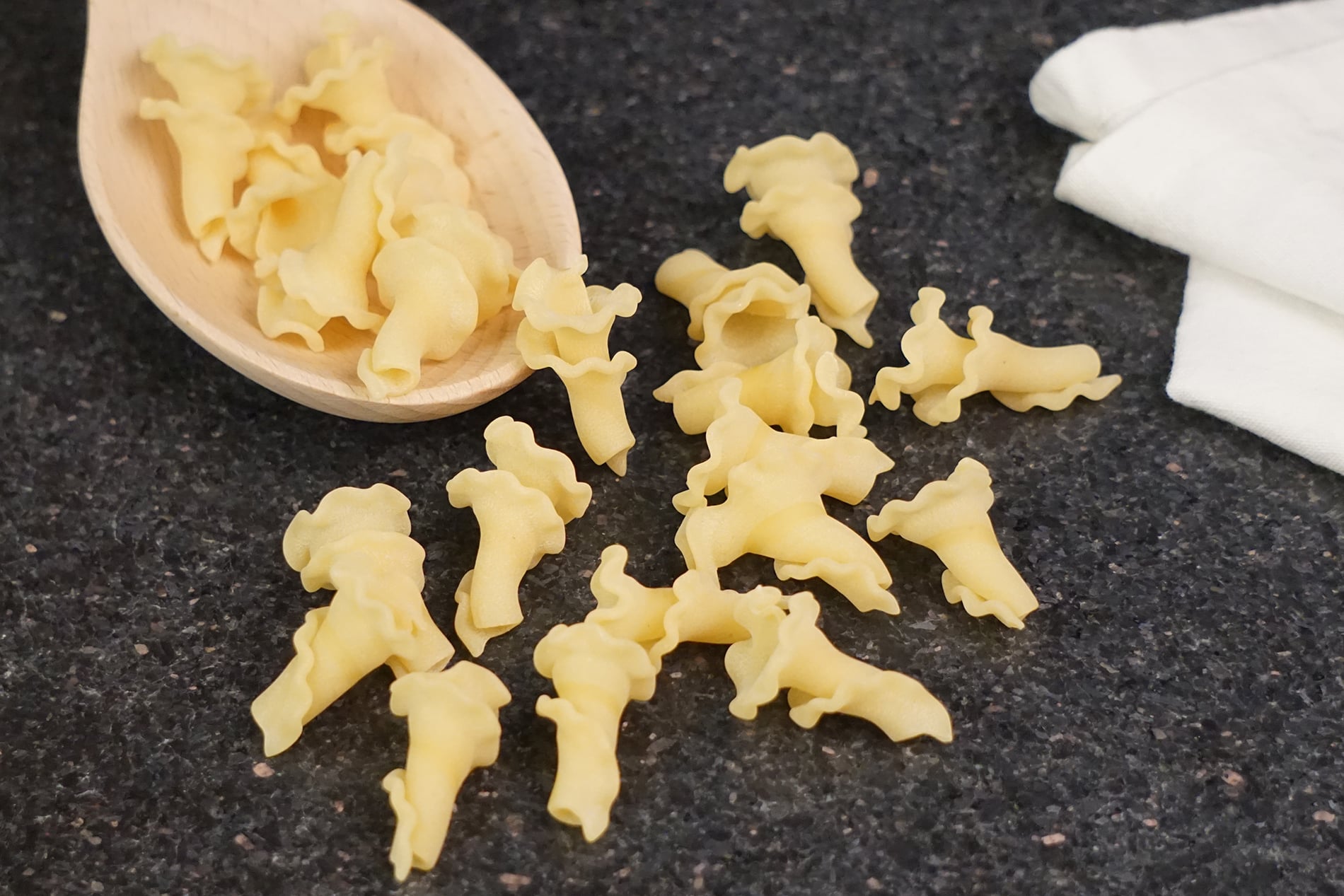
The word “gigli” is Italian and directly translates to “lilies” in English. This isn’t just a random choice. The pasta’s shape actually resembles a lily flower—with a flared base, ruffled petals, and a trumpet-like tip. Italians often name pasta shapes after objects they resemble, and gigli is no exception.
In Italian culture, the lily is a symbol of beauty, purity, and sometimes nobility. It’s also a symbol seen in the city of Florence, where the fleur-de-lis (a stylized lily) is everywhere—from city flags to ancient architecture. The connection between the pasta and the flower is both visual and symbolic.
Gigli Pasta: Shape And Characteristics
Gigli pasta is easy to spot because of its unique shape. Here’s what makes it special:
- Cone-shaped base: The pasta starts with a pointed cone, like the center of a flower.
- Ruffled edges: The petals flare out, with ripples that catch sauce.
- Small size: Each piece is about the size of a thumb tip.
- Hollow center: Like a lily, gigli has a hollow middle.
This shape is not just pretty—it’s practical. The ruffles and hollow center hold sauce well, making gigli ideal for thick, creamy, or chunky sauces.
Gigli Vs Other Flower-shaped Pastas
Let’s compare gigli to other flower-inspired pasta shapes:
| Pasta Shape | Visual Similarity | Main Use |
|---|---|---|
| Gigli | Lily flower | Rich sauces, baked dishes |
| Fiori | Daisy flower | Light sauces, soups |
| Campanelle | Bellflower | Meaty sauces, casseroles |
Gigli is sometimes confused with campanelle, which means “little bell” in Italian. Both are similar, but gigli is more pointed and looks more like a lily, while campanelle is rounder and bell-shaped.
Historical Origins Of Gigli Pasta
Gigli pasta’s roots are in Tuscany, especially around Florence. The lily has been a symbol of Florence for centuries. The city’s coat of arms features a red fleur-de-lis, and the flower appears in art, sculpture, and even architecture. Many historians believe gigli pasta was inspired by this local pride.
The first mention of gigli pasta dates back to the late 1800s, though the exact inventor is unknown. It was originally made by hand, using small pieces of dough pressed into a cone and pinched to create the ruffles. As pasta machines became more advanced, gigli was easier to produce in large quantities.
Traditional Uses In Tuscany
In Tuscany, gigli pasta is often served with hearty sauces. Examples include:
- Wild boar ragu: A rich, meaty sauce that clings to the ruffles.
- Creamy mushroom sauce: The hollow center holds thick cream and mushrooms.
- Vegetable stews: Gigli is baked with vegetables and cheese.
This pasta was seen as a festive food, often made for special occasions. Its flower shape made it popular for spring festivals and family gatherings.
How Gigli Pasta Is Made
Making gigli pasta is both an art and a science. Traditionally, it was shaped by hand, but today, most gigli is made by machines. Here’s how the process works:
- Dough preparation: Semolina flour and water are mixed to form a stiff dough.
- Shaping: The dough is extruded through special bronze dies. The dies create the cone and ruffled petals.
- Drying: Gigli is dried slowly to preserve its shape and texture.
Bronze dies give the pasta a rough surface, which helps sauce stick. High-quality gigli is still made this way, especially by small pasta makers in Italy.
Hand-made Vs Machine-made Gigli
| Type | Texture | Flavor | Cost |
|---|---|---|---|
| Hand-made | Rough, irregular | Richer, more rustic | Higher |
| Machine-made | Smooth, consistent | Mild, uniform | Lower |
Most pasta sold in stores is machine-made gigli. If you ever visit Tuscany, you might find hand-made gigli in local markets—these are prized for their flavor and texture.
The Symbolism Of Lilies In Italian Culture
The lily is more than just a flower in Italy. It represents purity, renewal, and Florentine identity. The fleur-de-lis symbol is used in church decorations, city emblems, and even jewelry. Gigli pasta borrows this symbolism, making each meal a celebration of tradition.
Lily In Art And Architecture
Florence’s famous Duomo (cathedral) has lily motifs carved into its walls. The lily also appears in Renaissance paintings, often held by angels or used in religious scenes. For Italians, the lily is a sign of elegance and grace.
Lily As A Culinary Motif
Many Italian foods use shapes inspired by nature. Gigli is just one example. Others include:
- Orechiette (“little ears”)
- Farfalle (“butterflies”)
- Conchiglie (“shells”)
This tradition connects food to daily life and nature, making meals more meaningful.
Gigli Pasta In Modern Cuisine
Today, gigli pasta is popular around the world. Chefs use it in creative ways, thanks to its beautiful shape and sauce-catching ability. Some modern uses include:
- Baked gigli with cheese: Like a flower-shaped mac and cheese.
- Gigli pasta salads: The ruffles hold vinaigrette and chopped vegetables.
- Gigli with pesto: The hollow center is perfect for thick, oily sauces.
Gigli is also used in restaurants to add visual appeal. Its flower shape makes dishes look elegant and sophisticated.
Gigli’s Popularity Outside Italy
Gigli is now produced in the US, Canada, and other countries. It’s sometimes called campanelle in English-speaking markets, but the true Italian gigli is more pointed and less rounded. Many pasta brands offer gigli, especially in gourmet or organic lines.
Here is a comparison of gigli pasta brands:
| Brand | Country | Type | Average Price (per lb) |
|---|---|---|---|
| Barilla | Italy/US | Machine-made | $2.50 |
| Garofalo | Italy | Bronze-cut | $4.20 |
| Rustichella d’Abruzzo | Italy | Artisan hand-made | $7.00 |
Choosing gigli from a reputable brand ensures the pasta has the right texture and shape. Artisan gigli is more expensive but delivers a richer taste.
Common Misunderstandings About Gigli Pasta
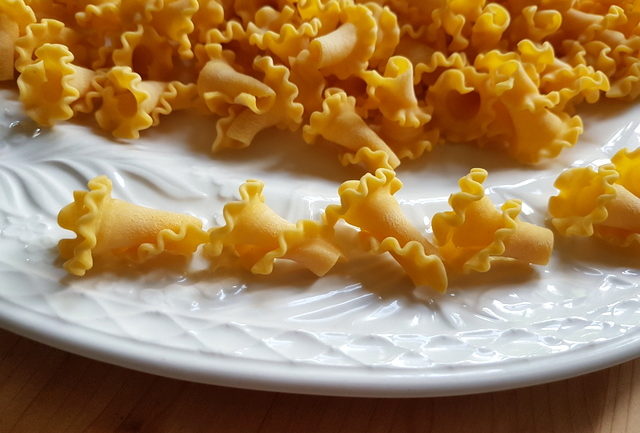
Many beginners confuse gigli with campanelle or fiori. But gigli’s pointed tip and ruffled petals are unique. Another mistake is thinking gigli is only for fancy dishes. In reality, gigli can be used in simple recipes—its shape works well in everyday meals.
Some people believe gigli pasta is always made with eggs, but the traditional version uses only semolina flour and water. Egg-based gigli exists, but it’s less common.
A subtle insight: Gigli pasta is sometimes colored with spinach or tomato for visual effect. But this is mostly for decoration; traditional gigli is pale yellow.
How To Cook And Serve Gigli Pasta
Cooking gigli pasta is straightforward, but there are a few tips to keep in mind:
- Use plenty of water: Gigli needs space to move, so use a large pot.
- Stir gently: The ruffled edges can stick together if crowded.
- Check for doneness: Gigli is best when “al dente,” firm but not hard.
- Pair with thick sauces: The shape holds chunky or creamy sauces.
A typical serving is 2 ounces (56 grams) per person. Cooking time is usually 10–12 minutes, depending on brand and thickness.
Simple Gigli Recipe Example
Here’s a classic Tuscan recipe for gigli pasta:
- 8 oz gigli pasta
- 1 cup wild mushroom mix
- 1/2 cup heavy cream
- 1 tbsp olive oil
- 1/4 cup grated Parmesan cheese
- Salt and pepper to taste
Instructions:
- Boil gigli in salted water for 10–12 minutes.
- Sauté mushrooms in olive oil until golden.
- Add cream, simmer for 3 minutes.
- Drain pasta, toss with mushroom sauce.
- Sprinkle Parmesan and serve.
This recipe highlights gigli’s ability to hold creamy sauces and chunky ingredients.
Gigli Pasta And Italian Identity
Pasta is a symbol of Italian culture, and gigli is a perfect example. Its name, shape, and history connect deeply to Florence and Tuscany. When you serve gigli, you’re sharing more than food—you’re sharing a piece of Italian tradition.
A non-obvious insight: Gigli pasta is sometimes used in Italian weddings, symbolizing new beginnings. The lily shape represents purity and hope, making gigli a thoughtful choice for celebrations.
Frequently Asked Questions
What Does “gigli” Mean In Italian?
Gigli means “lilies” in Italian. The pasta is named after the lily flower, which its shape resembles. The lily is a symbol of beauty and purity in Italian culture.
Is Gigli Pasta The Same As Campanelle?
No. While gigli and campanelle look similar, gigli has a pointed tip and ruffled edges, like a lily. Campanelle is rounder and shaped like a bell. Both hold sauce well, but they are distinct shapes.
Where Is Gigli Pasta Most Popular?
Gigli pasta is especially popular in Tuscany, and in particular, Florence. Its shape honors the city’s symbol, the lily. Today, gigli is enjoyed worldwide and produced by many pasta brands.
Can Gigli Pasta Be Used In Cold Dishes?
Yes. Gigli’s shape works well in pasta salads. The ruffles hold dressing and small vegetables. It’s also good in baked dishes and casseroles.
Are There Colored Versions Of Gigli Pasta?
Some brands make gigli pasta with spinach or tomato for color, but traditional gigli is pale yellow. Colored gigli is mostly for visual appeal and doesn’t change the flavor much.
Gigli pasta is a beautiful example of how food, language, and culture come together. Its name is more than just a label—it’s a story of tradition, nature, and art. Whether you enjoy gigli in a classic Tuscan dish or a modern recipe, you’re taking part in a centuries-old Italian celebration. For more on pasta history and Italian food culture, visit Wikipedia.


