

Making pasta at home feels like a small celebration. The process is hands-on, the results are rewarding, and the flavors can be surprisingly fresh. One pasta shape that stands out for its beauty and uniqueness is gigli pasta. Also called “campanelle,” gigli means “lily” in Italian, and the pasta mimics the shape of a flower. If you’ve ever wondered whether you can make homemade gigli pasta, you’re not alone. Many pasta lovers think this shape is only possible with machines or factory molds. But with the right approach and a bit of patience, you can craft gigli pasta in your own kitchen. Here’s how to do it, why it’s worth your time, and what you need to know to get it right.
What Is Gigli Pasta?
Gigli pasta is an Italian shape that looks like a small bell or flower. Its edges are fluted, and the center is gently curled, which helps trap sauces. You might see it sold as “campanelle,” meaning “little bells.” This shape is popular for creamy or chunky sauces because the folds and curves catch bits of cheese, vegetables, or meat.
Gigli is made from either semolina flour or all-purpose flour. It’s mostly used in Tuscan cuisine, but you’ll find it in recipes across Italy. Unlike spaghetti or penne, gigli’s shape is more complex, so it’s less common in supermarkets.
Why Make Homemade Gigli Pasta?
There’s something special about homemade pasta. The texture is more tender, and you have control over ingredients. Making gigli at home lets you:
- Customize the dough (egg or eggless, whole wheat, gluten-free)
- Enjoy fresher taste and texture
- Impress guests with a unique shape
- Learn a traditional Italian technique
Store-bought gigli is often made with machines, so the shape is perfect but lacks the rustic charm of homemade pasta. When you make it yourself, each piece looks a little different—a sign of true craftsmanship.
What You Need To Make Gigli Pasta
Making gigli pasta at home does not require expensive tools. You’ll need:
- Flour: Traditional gigli uses semolina, but all-purpose works well.
- Eggs: For richness and structure.
- Rolling pin: To flatten the dough.
- Knife or pastry cutter: To cut dough into squares.
- Finger or dowel: To shape the flower.
Optional:
- Pasta machine: For easier rolling.
- Fluted pastry wheel: For decorative edges.
If you don’t have a pasta machine, don’t worry. Gigli is shaped by hand, so a rolling pin is enough.
Homemade Gigli Pasta Recipe
Let’s break down the process step by step. This recipe makes about 4 servings and takes approximately 1 hour.
Ingredients
- 2 cups semolina flour (or all-purpose flour)
- 3 large eggs
- ½ teaspoon salt
- 1 tablespoon olive oil (optional for tenderness)
- Extra flour for dusting
Step-by-step Instructions
- Mix the Dough
- Place flour on a clean surface. Make a well in the center.
- Crack eggs into the well. Add salt and olive oil.
- Use a fork to gently mix eggs, gradually bringing in flour.
- Knead the dough for 8–10 minutes until smooth and elastic.
- Wrap in plastic and let rest for 30 minutes.
- Roll Out the Dough
- Dust your surface with flour.
- Roll dough into a thin sheet (about 1/16 inch).
- If using a pasta machine, roll to setting 5 or 6.
- Cut and Shape Gigli
- Cut dough into squares about 2 inches each.
- Use a fluted pastry wheel for wavy edges (optional).
- Place your finger (or dowel) in the center of each square.
- Wrap corners around your finger to form a flower shape.
- Pinch the base to keep it tight.
- Dry the Pasta
- Place shaped gigli on a floured tray.
- Let dry for 20–30 minutes before cooking.
- Cook the Pasta
- Bring a large pot of salted water to a boil.
- Add gigli and cook for 3–4 minutes (fresh pasta cooks faster).
- Drain and toss with your favorite sauce.
Practical Tips
- If dough feels sticky, add more flour.
- If dough cracks, it’s too dry—add a teaspoon of water.
- Shape gigli quickly, as dough dries fast.
- Use a small dowel or pencil for shaping if your fingers are too large.
Common Mistakes
- Rolling dough too thick: Gigli should be delicate but strong.
- Skipping the resting step: Resting helps gluten relax for easier shaping.
- Overcooking: Fresh gigli can become mushy if boiled too long.
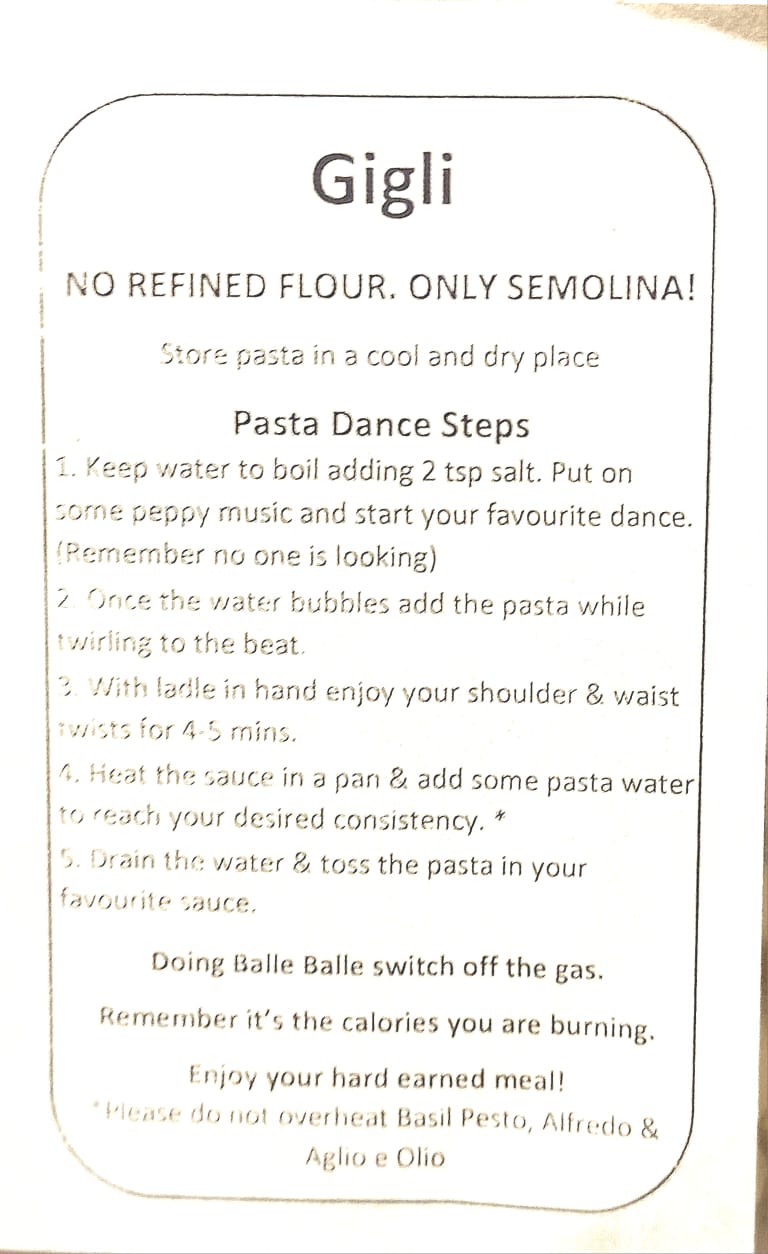
How Gigli Pasta Compares To Other Shapes
Gigli’s unique flower shape is its main appeal, but how does it stack up against common pasta types? Here’s a quick comparison:
| Pasta Shape | Texture | Best Sauces | Difficulty |
|---|---|---|---|
| Gigli | Soft, folds hold sauce | Creamy, chunky | Medium |
| Penne | Firm, tubular | Tomato, meat | Easy |
| Farfalle | Chewy, bow-tie | Pesto, vegetables | Medium |
| Spaghetti | Long, smooth | Light, oil-based | Easy |
Gigli is a good choice when you want something special or need a pasta that holds sauce well.
Choosing The Right Flour For Gigli Pasta
The flour you use affects the taste and texture of gigli pasta. Here’s a look at common options:
| Flour Type | Texture | Flavor | Availability |
|---|---|---|---|
| Semolina | Firm, slightly gritty | Nutty, traditional | Widely available |
| All-Purpose | Softer, smoother | Mild | Very common |
| Whole Wheat | Dense, hearty | Earthy | Less common |
| Gluten-Free | Varies (can be crumbly) | Mild or bland | Specialty stores |
Semolina flour is the classic choice, but all-purpose flour works if you’re just starting. Whole wheat is good for added nutrition, but it can be harder to shape.
Sauce Pairings For Gigli Pasta
Gigli pasta’s shape is ideal for thick or chunky sauces. Here are some great pairings:
- Creamy mushroom sauce: The folds trap creamy mushrooms.
- Ragu: Meat sauce sticks inside the bell shape.
- Pesto: The flower edges hold the herbs and oil.
- Vegetable primavera: Bits of vegetables fit inside the pasta.
- Cheese sauce: Every bite is cheesy.
A non-obvious tip: Avoid watery sauces with gigli. The pasta’s folds can become soggy if the sauce is too thin. For best results, use sauces with some texture.
Practical Advice For Beginners
If you’re new to homemade pasta, gigli can seem intimidating. Here are ways to make it easier:
- Start with a small batch to practice shaping.
- Use a pasta machine for rolling if you have one.
- Try shaping gigli with children or friends—it’s a fun group activity.
- Don’t aim for perfect shapes. Rustic gigli is beautiful.
Another insight: If you want to freeze gigli, dry the pasta completely first. Store in an airtight container for up to 2 months. Fresh gigli should be cooked within 24 hours.

Homemade Vs. Store-bought Gigli: Which Is Better?
Let’s compare homemade and store-bought gigli pasta side by side:
| Aspect | Homemade Gigli | Store-Bought Gigli |
|---|---|---|
| Texture | Tender, customizable | Uniform, firmer |
| Flavor | Fresh, rich | Standard, mild |
| Shape | Rustic, varied | Perfect, identical |
| Ingredients | Fully controlled | Preset, sometimes additives |
| Effort | High | Low |
Homemade gigli is best for special occasions or when you want to showcase your skills. Store-bought is convenient but lacks the personal touch.
How To Store Homemade Gigli Pasta
Proper storage ensures your gigli stays fresh. Here are practical steps:
- Short-term: Dust gigli with flour, spread out on a tray, cover lightly, and refrigerate. Use within 24 hours.
- Long-term: Dry gigli completely. Store in an airtight container in a cool, dry place. It lasts up to 2 months.
- Frozen: Place dried gigli in freezer bags. Keeps for 2–3 months. Cook directly from frozen (add 1–2 minutes to boiling time).
A common mistake: Storing gigli when still damp. It can stick together or mold. Always dry pasta before storing.

Unique Variations And Flavor Ideas
Classic gigli pasta is made with simple dough, but you can add extra flavors or colors:
- Spinach gigli: Blend spinach into the dough for green color.
- Tomato gigli: Add tomato paste for red pasta.
- Herb gigli: Mix chopped herbs (basil, parsley) into flour.
You can also make mini gigli for soups. Shape smaller squares and follow the same steps.
Finding Inspiration And Learning More
If you want to explore Italian pasta shapes, gigli is just the start. There are over 350 types of pasta in Italy, each with a story and tradition. For a deeper dive into pasta history and regional variations, visit Wikipedia.
Frequently Asked Questions
How Hard Is It To Shape Gigli Pasta By Hand?
Shaping gigli requires some practice, but it’s not difficult. The key is to roll dough thin and work quickly. Pinching the base firmly helps keep the shape. Beginners may need a few tries to get it right, but even imperfect gigli tastes great.
Can I Make Gigli Pasta Without Eggs?
Yes, you can use water instead of eggs. The texture will be firmer and less rich, but it works for vegan or egg-free diets. Add a bit more olive oil for tenderness.
What Is The Best Sauce For Gigli Pasta?
Creamy or chunky sauces work best. Gigli’s folds hold thick sauces like mushroom cream, meat ragu, or cheesy blends. Avoid watery sauces, which can make the pasta limp.
Can I Use Gluten-free Flour For Gigli?
Gluten-free flour can work, but shaping is harder. The dough may crack or break. Try adding a small amount of xanthan gum to improve elasticity, or use a mix of rice and potato flour for better results.
How Long Does Homemade Gigli Pasta Last?
Fresh gigli lasts about 24 hours in the fridge. Dried gigli keeps for up to 2 months in a sealed container. Frozen gigli can last 2–3 months. Always dry pasta well before storing.
Making gigli pasta at home is a rewarding experience. It connects you to Italian tradition, brings creativity into your kitchen, and produces a pasta that’s as beautiful as it is delicious. Even if your first batch isn’t perfect, the process will teach you new skills and give you a meal to remember. With these tips and insights, you can confidently answer: yes, you can make homemade gigli pasta—and it’s worth every minute.

